How to Measure a Child for an Electric Scooter: Step-by-Step Size, Weight & Handlebar Fit Guide
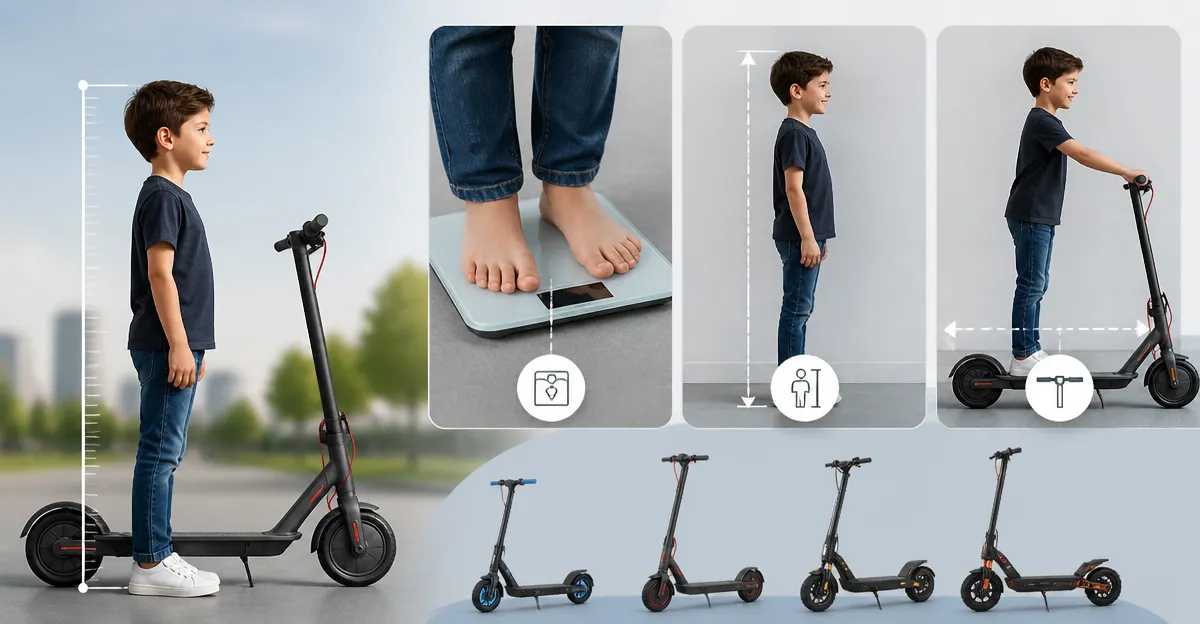
Measuring a child for an electric scooter ensures a safe and enjoyable riding experience that matches the rider’s physical dimensions. This guide explains how to evaluate height, weight, and handlebar fit in a systematic manner. Readers will learn which measurements matter most and how to apply them when selecting a scooter model. The information presented will help parents and caregivers make informed purchasing decisions.
An ill‑fitted scooter can cause discomfort, reduced control, and increased risk of injury during daily commutes or recreational rides. By following a step‑by‑step process, one can avoid common fitting errors that lead to premature wear or warranty claims. The guide also highlights specific products that simplify the measurement and testing phases. Ultimately, the child will benefit from a scooter that feels natural to operate.
What You’ll Need
- Measuring tape or ruler with centimeter and inch markings
- Digital or analog weight scale capable of measuring kilograms or pounds
- Flat, level surface for stability testing
- Protective helmet, knee and elbow pads for safety during test rides
- Recommended electric scooter models for comparison (links provided below)
Step 1: Measure Rider Height and Compare to Deck Length
One should begin by measuring the child’s standing height while wearing shoes that will be used during riding. The measurement is taken from the floor to the top of the head, and the result is recorded in centimeters or inches. Next, compare this height to the deck length of the scooter; a comfortable stance typically requires the rider’s feet to rest flat on the deck with a slight bend in the knees. The VOLPAM Folding Electric Scooter offers a 8.5‑inch solid tire deck that suits riders between 120 cm and 150 cm tall, providing a stable platform for beginners.
The VOLPAM model features a lightweight aluminum frame that folds in three seconds, making it easy to transport and store after measurement. Its price of $139.98 and rating of 4 out of 5 stars from 785 reviews indicate a balance between affordability and quality. The scooter’s dual‑braking system enhances safety while the rider tests the stance on the deck. By selecting a scooter whose deck length aligns with the child’s height, one reduces the likelihood of over‑reaching or cramped foot placement.
Step 2: Verify Weight Capacity Compatibility
After confirming height compatibility, one must ensure that the scooter’s maximum load rating exceeds the child’s weight by at least 20 percent to accommodate future growth and accessories. The child’s weight is measured on a scale, recorded, and then compared to the specifications listed by the manufacturer. The WERHY Folding Electric Scooter supports riders up to 220 lb, making it suitable for older children and teenagers who may outgrow lighter models.
The WERHY scooter provides a 350 W brushless hub motor capable of maintaining 19 mph on moderate inclines, and its battery delivers up to 15 miles per charge, which is ample for school commutes. Priced at $159.99 with a 4 out of 5‑star rating from 789 reviews, it offers a compelling blend of power and durability. Its dual‑braking system, comprising an electronic front brake and rear drum brake, delivers reliable stopping performance for heavier riders. Selecting a scooter with a generous weight capacity prevents premature motor strain and extends the usable lifespan of the vehicle.
Step 3: Assess Handlebar Height and Reach
The next measurement concerns the vertical distance from the deck to the handlebar grip, which determines the rider’s ergonomic posture. One should sit on the scooter with feet flat on the deck, then raise the handlebar until the elbows are slightly bent, typically at a 10‑ to 15‑degree angle. The Hiboy S2 Electric Scooter includes an adjustable handlebar that can be set between 34 cm and 42 cm, accommodating a wide range of child heights.
The Hiboy S2 is equipped with 8.5‑inch solid tires that absorb minor bumps, allowing the rider to maintain a relaxed grip without excessive vibration. Its price of $299.99 and rating of 4.2 out of 5 stars from 2,524 reviews reflect a solid market reputation. The scooter’s LCD display provides real‑time speed and battery information, enabling the child to monitor performance while adjusting the handlebar height. By selecting a model with adjustable handlebars, one ensures that the child can maintain a neutral spine and avoid strain during longer rides.
Step 4: Test Folding Mechanism for Storage Compatibility
Many families require a scooter that can be stored in a car trunk or carried onto public transportation, making the folding mechanism a critical factor. One should unfold the scooter, verify that all bolts are secure, then engage the one‑click folding lever and observe how quickly the frame collapses. The VOLPAM Folding Electric Scooter folds in approximately three seconds and reduces to a compact size that fits comfortably in most vehicle trunks.
Its lightweight construction, weighing roughly 22 lb, allows a child or adult to lift and carry the scooter without assistance. The folding lock includes a simple latch that prevents accidental unfolding during transport. By practicing the folding and unfolding process during measurement, one can confirm that the child is capable of handling the mechanism independently. A reliable folding system reduces the risk of damage and encourages regular use for errands and school trips.
Step 5: Evaluate Safety Features and Braking System
Safety remains paramount, and the braking system should be tested under controlled conditions before final selection. One should accelerate gently to a low speed, then apply the front electronic brake followed by the rear drum brake, noting the stopping distance and stability. The Hiboy S2 Pro Electric Scooter incorporates a disc brake at the front and an eABS regenerative anti‑lock brake at the rear, providing balanced and predictable stopping power.
In addition to brakes, the S2 Pro offers ultra‑bright headlights with a 15‑meter illumination range and a rear reflective taillight, enhancing visibility during early morning or evening rides. Priced at $422.96 with a 4.4 out of 5‑star rating from 5,730 reviews, it represents a premium safety package for older children who ride in mixed traffic. The scooter’s solid 10‑inch tires further improve traction on uneven surfaces, reducing slip risk. Selecting a scooter with comprehensive safety features protects the child and satisfies parental peace of mind.
Step 6: Use the Smart App to Confirm Settings and Speed Limits
Many modern scooters include a Bluetooth‑enabled smartphone application that allows caregivers to configure speed limits and monitor battery health. One should download the dedicated app, pair it with the scooter, and explore the available modes, such as beginner, intermediate, and sport. The VOLPAM Folding Electric Scooter offers an intuitive app that displays speed, remaining range, and enables lock‑out of the throttle for younger riders.
The app also records ride statistics, which can be reviewed to ensure that the child does not exceed the recommended distance or speed. By setting a maximum speed of 7.5 mph for novice users, one can gradually increase the limit as confidence grows. The ability to lock the scooter remotely adds an extra layer of security when the vehicle is left unattended. Leveraging the app’s features simplifies ongoing supervision and promotes responsible riding habits.
Step 7: Conduct a Final Fit Confirmation and Test Ride
After completing all measurements, one should assemble the chosen scooter, adjust the handlebar, and perform a short test ride on a flat, low‑traffic surface. During the ride, observe the child’s posture, foot placement, and ease of steering; any discomfort should prompt a readjustment of handlebar height or foot positioning. The test ride also validates the accuracy of the earlier weight and height assessments, ensuring that the scooter feels neither too light nor too cumbersome.
If the child demonstrates confident control, maintains a relaxed grip, and can stop smoothly using both brakes, the scooter is deemed a proper fit. It is advisable to repeat the test ride after a few days to confirm consistent comfort as the child becomes more familiar with the vehicle. Documenting the measurements and settings creates a reference for future adjustments or resale. A successful fit results in increased riding enjoyment and reduced risk of injury.
Tips & Pro Tips
- Measure height in both centimeters and inches to compare with international product specifications.
- Allow a growth margin of at least 5 cm in deck length and 2 cm in handlebar height to accommodate rapid adolescent growth.
- Use a calibrated weight scale; a variance of 0.5 kg can affect load‑capacity calculations for lighter scooters.
- When testing brakes, perform the maneuver on a dry surface first, then repeat on a slightly wet surface to assess performance under varied conditions.
- Enable the scooter’s lock feature via the app whenever it is parked in public areas to deter theft.
Troubleshooting
If the scooter fails to fold completely, inspect the latch mechanism for debris and ensure that the folding lever is fully engaged; cleaning with a dry cloth often resolves the issue. Should the brakes feel spongy, check the brake fluid level (if applicable) or tighten the drum brake adjustment screw according to the manufacturer’s manual. In the event of a sudden loss of power, verify that the battery charge indicator reflects a full charge and that the charger is connected to a functioning outlet. Persistent performance problems may require contacting the seller’s customer support, referencing the warranty terms provided with the purchase.
Conclusion
Measuring a child for an electric scooter involves a systematic assessment of height, weight, handlebar reach, folding convenience, and safety features. By following the step‑by‑step guide, one can select a scooter that matches the child’s physical dimensions and riding skill level. The recommended models illustrate how specific product attributes align with each measurement criterion, facilitating an informed purchasing decision. Ultimately, a well‑fitted scooter enhances confidence, promotes safe commuting, and encourages a lifelong appreciation for sustainable transportation.
Products Mentioned in This Guide
Frequently Asked Questions
What height range is ideal for a child to ride an electric scooter?
Most electric scooters suit children between 90 cm (3 ft) and 130 cm (4 ft 3 in) tall, allowing the feet to reach the deck comfortably.
How do I determine the correct handlebar height for my child?
Measure from the floor to the child’s waist or armpit; the handlebar should be at or slightly below that point for proper control.
What weight limit should I consider when choosing a scooter for a child?
Select a scooter with a maximum rider weight at least 10‑15 kg (22‑33 lb) above the child’s weight to ensure stability and durability.
Why is a flat, level surface important for fitting a scooter?
Testing on a level surface verifies that the scooter balances correctly and that the child can start, stop, and turn safely without uneven pressure.
Can I use a regular measuring tape instead of a ruler for scooter fitting?
Yes, a flexible measuring tape works fine as long as it shows both centimeters and inches for accurate height and handlebar measurements.