Introduction
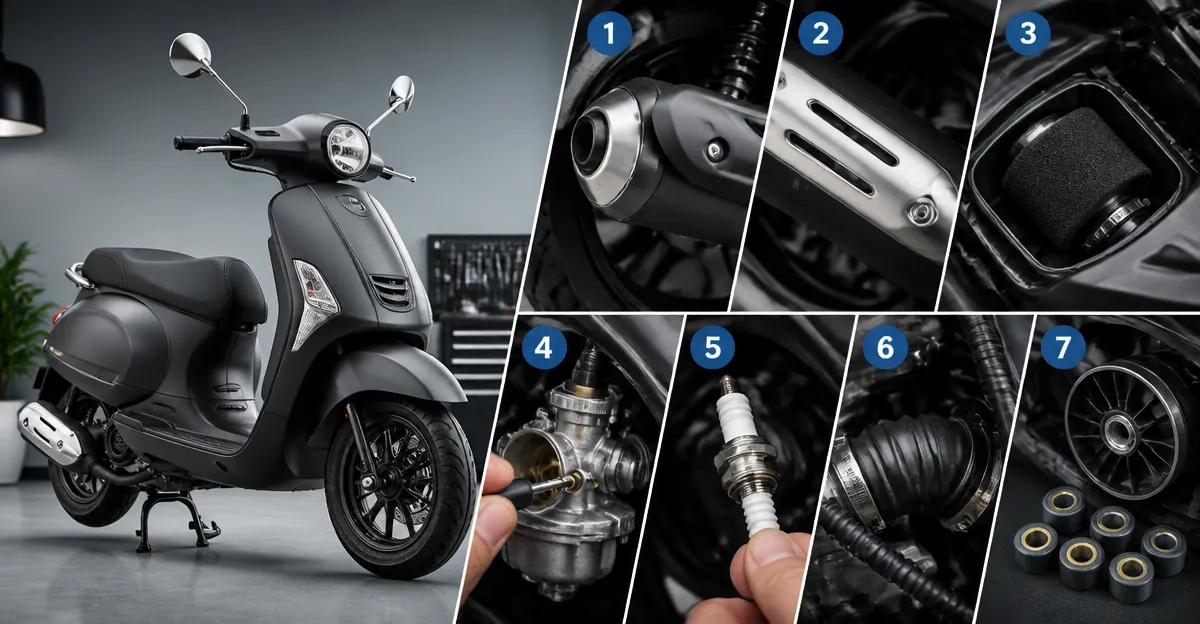
One will learn how to reduce the noise produced by a typical 50cc or 125cc scooter without voiding the manufacturer warranty. The guide explains seven practical adjustments that can be performed with basic hand tools and a modest investment in quality components. By following each step, one can achieve a quieter ride while preserving performance and compliance with local regulations. The information is presented in a clear, step‑by‑step format that is suitable for an intermediate DIY enthusiast.
What You Will Need
- Adjustable wrenches and screwdrivers
- Thread‑locking compound
- Heat‑resistant exhaust gasket (optional)
- One of the recommended mufflers or muffler sets
Step 1: Inspect the Existing Exhaust System
The first task is to examine the stock exhaust for cracks, loose brackets, or missing gaskets. One should locate the header pipe, the muffler housing, and any mounting hardware. A visual inspection often reveals vibration points that amplify noise. If any component appears damaged, replacement with a higher quality part will prevent further degradation.
Step 2: Replace the Stock Muffler with a Performance Model
Installing a purpose‑built muffler is the most effective way to lower exhaust volume without compromising power. The RedCap GY6 50cc Muffler offers a 12‑inch length, 28 mm opening, and a bolt‑to‑bolt header spacing of 49 mm, making it compatible with most GY6 50cc scooters such as TaoTao, Jonway, and Kymco. Priced at $54.97 and rated 4.2 out of 5 stars by 277 reviewers, it provides a deeper tone and solid construction. The muffler’s thick steel wall reduces resonance, and the optional color choices allow one to match the scooter’s aesthetic. Installation requires loosening the existing bolts, aligning the header pipe, and tightening the new hardware while avoiding over‑torque. Using thread‑locking compound on the bolts will maintain the fit under vibration.
Step 3: Add a Heat Shield for Thermal Isolation
A heat shield placed between the muffler and the frame reduces heat transfer, which can cause metal expansion and rattling noises. The RedCap GY6 Muffler Set includes a heat shield designed for 50cc and 100cc GY6 engines. At $48.97 with a rating of 4.1 out of 5 stars from 67 reviews, the set combines a chrome‑finished muffler and a protective shield. The shield’s heat‑resistant coating protects nearby cables and the rider’s footboard, while also contributing to a quieter exhaust note by dampening vibration. Mount the shield using the supplied brackets, ensuring clearance from the frame.
Step 4: Tighten and Align Exhaust Brackets
Loose or misaligned brackets allow the muffler to vibrate against the frame, increasing perceived noise. One should locate the triangular mounting bracket and verify that the rubber isolator sits evenly against the muffler body. If the bracket bolts are stripped, replace them with stainless‑steel hardware. The ZTDZZH GY6 50cc Muffler includes a set of bolts that fit the standard 28 mm opening. Although this muffler is priced at $56.88 and holds a 4.1 rating from 146 reviewers, its bolt design demonstrates the importance of secure mounting. Tighten each bolt in a cross‑pattern to distribute pressure evenly, and use a torque wrench to avoid overtightening, which could crack the muffler shell.
Step 5: Install an Exhaust Gasket for Leak Prevention
Even a small exhaust leak can generate a high‑pitched whine that undermines quieting efforts. One should place a high‑temperature gasket between the header pipe and the muffler inlet. While none of the listed products include a gasket, a universal silicone gasket can be purchased separately. The gasket material must withstand temperatures above 600 °F to prevent degradation. Align the gasket carefully, then reinstall the muffler, checking for any escaping fumes by feeling for air movement at the joint.
Step 6: Adjust the Carburetor for Optimal Air‑Fuel Ratio
After changing the exhaust flow, the engine may run richer or leaner, which can affect noise levels. One should fine‑tune the carburetor’s air‑fuel screw by turning it in 1/8‑turn increments until the scooter idles smoothly and the exhaust tone remains low. A richer mixture often dampens harsh noises, while a lean mixture can cause sputtering that amplifies sound. Monitoring the spark plug colour—light tan indicates proper combustion—helps verify the adjustment.
Step 7: Perform a Final Road Test and Re‑Check Fasteners
One should ride the scooter for several minutes at varying speeds to evaluate the noise reduction. During the test, listen for any new rattles or vibrations that may indicate loose hardware. After the ride, re‑inspect all bolts, brackets, and the gasket to ensure they remain tight. If any component shows signs of movement, repeat the tightening process with a thread‑locking compound.
Tips & Pro Tips
- Use a magnetic tray to keep bolts organized and prevent loss.
- Apply a thin layer of high‑temperature silicone sealant on the gasket for extra security.
- When tightening the muffler, do not exceed the manufacturer’s recommended torque, typically 8–10 Nm.
- Consider adding a small silicone vibration damper between the muffler and the frame for additional noise reduction.
Troubleshooting
- Excessive Rattle After Installation: Verify that the bracket rubber isolator is seated correctly and that the bolts are not overtightened.
- Persistent Loud Exhaust: Check for a missing or damaged gasket and ensure the header pipe is aligned without gaps.
- Loss of Power: Re‑adjust the carburetor’s air‑fuel mixture and confirm that the exhaust flow is not obstructed by debris.
Conclusion
One has now learned seven practical adjustments that can quiet a scooter without voiding the warranty. By inspecting the exhaust, installing a quality muffler such as the RedCap GY6 50cc Muffler, adding a heat shield, securing brackets, using a proper gasket, fine‑tuning the carburetor, and conducting a thorough road test, one can achieve a noticeable reduction in noise while preserving performance. The techniques described are safe, reversible, and compatible with most GY6‑based scooters.
Products Mentioned in This Guide
Frequently Asked Questions
How can I quiet a 50cc or 125cc scooter without voiding the warranty?
By inspecting the exhaust for damage, replacing the stock muffler with a compatible aftermarket unit, and using proper mounting hardware and thread‑locking compound.
What tools are required for the quiet‑scooter modifications?
Adjustable wrenches, screwdrivers, thread‑locking compound, and optionally a heat‑resistant exhaust gasket.
Will installing a new muffler affect my scooter’s performance?
A quality aftermarket muffler can reduce noise while maintaining or slightly improving exhaust flow, so performance remains essentially unchanged.
Is it necessary to replace the exhaust gasket when upgrading the muffler?
Replacing the gasket ensures a tight seal and prevents leaks that can increase noise, especially if the original gasket shows wear.
Can these exhaust tweaks comply with local noise regulations?
Yes, using approved mufflers and proper installation keeps the scooter within legal noise limits and preserves warranty coverage.