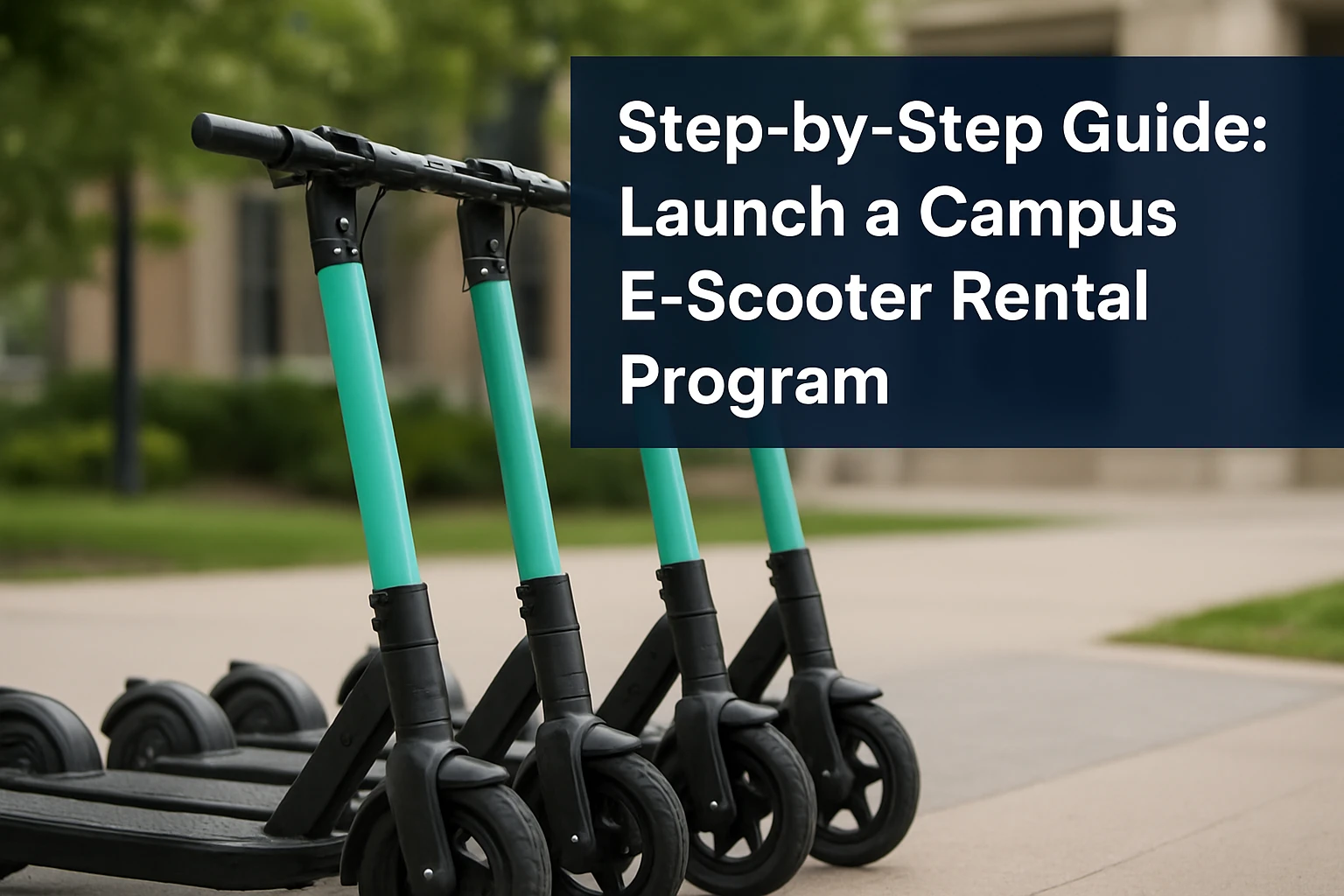

Step-by-Step Guide: How to Launch a Campus E‑Scooter Rental Program
Introduction
Colleges and universities are increasingly adopting micro‑mobility solutions to reduce traffic congestion and support sustainable travel. This guide explains how administrators, student entrepreneurs, and facilities managers can design, launch, and manage a successful campus e‑scooter rental program. Readers will learn the essential steps from feasibility analysis to daily operations, discover how to select appropriate scooters, and gain practical tips for long‑term success.
The guide balances strategic planning with concrete product recommendations, ensuring that readers can apply the information whether they choose to purchase scooters outright or partner with a third‑party provider. By the end of the article, the reader will possess a clear roadmap, a comparison of two popular scooter models, and a checklist of best practices.
Background and Context
Micro‑mobility refers to lightweight, short‑range transportation options such as bicycles, skateboards, and electric scooters. On a typical campus, distances between dormitories, lecture halls, and recreation centers range from a few hundred meters to several kilometers, making e‑scooters an efficient alternative to cars or buses. Studies show that students who use e‑scooters reduce their carbon footprint by up to 30 percent compared with driving personal vehicles.
Regulatory frameworks vary by jurisdiction, but most institutions must address safety standards, insurance requirements, and parking management. In addition, the success of a rental program depends on reliable hardware, intuitive software, and clear operational policies. Selecting scooters with robust suspension, long battery range, and built‑in safety features can mitigate many common challenges.
Planning the Program
Effective planning begins with a needs assessment. Survey students to gauge interest, identify high‑traffic corridors, and estimate peak usage. Combine survey data with campus maps to pinpoint ideal docking zones near residence halls, libraries, and transit hubs.
Next, develop a business model. Options include a student‑run cooperative, a university‑funded fleet, or a revenue‑sharing partnership with a commercial operator. Each model requires a financial forecast that accounts for acquisition costs, maintenance, charging infrastructure, and staffing.
Finally, draft a governance framework. Define roles for safety officers, maintenance crews, and data analysts. Establish policies for rider eligibility, speed limits, helmet requirements, and disciplinary procedures. A clear governance structure helps align stakeholders and ensures compliance with university policies.
Regulatory Compliance and Safety
Before any scooter touches campus pavement, verify that the program complies with local laws and university regulations. Most jurisdictions require e‑scooters to meet UL 2272 certification for electrical safety; both recommended models satisfy this standard.
Obtain liability insurance that covers rider injury and property damage. Many campuses negotiate campus‑wide policies that extend coverage to all approved micro‑mobility devices. Additionally, work with campus security to develop a reporting system for incidents and stolen units.
Safety education is critical. Offer mandatory orientation sessions that cover speed control, proper braking, and the importance of wearing helmets. Provide signage at docking stations reminding riders of speed limits and pedestrian right‑of‑way.
Fleet Selection
Choosing the right scooters directly influences user satisfaction and operational costs. The two models highlighted in this guide—Maxshot Electric Scooter and Werhy Folding Electric Scooter—represent complementary options for different campus environments.
The Maxshot model offers dual suspension, solid 10‑inch honeycomb tires, and a 500 W brushless motor capable of 22 mph. Its large 42 V/10.5 Ah battery provides up to 27 miles of range, making it suitable for larger campuses where scooters travel longer distances between charges. The integrated LED display, smartphone app control, and lockable features enhance user experience and fleet management.
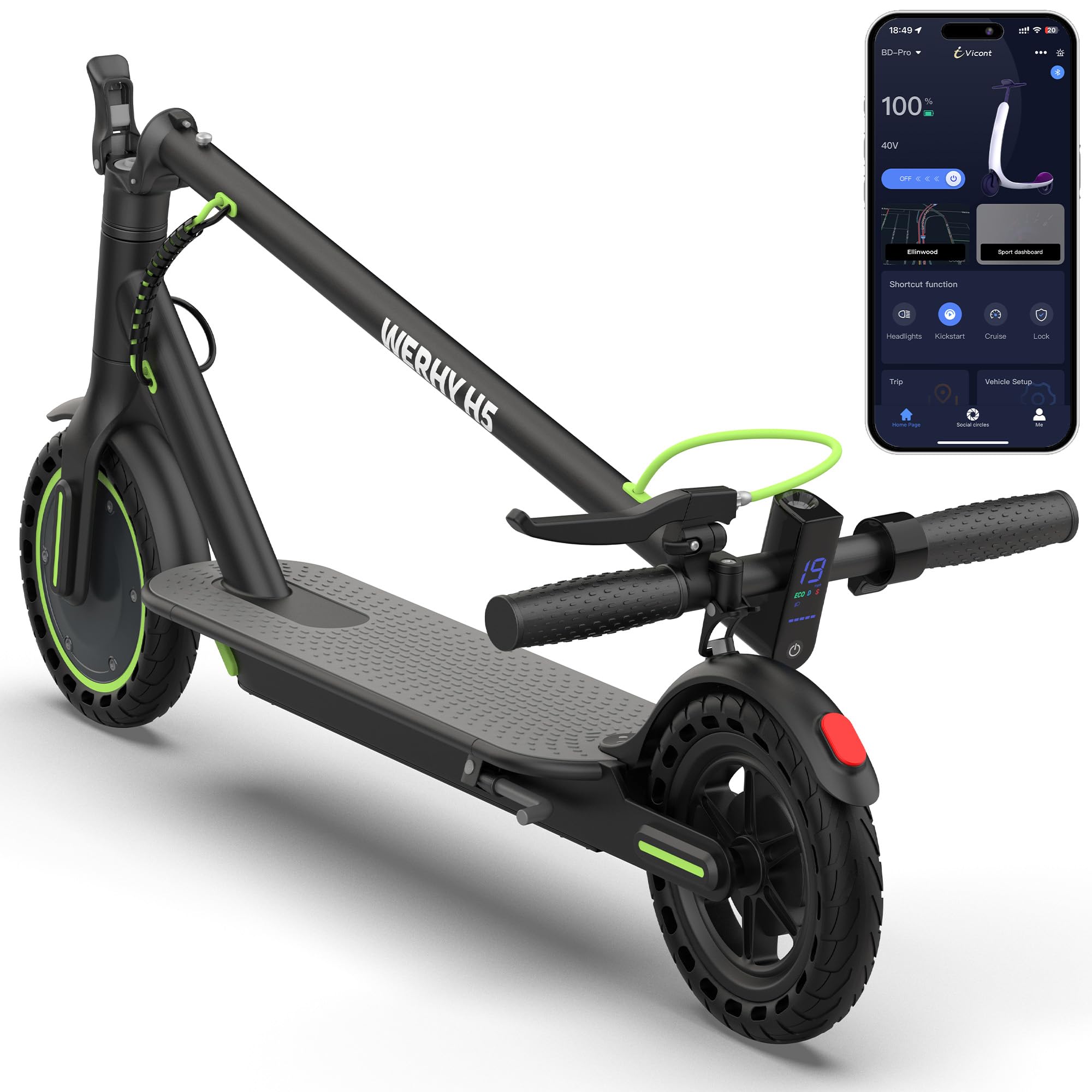
The Werhy scooter, by contrast, features a 350 W motor with a top speed of 19 mph and a more compact 8.5‑/10‑inch solid tire. Its 12‑15 mile range and 30‑pound weight make it ideal for dense, indoor‑friendly campuses where frequent folding and storage are necessary. Both models include dual braking systems, bright LED headlights, and UL 2272 certification, ensuring a high baseline of safety.
When selecting a fleet, consider the following criteria: motor power, maximum speed, battery capacity, weight, folding mechanism, and maintenance requirements. The comparison table below summarizes how the two scooters align with typical campus needs.
Comparison/Selection Guide
| Feature | Maxshot | Werhy |
|---|---|---|
| Motor Power | 500 W brushless hub | 350 W brushless hub |
| Top Speed | 22 mph | 19 mph |
| Battery Capacity | 42 V/10.5 Ah (≈27 mi range) | Li‑ion, 12‑15 mi range |
| Maximum Load | 265 lb | 264 lb |
| Weight | 36 lb | 30 lb |
| Folded Size | 44.5 × 16.9 × 24.4 in | Compact, folds in 3 seconds |
| Suspension | Dual suspension | Standard front fork |
| Price | $269.99 | $159.96 |
| Rating (reviews) | 4.3/5 (1,033 reviews) | 4.3/5 (456 reviews) |
For campuses with longer travel distances and a need for a smoother ride on uneven pathways, the Maxshot’s dual suspension and larger battery make it the preferred choice. For institutions prioritizing portability, lower upfront cost, and easy storage in indoor lockers, the Werhy model offers a compelling balance of performance and convenience.
Technology Integration
Modern e‑scooter programs rely on a digital platform for user authentication, ride tracking, and fleet monitoring. Both recommended scooters support Bluetooth connectivity and can be paired with a custom mobile app. The Maxshot’s app allows administrators to lock or unlock individual units, set speed limits, and receive real‑time battery alerts.
Integrate the scooter management system with the university’s existing ID card infrastructure. This enables students to rent a scooter by scanning their campus card, reducing friction and improving security. Data analytics from the platform can inform decisions about redistribution, maintenance scheduling, and usage trends.
Consider adding solar‑powered charging stations in high‑traffic zones. Solar can offset electricity costs and demonstrate the university’s commitment to renewable energy. Ensure that charging docks are weather‑proof and equipped with cable management to prevent tripping hazards.
Operations and Maintenance
Operational efficiency hinges on routine maintenance and rapid response to service issues. Establish a maintenance schedule that includes tire inspection, brake testing, battery health checks, and firmware updates. The Maxshot’s solid tires require minimal puncture risk, while the Werhy’s smaller wheels may need more frequent visual checks for wear.
Deploy a fleet of on‑site technicians or partner with a local service provider. Use the scooter’s built‑in diagnostics to generate service tickets automatically when a unit reports low battery or fault codes. Maintain an inventory of spare parts—especially tires, brake pads, and batteries—to minimize downtime.
Implement a clear reporting channel for riders to flag issues via the app or a campus help desk. Promptly addressing safety concerns builds trust and encourages repeat usage.
Financial Modeling and Funding
Develop a financial model that projects capital expenditures (CAPEX), operating expenses (OPEX), and revenue streams. CAPEX includes the purchase price of scooters, charging infrastructure, and software licensing. OPEX covers maintenance labor, electricity, insurance, and marketing.
Revenue can be generated through per‑minute fees, subscription plans, or sponsorships. Universities often negotiate revenue‑share agreements with commercial operators, allowing the institution to receive a percentage of each ride while the operator handles day‑to‑day logistics.
Explore grant opportunities focused on sustainable transportation. Federal and state programs sometimes provide subsidies for campuses adopting green mobility solutions. Present a cost‑benefit analysis that highlights reduced parking demand, lower carbon emissions, and improved student satisfaction.
Marketing and Student Engagement
Effective outreach ensures high adoption rates. Launch a multi‑channel campaign that includes email newsletters, social media posts, campus radio spots, and on‑site demo days. Highlight key benefits such as reduced commute time, cost savings compared with parking permits, and environmental impact.
Partner with student organizations, residence hall councils, and athletic teams to host trial rides. Offer limited‑time promotional credits to early adopters, encouraging them to share experiences with peers.
Collect user feedback continuously through in‑app surveys and focus groups. Use insights to refine pricing, expand docking locations, or adjust operational hours.
Best Practices & Tips
- Start with a pilot fleet of 10‑15 scooters to test demand before scaling.
- Place docking stations near high‑visibility areas and provide clear signage indicating allowed parking zones.
- Enforce speed limits of 15‑18 mph in pedestrian‑dense zones to enhance safety.
- Schedule nightly charging cycles; both Maxshot and Werhy models support fast charging, reducing downtime.
- Maintain a digital log of maintenance activities to track cost per mile and identify recurring issues.
- Educate riders on proper folding and storage to prevent damage to the scooter’s frame and suspension.
- Leverage the scooters’ LED headlights and brake lights for night‑time visibility, especially on poorly lit campus pathways.
Frequently Asked Questions
- What age or license is required to ride a campus e‑scooter? Most campuses require riders to be at least 16 years old and possess a valid driver’s license or university‑issued mobility permit. Verify local regulations before finalizing policy.
- How are the scooters charged? Both models feature removable batteries that can be charged on‑site using standard 110 V outlets. Some campuses install dedicated charging docks that lock the scooter while charging.
- What happens if a scooter is stolen or vandalized? Enable GPS tracking via the scooter’s app and require rider authentication before unlocking. Insurance should cover theft and vandalism, but prompt reporting improves recovery chances.
- Can the scooters be used off‑campus? Policies vary; many universities restrict usage to campus boundaries to control liability and ensure fleet availability. Geofencing technology can enforce this rule automatically.
- How often do batteries need replacement? Lithium‑ion batteries typically retain 80 % capacity after 300‑500 charge cycles. Plan for a replacement budget of roughly 20 % of the initial battery cost every 2‑3 years.
- Is helmet use mandatory? While not always legally required, most campuses mandate helmets for safety and may provide free helmets at docking stations.
- What support is available if a rider experiences a technical issue? Riders can submit a ticket through the app, which routes the request to the maintenance team. Rapid response times (under 30 minutes) improve user confidence.
Conclusion
Launching a campus e‑scooter rental program involves coordinated effort across planning, compliance, technology, and operations. By conducting a thorough needs assessment, selecting reliable scooters such as the Maxshot Electric Scooter or the Werhy Folding Electric Scooter, and implementing robust management software, universities can provide a safe, sustainable, and popular mobility option for students and staff.
The financial and environmental benefits, combined with enhanced campus experience, make e‑scooters a strategic addition to any modern university’s transportation portfolio. Follow the step‑by‑step framework presented here, adapt it to local conditions, and monitor performance continuously to ensure long‑term success.
Products Featured in This Guide
Maxshot Electric Scooter
Price: $269.99
Rating: 4.3/5 (1,033 reviews)
Featured because its dual suspension, 500 W motor, and up to 27 mile range make it ideal for larger campuses requiring comfort on varied terrain.
Werhy Folding Electric Scooter
Price: $159.96
Rating: 4.3/5 (456 reviews)
Featured because its lightweight, compact folding design and lower price point suit dense campus environments where storage space is limited.