How to Teach Kids Proper E‑Scooter Battery Charging Habits: Safety, Routines & Battery‑Life Tips
Introduction
Parents who provide electric scooters for their children must understand that charging a lithium‑ion battery safely is as important as riding responsibly. This guide explains how to establish consistent charging routines, teach children to recognize safety signals, and apply best practices that preserve battery health. By following the steps outlined below, caregivers will reduce the risk of fire, over‑charging, and premature capacity loss. The information presented is practical, evidence‑based, and includes product recommendations that simplify the teaching process.
The reader will learn how to create a child‑friendly charging station, select appropriate chargers, monitor charging progress, and reinforce habits through positive reinforcement. The guide also addresses common problems such as slow charging, indicator‑light confusion, and connector wear. Ultimately, the goal is to empower children to become independent, safety‑conscious scooter owners.
What You’ll Need
- A compatible charger for the scooter’s battery voltage (see product recommendations below).
- A dedicated charging area that is dry, well‑ventilated, and away from flammable materials.
- Child‑proof outlet covers or a power strip with an on/off switch.
- A simple checklist or visual chart to track charging times.
- Protective gloves (optional) for handling connectors safely.
Step 1: Establish a Safe Charging Station
Designate a specific spot in the home where the scooter will always be charged. The area should be on a stable surface, such as a wooden table or a plastic mat, and should not be exposed to direct sunlight or moisture. Place the charger on the surface first, then position the scooter so that the charging port is easily reachable for a child.
To protect the outlet from accidental contact, install a child‑proof cover or use a power strip that can be switched off after charging. This prevents a child from inserting foreign objects into the socket, which could cause electric shock. Explain to the child that the power strip is the “off button” and demonstrate how to use it safely.
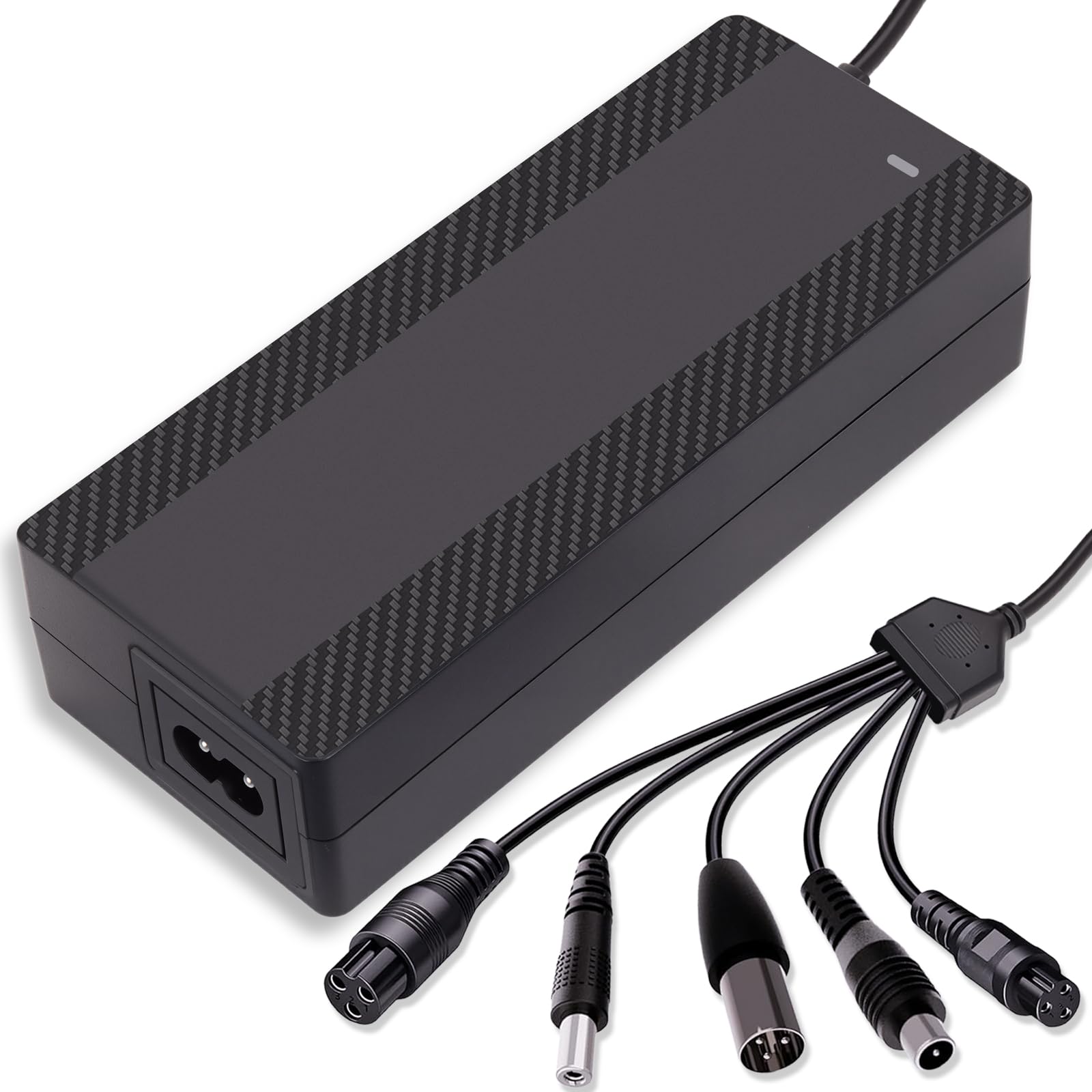
At this stage, it is advisable to use a charger that offers multiple connector options, reducing the need to switch adapters. The CraogeCo 29.4V Lithium Battery Charger provides five interchangeable plugs, allowing the same charger to serve various scooter models. Its compact size (0.35 kg) makes it easy to store near the charging station, and the built‑in sixfold safety protection (over‑voltage, over‑current, over‑temperature, short‑circuit, reverse polarity, and auto‑recovery) offers an extra layer of security for young users.
Price: $19.99; Rating: 3.7/5 from 66 reviews. The universal plug design eliminates the confusion of matching a single connector, which is particularly helpful when teaching children to identify the correct plug.
Step 2: Introduce the Charger and Explain Its Features
Gather the child and the charger, then walk through each component slowly. Show the five plug types and label them with color‑coded stickers or a simple diagram. Explain that each plug is designed for a specific scooter model and that using the wrong plug can damage the battery.
Emphasize the safety indicators on the charger. The CraogeCo charger does not have a visible LED, but its automatic shut‑off feature will stop charging once the battery reaches full capacity, preventing over‑charging. Reinforce that the child does not need to unplug the charger manually; the device will handle the process.
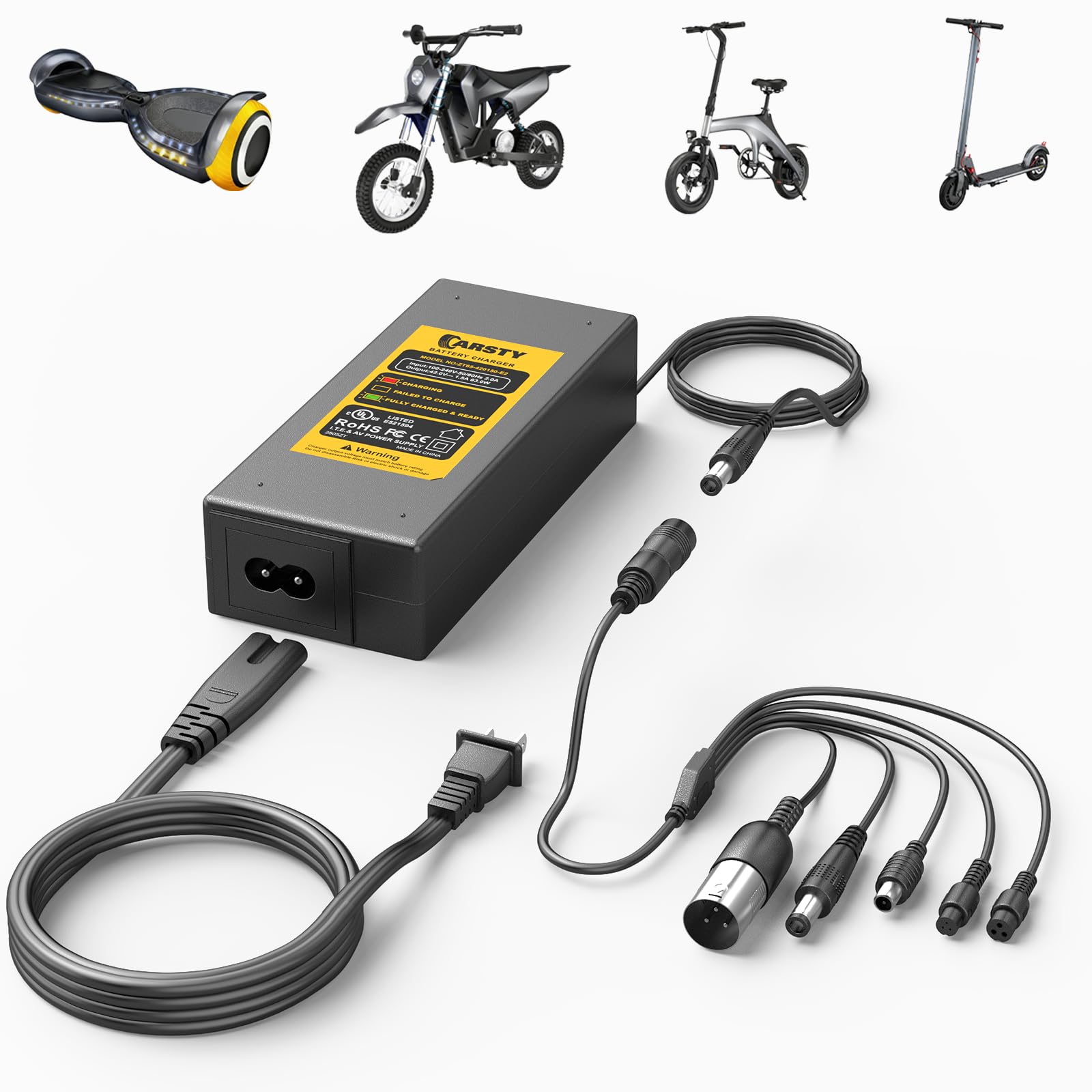
If the scooter uses a 42 V system, the Carsty 42V Hoverboard Charger is a suitable alternative. It offers a 5‑in‑1 plug set, UL certification, and an intelligent LED indicator (red for charging, green for full). Price: $23.28; Rating: 4.2/5 from 118 reviews. The visual cues make it easier for children to understand when the battery is charging versus fully charged.
Demonstrate how to insert the plug, press the charger’s power button (if present), and observe the LED. Encourage the child to repeat the steps under supervision until the process feels natural.
Step 3: Create a Consistent Charging Routine
Consistency is the cornerstone of habit formation. Establish a daily schedule—such as charging the scooter after school and before bedtime—so the child knows exactly when to plug in the device. Use a printable chart that includes columns for date, start time, end time, and a checkbox for “Battery Full.” Place the chart near the charging station for easy reference.
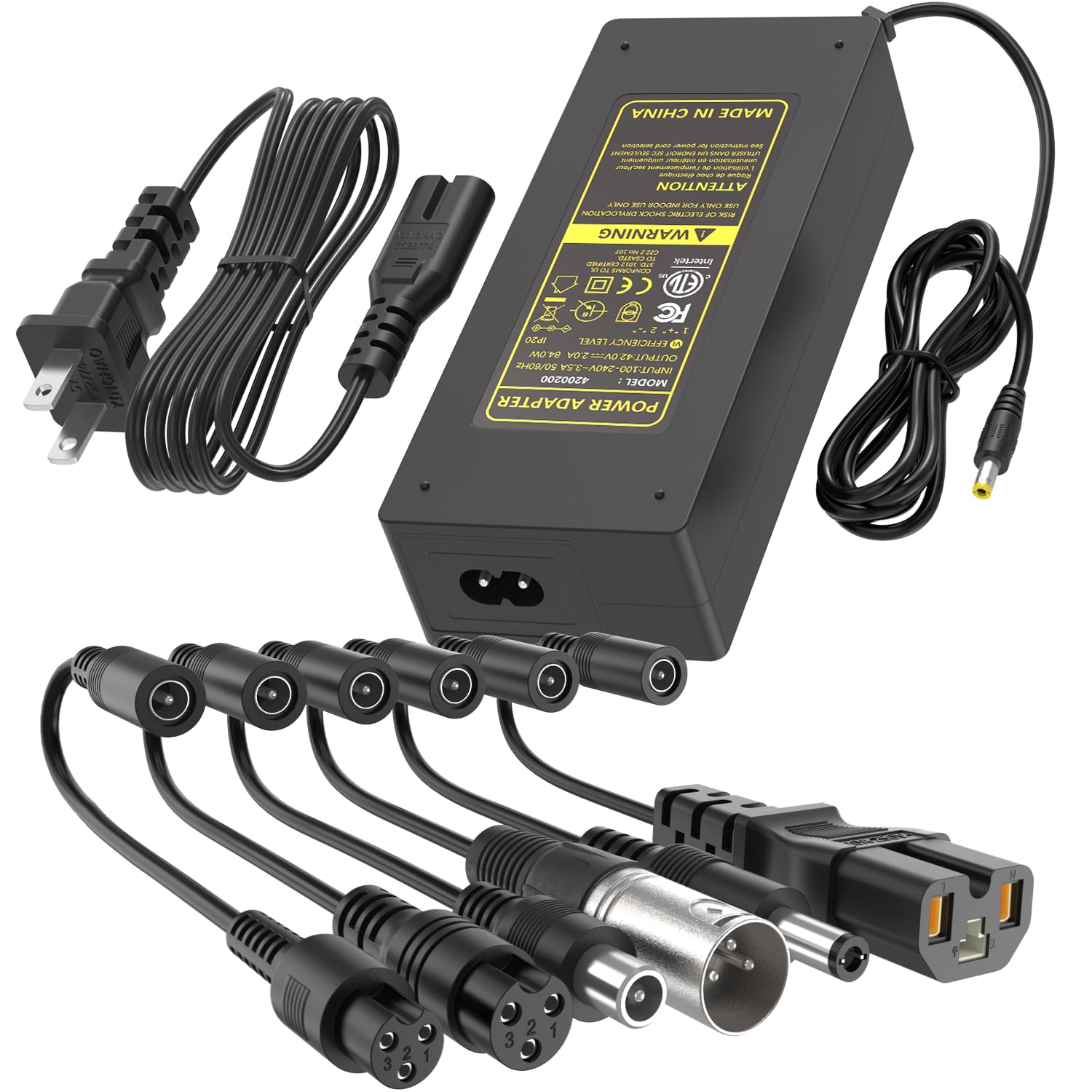
Explain the importance of charging the battery before it drops below 20 % capacity. Lithium‑ion cells experience less stress when they are recharged frequently rather than allowed to discharge completely. The BOEEA 42V Electric Scooter Charger provides a clear LED indicator and a fast 2 A output, reducing overall charging time. Price: $26.99; Rating: 4.9/5 from 13 reviews. Faster charging means the child can complete the routine without waiting for an extended period.
Teach the child to record the start and finish times on the chart. This practice reinforces accountability and provides a visual record of charging habits. Review the chart weekly and praise consistent behavior, which strengthens the habit loop of cue‑routine‑reward.
Step 4: Monitor Battery Health and Safety Indicators
Even with a reliable charger, it is essential to teach children how to recognize warning signs. Explain that a hot charger or a hissing sound indicates a problem, and that the charger should be unplugged immediately and an adult notified. Show the child how to feel the charger’s surface—if it feels unusually warm, it may be over‑working.
The Carsty charger’s six‑layer protection system includes over‑voltage and short‑circuit safeguards, which automatically cut power if a fault is detected. Emphasize that these safety features are built‑in, but vigilance remains necessary.
Teach the child to inspect the connector pins for corrosion or damage before each charge. If pins appear bent or dirty, a soft brush can be used to clean them gently. Regular inspection extends connector lifespan and maintains a reliable electrical connection.
Finally, remind the child that the charger should never be used near water, on a carpet that can trap heat, or in direct sunlight. A well‑ventilated area reduces the risk of temperature‑related failures.
Step 5: Reinforce Good Habits with Positive Feedback
Positive reinforcement accelerates habit adoption. Offer a small reward—such as extra screen time or a favorite snack—when the child completes a week of consistent charging without incidents. Celebrate milestones publicly to encourage continued diligence.
Incorporate a brief discussion at the end of each week to review the charging chart, address any anomalies, and answer questions. This dialogue reinforces the educational component and demonstrates that safety is a shared responsibility.
When the child demonstrates mastery, gradually increase independence by allowing them to set the charging schedule themselves, while still supervising the first few cycles. Over time, the child will internalize the routine and become a responsible scooter owner.
Tips & Pro Tips
- Use color‑coded stickers on each plug to help children match the correct connector quickly.
- Keep a spare charger in a separate location in case the primary unit fails; this prevents the child from attempting improvised solutions.
- Schedule a quarterly battery health check with the scooter manufacturer’s service center to ensure long‑term performance.
- Never charge the scooter on a soft surface such as a bed or couch; a hard, non‑flammable surface dissipates heat more effectively.
- Consider using a smart plug with energy monitoring to track charging duration and detect abnormal power draw.
Troubleshooting
- Charger does not turn on. Verify that the outlet is functional by plugging in a lamp. If the outlet works, inspect the charger’s power cord for damage. Replace the charger if the cord is frayed.
- LED remains red after the expected charging time. Check that the battery is seated correctly in the scooter and that the connector pins are clean. If the issue persists, the battery may be degraded and require replacement.
- Excessive heat during charging. Ensure the charging area is well‑ventilated and that no objects block airflow. If heat continues, discontinue use and contact the charger manufacturer.
Conclusion
Teaching children proper e‑scooter battery charging habits combines safety education, routine building, and the use of reliable charging tools. By establishing a dedicated charging station, explaining charger features, creating a consistent schedule, monitoring safety indicators, and reinforcing good behavior, caregivers can significantly extend battery lifespan and reduce accident risk. The recommended chargers—CraogeCo 29.4V Lithium Battery Charger, Carsty 42V Hoverboard Charger, and BOEEA 42V Electric Scooter Charger—provide the safety features and flexibility needed for a child‑friendly experience. Consistent practice and positive reinforcement will empower children to become responsible, safety‑aware scooter users.
Products Mentioned in This Guide
Frequently Asked Questions
What is the safest way to set up a child‑friendly e‑scooter charging station?
Place the charger on a stable, non‑flammable surface near a power outlet, keep it away from water, and use a dedicated outlet with a surge protector.
How can I teach kids to recognize when a battery is fully charged?
Show them the indicator lights or display that turns green or stops flashing, and explain that they should unplug the charger once this signal appears.
Why is it important to use the charger that matches the scooter’s battery voltage?
Using the correct voltage prevents over‑charging, overheating, and reduces the risk of fire or reduced battery lifespan.
What routine should children follow to avoid over‑charging an e‑scooter battery?
Charge the scooter only after use, unplug it as soon as the full‑charge indicator appears, and never leave it plugged in overnight.
How can parents reinforce good charging habits in kids?
Use positive reinforcement such as praise or small rewards when children follow the charging steps correctly and consistently.