How to Replace Wheel Bearings on a Folding E‑Scooter: Step‑by‑Step DIY Guide with Tools & Safety Tips
Introduction
Replacing the wheel bearings on a folding electric scooter restores smooth rolling, improves handling, and extends the vehicle’s service life. This guide explains every stage of the process, from gathering tools to final testing, so that even an intermediate DIY enthusiast can complete the repair confidently. Understanding why bearings wear out—excessive heat, contamination, and mechanical stress—helps the reader appreciate the value of a proper replacement. By following these instructions, one will avoid costly professional labor and enjoy a quieter, more efficient ride.
What You’ll Need
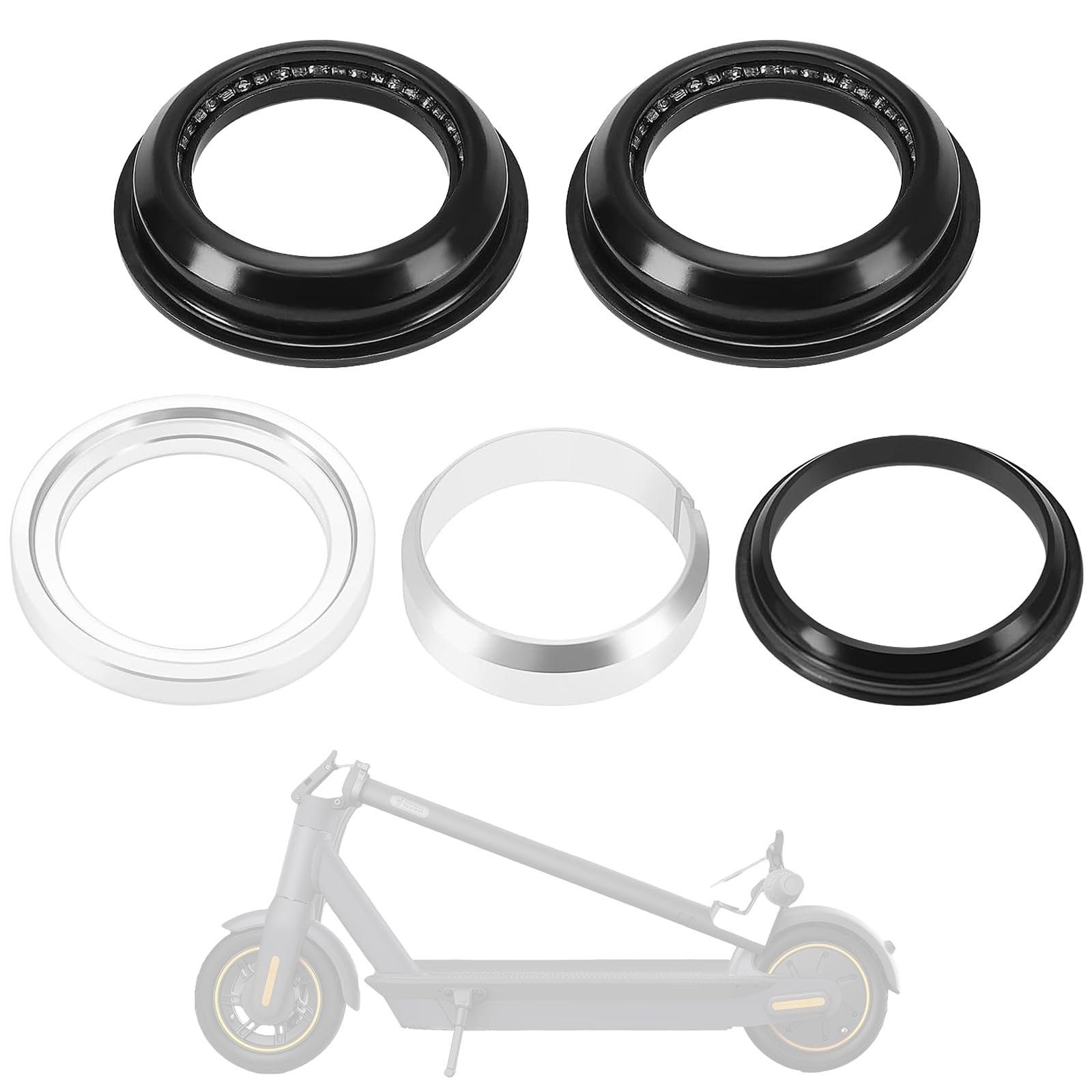
- Set of INLLWNU Scooter Steering Bearing Kit (5‑pcs, $12.99, 5‑star rating)
- Precision socket set (10 mm, 12 mm, and 14 mm)
- Flat‑head and Phillips screwdrivers
- Hex key (Allen) set
- Cleaning rag and isopropyl alcohol
- Grease or high‑temperature bearing lubricant
- Protective gloves and safety glasses
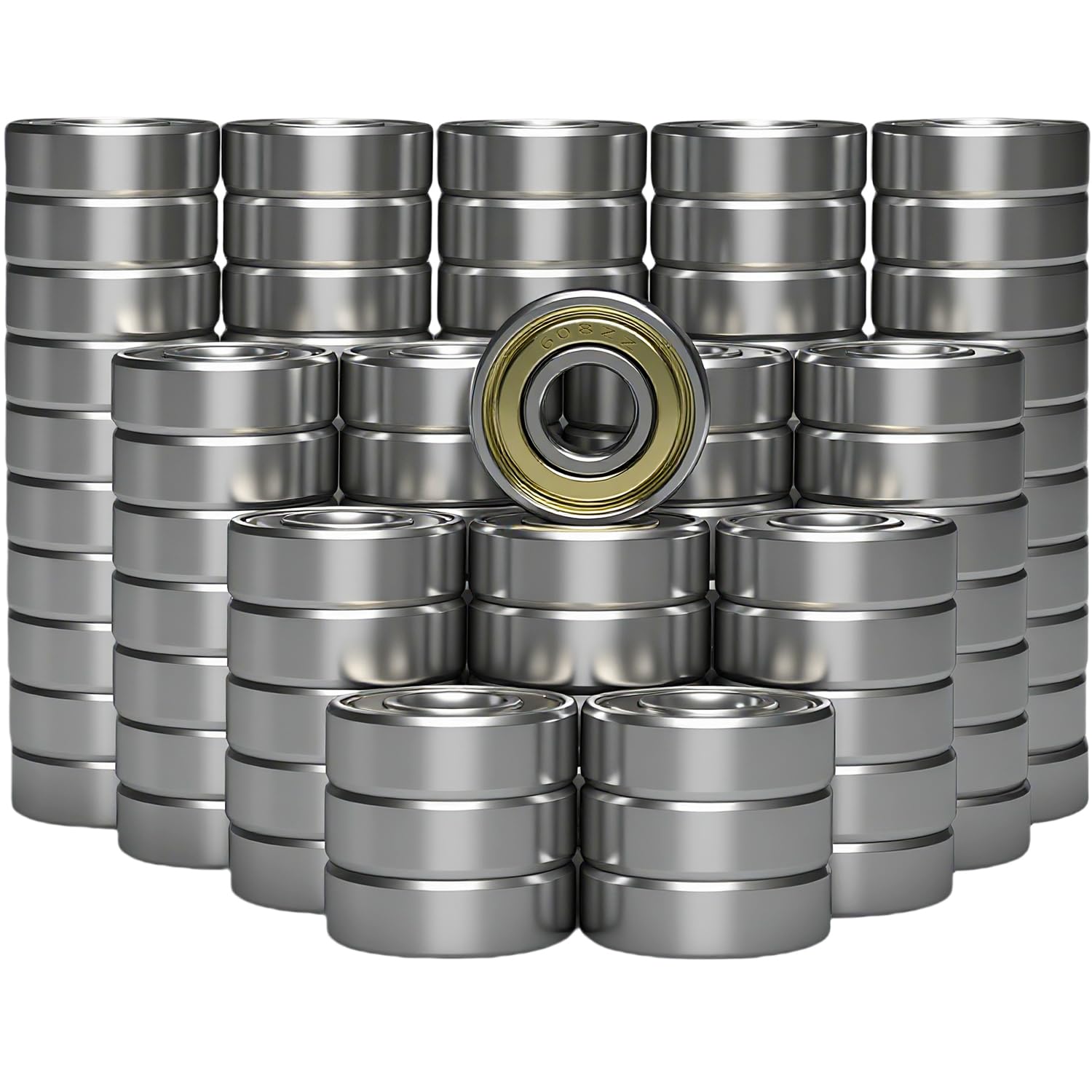
- Optional: SKITCH ABEC 9 Bearings (8‑pack, $13.97, 4.4‑star rating) for aftermarket upgrades
Step 1 – Prepare the Workspace and Safety Gear
Choose a flat, well‑ventilated area with a sturdy workbench; this prevents the scooter from tipping while you disassemble it. Wear protective gloves to protect your hands from sharp edges and safety glasses to shield your eyes from debris. Before handling any components, disconnect the scooter’s battery to eliminate the risk of accidental short circuits. Finally, place a soft cloth on the bench to avoid scratching the scooter’s frame during the procedure.
Step 2 – Remove the Wheel Assembly
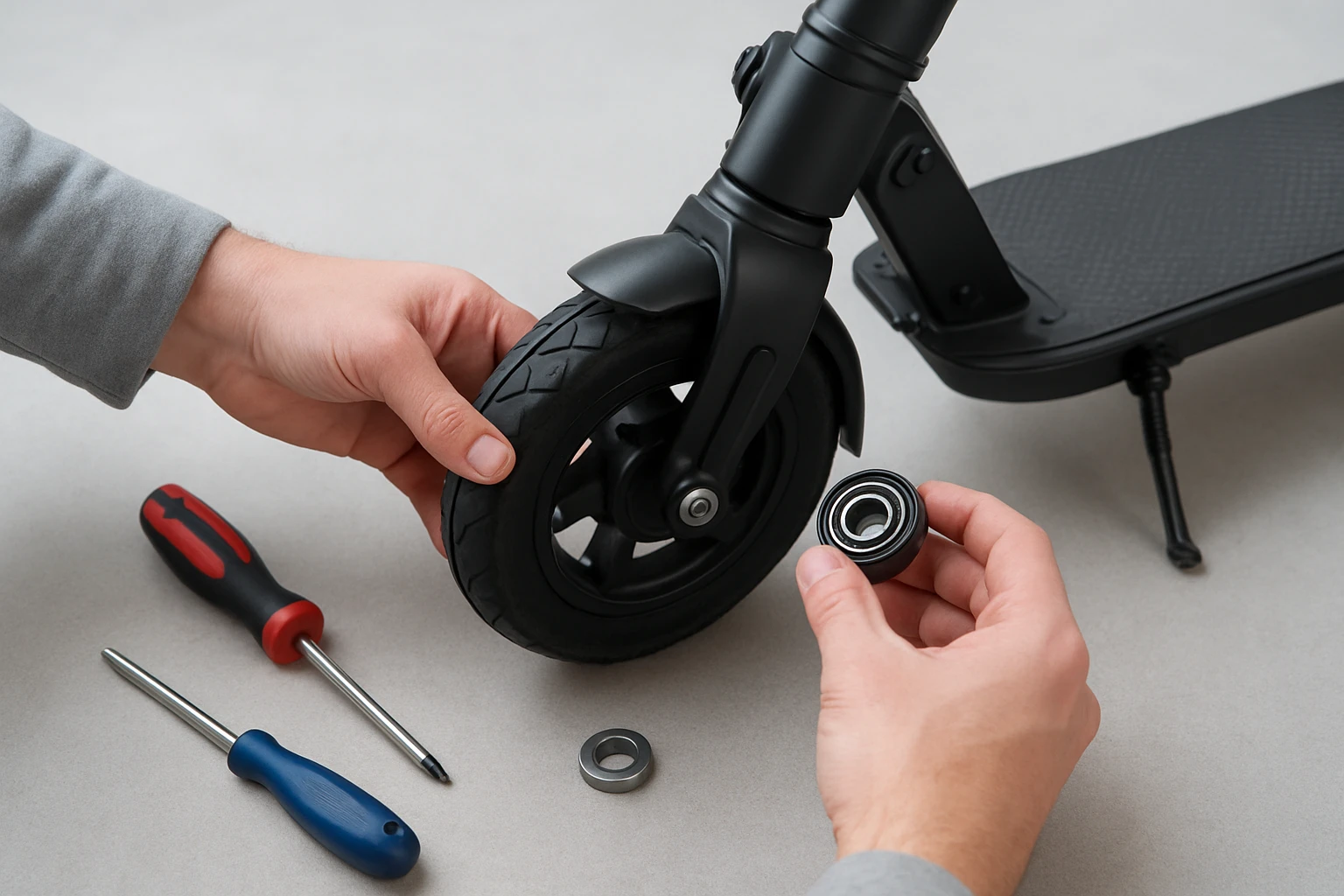
Using a 12 mm socket, loosen the axle nut that secures the wheel to the fork; retain the nut in a small container to avoid loss. Next, slide the wheel forward and carefully lift it away from the fork, supporting the axle with one hand to prevent it from falling. If the wheel is stuck, apply a few gentle taps with a rubber mallet to free any seized bearings. Inspect the axle for signs of corrosion; a clean axle ensures proper bearing seating later in the process.
Step 3 – Extract the Old Bearings
With the wheel removed, you will see the upper and lower steering bearings housed in the fork tube. Use a suitable bearing puller or a small screwdriver to gently pry the old bearings out; avoid using excessive force that could damage the fork bore. Clean the bearing seats with a rag soaked in isopropyl alcohol, removing all old grease and debris. This step is critical because any contaminant left behind will accelerate wear on the new bearings.
Step 4 – Inspect the Fork Tube and Replace Worn Parts
Examine the interior of the fork tube for scoring, rust, or deformations. If the tube shows significant damage, consider replacing the entire fork or consulting a professional, as a compromised tube can cause bearing misalignment. Assuming the tube is sound, proceed to install the new bearing set from the INLLWNU Scooter Steering Bearing Kit. The kit includes upper and lower bearings, a base ring, an upper limit ring, and a washer, providing everything needed for a complete restoration.
Step 5 – Install the New Bearings
Apply a thin layer of high‑temperature grease to the inner surface of each bearing; this reduces friction and prevents premature wear. Gently press the upper bearing into its seat, ensuring it sits flush with the fork’s inner wall. Follow the same procedure for the lower bearing, confirming that both bearings are aligned vertically. Install the base ring and upper limit ring, then secure the washer component; these metal parts lock the bearings in place and prevent axial movement during riding.
Step 6 – Re‑assemble the Wheel
Slide the wheel back onto the axle, aligning the axle holes with the fork’s mounting points. Re‑insert the axle nut and tighten it to the manufacturer’s torque specification, typically around 8–10 Nm for most folding scooters. Verify that the wheel rotates freely without wobble; a smooth, silent spin indicates proper bearing installation. If any resistance or unevenness is felt, disassemble and re‑check bearing seating and lubrication.
Step 7 – Test Ride and Final Adjustments
Reconnect the battery, power on the scooter, and perform a short low‑speed ride in a safe area. Listen for abnormal noises such as grinding or clicking, which may signal misalignment. Check the steering response by turning the handlebars left and right; the motion should be crisp and without lag. After the test ride, re‑inspect the axle nut for any loosening and re‑tighten if necessary.
Tips & Pro Tips
- Always verify compatibility; the INLLWNU Scooter Steering Bearing Kit is designed for Max G30, G30P, and G30LP models, but it fits many other folding scooters with similar fork dimensions.
- Use a torque wrench for the axle nut to avoid over‑tightening, which can compress the bearings and cause premature failure.
- Consider upgrading to premium bearings such as SKITCH ABEC 9 Bearings if you desire higher RPM capability and longer service intervals.
- Keep a small bottle of bearing grease on hand for routine maintenance; re‑lubricate the bearings every 3‑4 months if you ride frequently.
- When cleaning the fork tube, avoid harsh chemicals that could strip protective coatings; isopropyl alcohol is safe and effective.
Troubleshooting
Problem: Wheel still feels rough after installation.
Solution: Remove the wheel and check that the bearings are fully seated; any gap will cause uneven rotation. Re‑apply grease and ensure the washer and limit rings are correctly positioned.
Problem: Steering wobble persists.
Solution: Verify that the axle nut is tightened to the correct torque and that the fork tube is not bent. If the fork tube is damaged, replacement is required.
Problem: Unusual grinding noise during acceleration.
Solution: Inspect the motor’s drive belt or chain for wear; a worn belt can transmit vibration to the bearings, creating noise.
Conclusion
Replacing wheel bearings on a folding e‑scooter is a manageable DIY task that restores performance, safety, and rider confidence. By following the step‑by‑step instructions, using the recommended INLLWNU Steering Bearing Kit, and adhering to safety best practices, one can complete the repair without professional assistance. Regular maintenance, including periodic cleaning and lubrication, will keep the bearings operating at peak efficiency for years to come.
Products Mentioned in This Guide
INLLWNU Scooter Steering Bearing Kit
Price: $12.99 | Rating: 5/5 (2 reviews)
SKITCH ABEC 9 Bearings
Price: $13.97 | Rating: 4.4/5 (392 reviews)
PAROD Wheel Bearing Assembly
Price: $89.99 | Rating: 4.6/5 (297 reviews)
YOXUFA Mini Bike Wheel Bearings
Price: $8.99 | Rating: 4.6/5 (320 reviews)
SACKORANGE 608‑ZZ Ball Bearings
Price: $17.59 | Rating: 4.4/5 (780 reviews)
Frequently Asked Questions
How often should I replace the wheel bearings on a folding e‑scooter?
Inspect bearings every 6‑12 months and replace them when you notice grinding noises, wobble, or reduced smoothness.
What tools are essential for replacing scooter wheel bearings?
A precision socket set (10 mm, 12 mm, 14 mm), screwdrivers, an Allen key set, cleaning rag with isopropyl alcohol, and grease or high‑temp bearing lubricant.
Can I reuse the old bearings after cleaning them?
No; worn bearings lose tolerance and surface finish, so always install new bearings for safety and performance.
How do I prevent contamination when installing new bearings?
Wear gloves, clean the hub thoroughly with alcohol, apply fresh grease, and avoid touching bearing surfaces with bare hands.
What safety precautions should I take during the replacement?
Wear protective gloves and safety glasses, disconnect the scooter’s power, and work on a stable surface to avoid injury.