
How to Choose Ergonomic Handlebars for Kids' Folding Scooters: The Complete Guide to Comfort, Safety & Adjustability
Introduction
Choosing the right handlebars for a children’s folding scooter is a decision that directly influences comfort, safety, and the child’s long‑term enjoyment. This guide explains the essential factors that determine ergonomic quality, including grip design, adjustability range, and material durability. Readers will learn how to evaluate these criteria, compare available options, and apply best‑practice tips for everyday use. By the end of the article, one will be equipped to select a handlebar system that grows with the child and supports safe riding habits.
Background and Context
Ergonomic design in children’s scooters focuses on aligning the rider’s posture with the scooter’s geometry to reduce strain on the wrists, shoulders, and back. Handlebars that are too high, too low, or overly bulky can cause premature fatigue and increase the risk of falls. Modern folding scooters often incorporate adjustable stems, rubberized grips, and lightweight alloys to address these concerns. Understanding how these elements interact provides a solid foundation for making an informed purchase.
Key Concepts for Ergonomic Handlebars
One of the primary considerations is the handlebar height range. A stem that adjusts in at least four increments allows parents to fine‑tune the fit as the child grows from two to eight years old. Another crucial factor is the grip material; silicone or rubberized surfaces offer a non‑slip feel while cushioning impact forces. Finally, the steering mechanism—such as lean‑to‑steer technology—enhances natural body movement and improves balance.
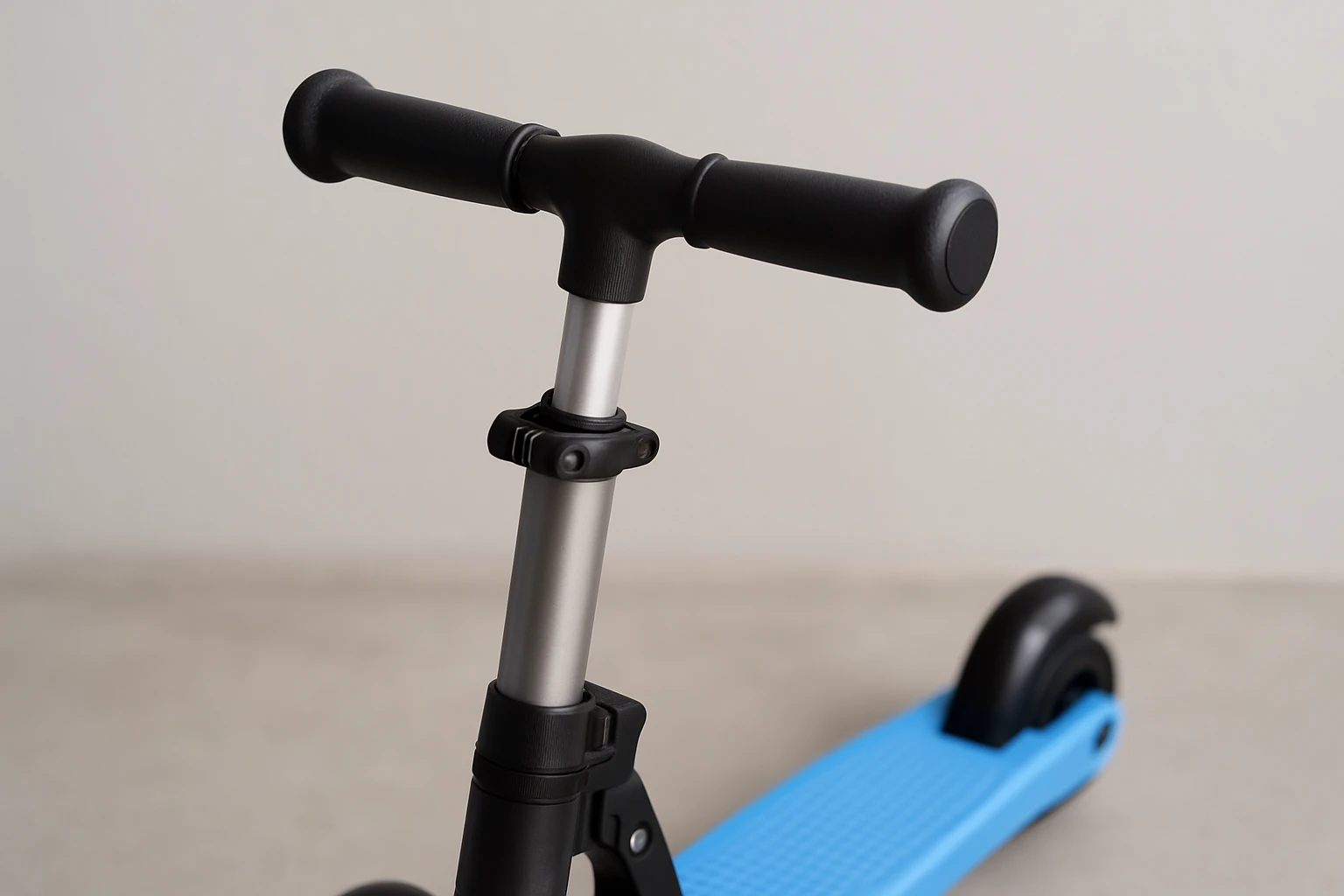
These concepts are illustrated by the TONBUX Kids Scooter, which integrates an ergonomically shaped handlebar with a non‑slip grip and an adjustable height system. The scooter’s design demonstrates how a well‑engineered handlebar can complement other safety features, including a sensitive rear brake and shock‑absorbing wheels.
Recommended Product: TONBUX Kids Scooter
The TONBUX Kids Scooter offers a 2‑in‑1 design that transitions seamlessly from a seated ride to a standing scooter, making it a versatile option for growing children. Its handlebar stem provides four height settings—22.6, 25.8, 27.8, and 29.8 inches—ensuring a proper fit for ages two through eight. The non‑slip handle is wrapped in a soft, tactile material that reduces hand fatigue during extended rides.
Additional specifications include PU luminous wheels that absorb shock on varied surfaces, a sensitive rear brake that activates with gentle pressure, and a lean‑to‑steer system that encourages natural body alignment. Priced at $52.99 and backed by a 4.4‑star rating from 243 reviews, the scooter combines affordability with robust safety features.
Comparison and Selection Guide
When comparing ergonomic handlebars, consider the following criteria: adjustability range, grip texture, material weight, and integration with safety systems. A scooter with a single‑step height adjustment may be suitable for a narrow age band, whereas a four‑step system—like that of the TONBUX model—offers longer usability.
Weight is another differentiator; aluminum stems reduce overall scooter mass, making it easier for younger children to maneuver. Conversely, steel stems provide extra durability but may add unnecessary heft. Evaluate the trade‑off based on the child’s strength and the typical riding environment.
Finally, assess how the handlebar interacts with braking and steering. Handlebars that are positioned too far forward can diminish braking leverage, while those that sit too low may impair the rider’s ability to lean effectively. The TONBUX scooter’s lean‑to‑steer technology aligns the handlebar angle with the rider’s natural center of gravity, promoting smoother turns.
Best Practices & Tips
Before the first ride, adjust the handlebar height so that the child’s elbows are slightly bent when holding the grips. This posture minimizes strain and allows for quick reaction in emergency braking situations. Verify that the grip surface is clean and free of debris; a dusty handle can become slippery, especially on wet surfaces.
Regularly inspect the handlebar bolts and the stem lock mechanism for looseness. Tightening these components with a hex key prevents unintended height changes during use. Additionally, lubricate the pivot points of the folding mechanism to maintain smooth operation.
Encourage children to practice the lean‑to‑steer technique on a flat, open area before venturing onto uneven terrain. Demonstrating how a slight body lean translates into directional change helps develop balance and confidence. Pair this practice with brief stops using the sensitive rear brake to reinforce safe stopping habits.
When storing the scooter, collapse the handlebars fully and secure them with the built‑in latch. This reduces the scooter’s footprint and protects the grip material from prolonged exposure to sunlight, which can degrade rubberized surfaces over time.
Frequently Asked Questions
- What age range benefits most from an adjustable handlebar?
- Children between two and eight years old experience rapid growth; a four‑step adjustment accommodates this span effectively.
- Is a rubberized grip necessary for indoor use?
- Yes; even on smooth indoor floors, a rubberized grip prevents slippage caused by sweat or dust.
- How often should the handlebar be tightened?
- Inspect the bolts after every ten rides or immediately after any impact; tighten as needed to maintain stability.
- Can the handlebar height be changed while the scooter is folded?
- No; the stem must be unlocked and the scooter unfolded to adjust the height safely.
- Do luminous wheels affect handlebar ergonomics?
- Luminous wheels do not directly impact handlebar design, but their shock‑absorbing nature reduces overall vibration felt through the grips.
Conclusion
Selecting ergonomic handlebars for a children’s folding scooter involves balancing adjustability, grip comfort, material weight, and safety integration. By understanding these principles and applying the evaluation framework presented, one can choose a handlebar system that supports healthy posture and confident riding. The TONBUX Kids Scooter exemplifies a well‑designed product that meets these criteria while offering additional features such as a 2‑in‑1 seat and lean‑to‑steer technology. Ultimately, the right handlebar contributes to a safer, more enjoyable experience for both child and caregiver.
Products Featured in This Guide
TONBUX Kids Scooter
Price: $52.99
Rating: 4.4 out of 5 stars (243 reviews)
Featured because it incorporates a four‑step adjustable handlebar, non‑slip grip, and lean‑to‑steer technology, making it an ideal example of ergonomic design for young riders.