Introduction
Understanding the real‑world range of a folding e‑scooter is essential for commuters, weekend explorers, and anyone who relies on electric mobility. This guide will teach the reader how to calculate an accurate range estimate by considering battery capacity, rider weight, terrain, and auxiliary accessories. By following the method, one can avoid unpleasant surprises such as running out of power midway through a journey. The information is valuable because it empowers users to plan trips confidently and make informed decisions about upgrades or accessories.
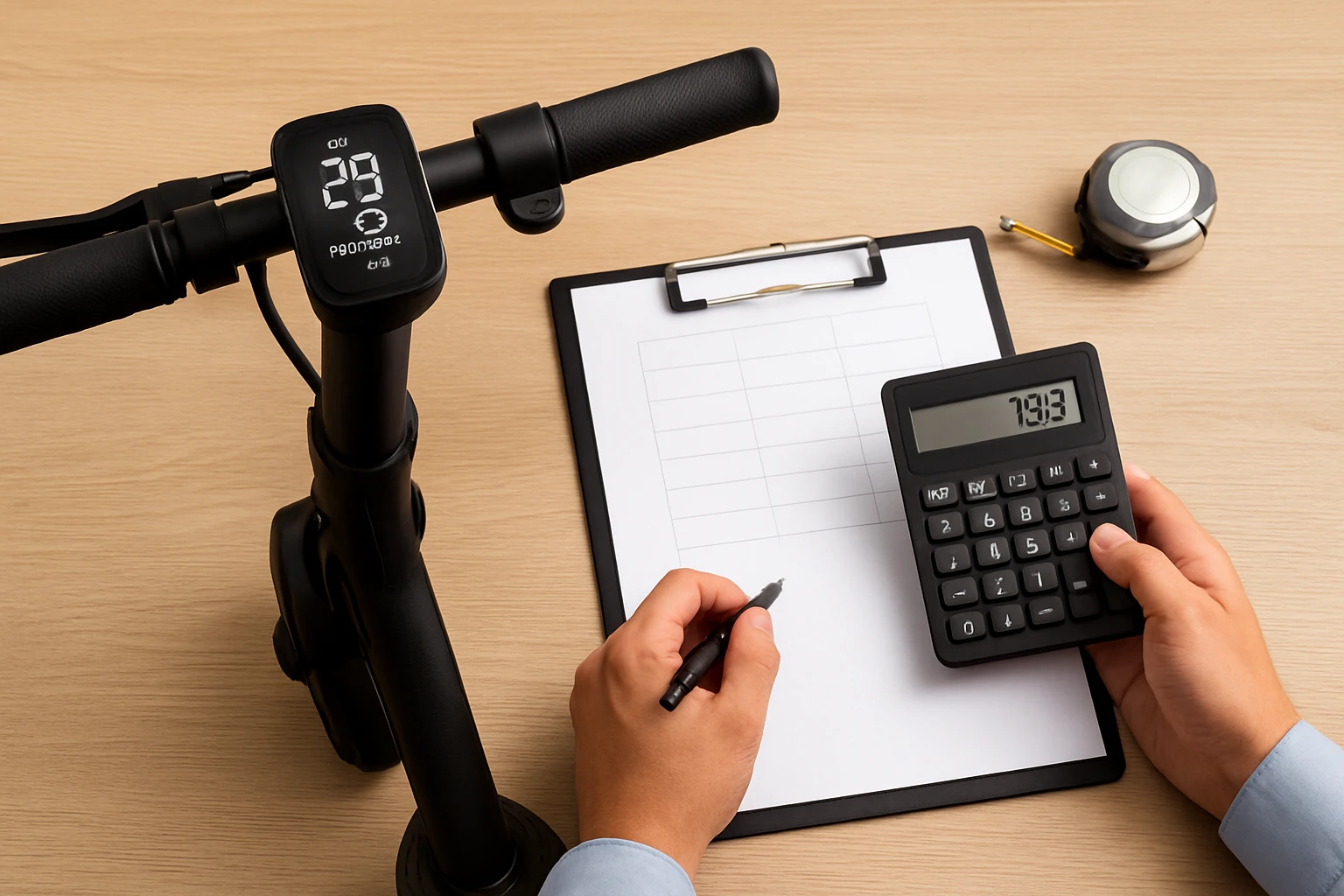
What You'll Need
- A folding e‑scooter with a visible battery specification label.
- A digital multimeter or smartphone battery‑monitoring app.
- Stopwatch or smartphone timer.
- Measuring tape for wheel circumference (optional).
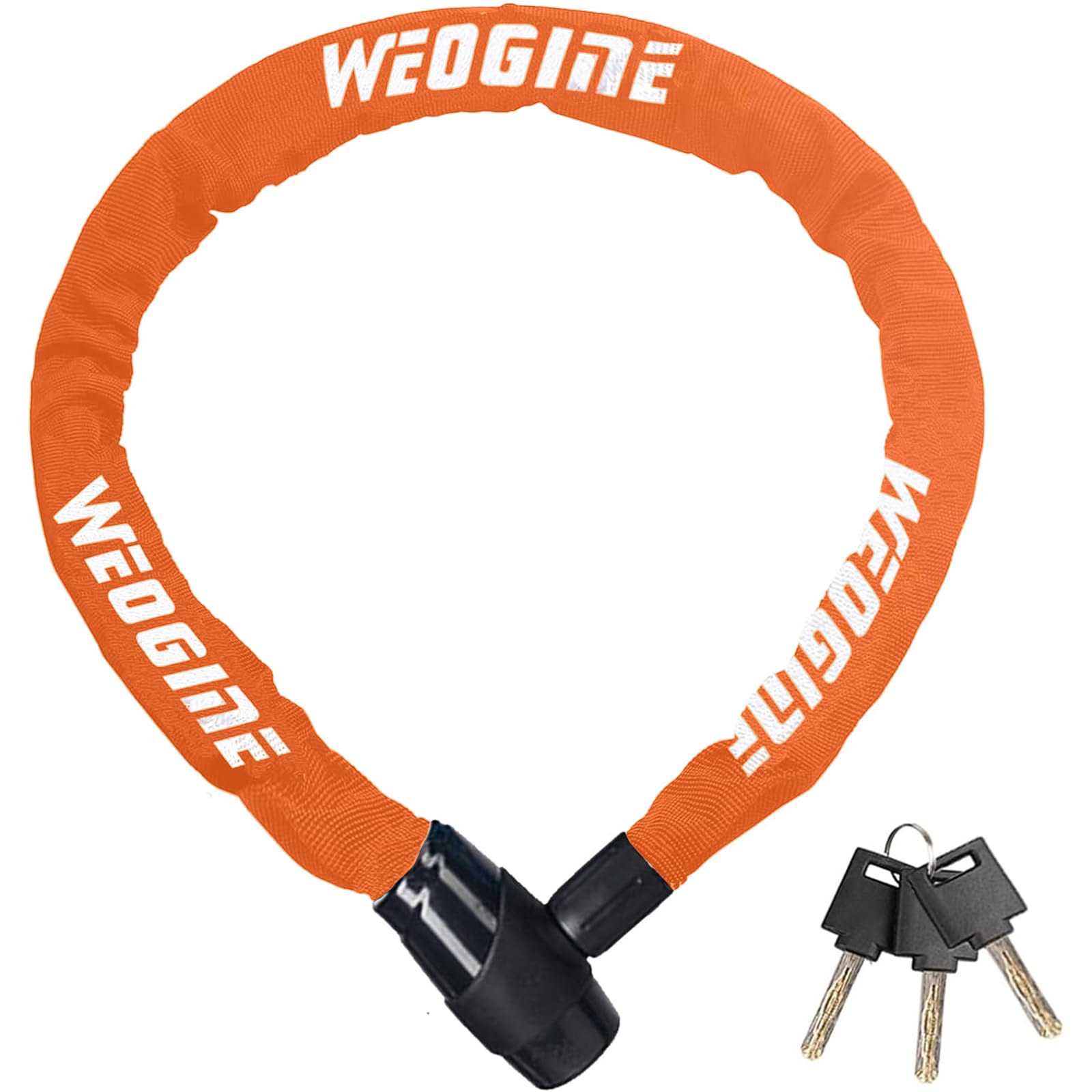
- Safety accessories such as LED Bicycle Scooter Lights and Anti‑Theft Chain Lock to ensure consistent test conditions.
Step‑by‑Step Instructions
Step 1: Record the Manufacturer's Stated Range
The first data point is the range advertised by the scooter manufacturer, usually expressed in kilometers or miles under ideal laboratory conditions. Locate this figure in the user manual or on the product page. Write the value down as the "baseline range"; it will serve as a reference when adjusting for real‑world variables. Note that most manufacturers test with a lightweight rider on flat terrain, so the baseline is typically optimistic.
Step 2: Verify Battery Capacity
Battery capacity is measured in watt‑hours (Wh) and is often printed on the battery pack. If the label is missing, consult the specification sheet online. Use a multimeter to measure the voltage (V) and current (A) while the scooter is at rest; multiply V by Ah to obtain Wh. For example, a 36 V battery with a 10 Ah rating provides 360 Wh of usable energy. This figure will be used in the energy‑consumption calculation.
Step 3: Measure Energy Consumption per Kilometer
To determine how much energy the scooter uses under your typical riding conditions, perform a short test ride of known distance. Choose a flat 2‑kilometer stretch, start the timer, and ride at a comfortable cruising speed without aggressive acceleration. After completing the distance, stop the scooter and record the remaining battery percentage. Convert the percentage drop to Wh using the total battery capacity, then divide by the distance traveled. The result is Wh/km, the core metric for range estimation.
Example: If the battery drops from 100% to 80% after a 2 km ride, the consumption is 20% of 360 Wh = 72 Wh. Dividing 72 Wh by 2 km yields 36 Wh/km.
Step 4: Adjust for Rider Weight and Terrain
Energy consumption increases with rider mass and uneven surfaces. A common rule of thumb adds 1 Wh/km for every additional 10 kg beyond a 70 kg baseline rider. If the rider weighs 90 kg, add 2 Wh/km to the baseline consumption. For hilly routes, increase the consumption by roughly 15 % for each 5% grade encountered. These adjustments create a more realistic consumption figure tailored to the user's typical environment.
Step 5: Incorporate Accessory Power Draw
Auxiliary devices such as lights and electronic locks draw power that reduces the available range. The LED Bicycle Scooter Lights consume approximately 0.5 W per strip when illuminated continuously. Over a 30‑kilometer trip, this adds roughly 15 Wh of consumption, equivalent to a loss of 0.4 km in range for the example above. Similarly, the Anti‑Theft Chain Lock draws negligible power but adds weight, which can be accounted for using the rider‑weight adjustment.
To include these factors, simply add the accessory wattage multiplied by the expected usage hours to the total Wh/km figure before dividing the battery capacity.
Step 6: Calculate the Real‑World Range
With the adjusted consumption (Wh/km) determined, divide the total usable battery energy (Wh) by this number. Using the earlier example, if the adjusted consumption is 38 Wh/km (36 Wh/km baseline + 2 Wh/km rider weight), the real‑world range equals 360 Wh ÷ 38 Wh/km ≈ 9.5 km. This estimate reflects typical riding conditions, accessory usage, and rider characteristics.
Record the final range in a notebook or digital note for future reference, and repeat the test after any major change such as a new battery or additional accessories.
Tips & Pro Tips
- Perform the consumption test on a fully charged battery to avoid skewed results caused by voltage sag.
- Use the Bike Mirror Set to maintain a safe line of sight while measuring speed; better visibility reduces the need for sudden braking, which can artificially increase energy use.
- Keep tire pressure at the manufacturer's recommended level; under‑inflated tires increase rolling resistance and lower range.
- When riding in cold weather, expect a 10‑15 % reduction in range because battery chemistry is less efficient.
- Consider a short “warm‑up” ride before a long trip to bring the battery to its optimal operating temperature.
Troubleshooting
Problem: Calculated range is significantly higher than actual mileage.
Solution: Verify that the battery health is still within specifications; a degraded battery may hold less capacity than printed. Use a multimeter to measure the voltage under load and compare with the nominal voltage.
Problem: Consumption per kilometer appears unusually low.
Solution: Ensure that the timer started only after the scooter was moving and stopped immediately after stopping. Any idle time with lights on will inflate the range estimate.
Conclusion
By following the systematic method outlined above, one can calculate a realistic range for a folding e‑scooter that accounts for battery capacity, rider weight, terrain, and accessory power draw. The guide equips the reader with the tools to plan trips, choose appropriate accessories, and maintain confidence in daily commutes. Accurate range estimation also helps identify when a battery replacement or upgrade is necessary, extending the scooter's useful life. Remember that regular testing and adjustment of variables will keep the calculations relevant as riding habits evolve.
Products Mentioned in This Guide
Frequently Asked Questions
How do I calculate the real‑world range of my folding e‑scooter?
Use the scooter's battery capacity (Wh) divided by the average power consumption (W) measured during a test ride, then multiply by the test duration.
What factors most affect an e‑scooter's range?
Rider weight, terrain incline, speed, wind resistance, tire pressure, and auxiliary accessories like lights or locks.
Do I need special equipment to measure power consumption?
A digital multimeter or a smartphone battery‑monitoring app can record voltage and current, which is enough for a reliable estimate.
How often should I recalculate my scooter's range?
Re‑measure after major changes such as added accessories, battery aging, or significant weight differences.
Can I improve my scooter's range without hardware upgrades?
Yes—maintain proper tire pressure, ride at moderate speeds, reduce wind resistance, and limit accessory usage when possible.

