E‑Scooter Predictive Maintenance: The Ultimate Guide to Sensors & Apps
Predictive maintenance represents a proactive strategy that anticipates component wear before failure occurs. It enables owners to schedule repairs based on data rather than on a fixed mileage schedule. This guide explains the underlying concepts, essential hardware, and software tools that empower e‑scooter riders to maximise uptime. Readers will leave with a clear roadmap for implementing a data‑driven maintenance programme.
Background and Context
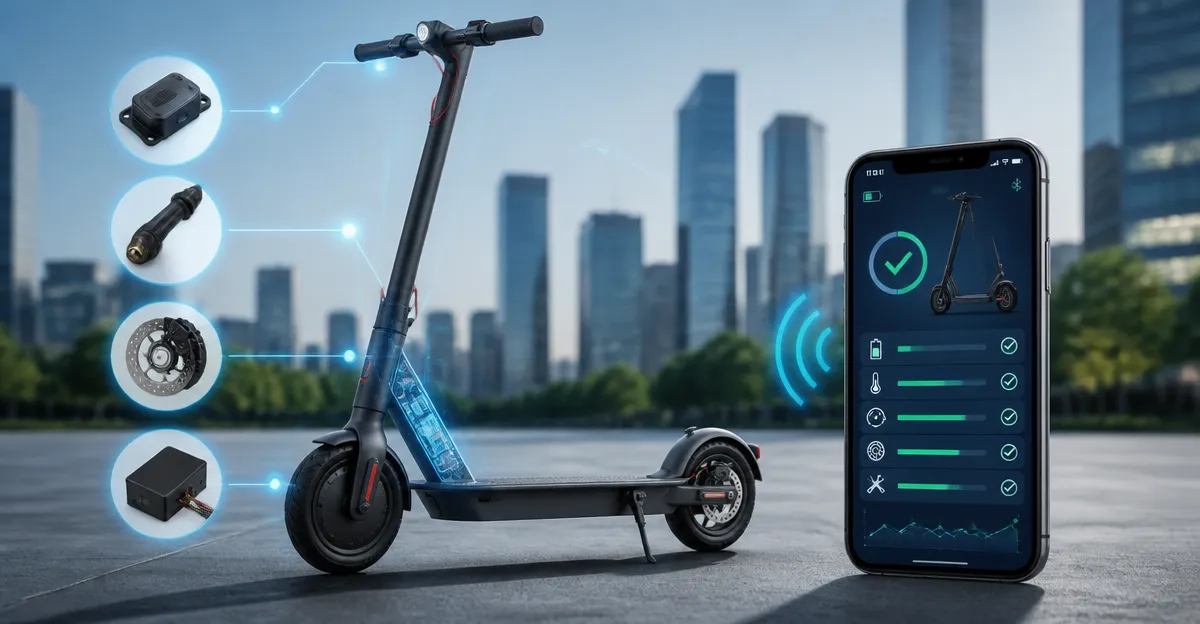
E‑scooters rely on a combination of mechanical parts, electrical systems, and software controls. While modern units incorporate basic diagnostics, most manufacturers expose only limited information to the rider. Understanding the failure modes of brakes, batteries, and structural components provides the foundation for effective prediction. Sensors collect real‑time metrics such as vibration, temperature, and load, which are then analysed by algorithms to forecast degradation.
Historically, maintenance schedules for two‑wheel vehicles have been calendar‑based, leading to unnecessary part replacement or unexpected breakdowns. Predictive maintenance replaces guesswork with evidence, reducing downtime and extending the service life of expensive components. The approach aligns with the broader Internet of Things (IoT) trend, where everyday devices communicate status to cloud‑based platforms.
Key Sensors for E‑Scooter Health
Accurate data collection begins with the selection of appropriate sensors. The most common types include accelerometers for vibration analysis, thermistors for temperature monitoring, and strain gauges for load detection. Each sensor translates a physical phenomenon into an electrical signal that can be processed by a microcontroller.
For mechanical fasteners, reliable attachment is essential to preserve sensor calibration. The Fukaisu Front Head Hex Screws provide a stainless‑steel solution that resists corrosion and loosening under vibration. The package contains four screws and a hex wrench, allowing users to replace worn head screws quickly. Rated 5 out of 5 stars by three reviewers, these screws cost $4.99 and are marketed as a direct replacement for the M365 front head.
Secure mounting of a kickstand also contributes to sensor stability, especially when the scooter is parked on uneven surfaces. The SNOUHAE 5.4‑in Kickstand is fabricated from aluminum alloy, offering resistance to warping and rust. It features a heavy‑duty spring and an enlarged ground contact surface (1 × 2 cm) that improves stability during data collection. With a rating of 4.3 out of 5 stars from 489 reviews, the kickstand is priced at $9.99.
Wheel condition directly influences vibration signatures. The YINCL Solid Scooter Tires eliminate puncture risk, providing a consistent rolling surface that simplifies vibration analysis. Each 8.5‑inch solid tire costs $25.64 for a two‑pack and holds a 4.5‑star rating from 40 reviewers. The honeycomb design offers shock absorption while maintaining a stable contact patch.
Software Platforms and Apps
Collected sensor data must be transmitted to an application that can interpret trends and issue alerts. Popular platforms include open‑source solutions such as Node‑RED, commercial services like Blynk, and dedicated e‑scooter apps that integrate with Bluetooth modules. These apps typically display battery health, motor temperature, and error codes in real time.
When choosing an app, consider the following criteria: data latency, customisation options, and compatibility with the scooter’s firmware. An app that supports webhook integration enables users to forward alerts to messaging services such as Telegram or Slack, creating a rapid response loop.
For riders who prefer a turnkey experience, several manufacturers offer proprietary cloud dashboards. These dashboards often include predictive algorithms that analyse historical data to estimate remaining useful life for critical components. However, they may lock the user into a specific ecosystem, limiting hardware flexibility.
Integrating Hardware with Software
Successful predictive maintenance requires seamless communication between sensors and the chosen software platform. A typical architecture consists of a microcontroller (e.g., ESP32) that reads sensor values, formats them as JSON, and transmits them via Wi‑Fi or Bluetooth Low Energy (BLE). The microcontroller firmware should implement error handling to avoid data loss during intermittent connectivity.
Power management is a critical consideration. Sensors and communication modules draw current from the scooter’s battery, potentially reducing range. Selecting low‑power components and employing duty‑cycling—where the sensor awakens at predefined intervals—mitigates this impact.
Once data reaches the cloud, machine‑learning models can be trained to recognise patterns that precede failure. For example, a gradual increase in vibration amplitude at a specific frequency may indicate bearing wear. Users can configure thresholds that trigger email or push notifications, prompting timely part replacement.
Comparison and Selection Guide
| Component | Key Feature | Price | Rating | Best For |
|---|---|---|---|---|
| Fukaisu Front Head Hex Screws | Stainless‑steel, includes hex wrench, anti‑wear coating | $4.99 | 5/5 (3 reviews) | Replacing loose front head bolts |
| SNOUHAE 5.4‑in Kickstand | Aluminum alloy, heavy‑duty spring, 75° stability angle | $9.99 | 4.3/5 (489 reviews) | Improving parking stability for sensor mounting |
| YINCL Solid Scooter Tires | Anti‑puncture solid rubber, honeycomb shock absorption | $25.64 (2‑pack) | 4.5/5 (40 reviews) | Consistent wheel dynamics for vibration analysis |
Best Practices & Tips
- Perform a visual inspection of all fasteners weekly; replace any that show signs of corrosion or loosening.
- Calibrate sensors after any mechanical repair to ensure data accuracy.
- Store solid tires in a cool, dry environment to prevent rubber hardening before installation.
- Use the included hex wrench from the Fukaisu kit to avoid over‑torquing screws, which can strip threads.
- Mount the kickstand on a level surface during data collection to avoid skewed load readings.
- Schedule firmware updates for the microcontroller to benefit from improved power‑management algorithms.
- Maintain a log of maintenance actions alongside sensor data; this historical context improves predictive model reliability.
Frequently Asked Questions
- How often should I replace the front head screws on my M365?
- Replacement is recommended when visual inspection reveals rust, stripping, or repeated loosening. The Fukaisu Front Head Hex Screws are designed for a one‑time permanent fix.
- Can I use the SNOUHAE kickstand on scooters other than the M365?
- Yes, the kickstand lists compatibility with M365, 1S, Essential, Pro, Pro2, and Scooter 3 models, making it a versatile accessory for many popular e‑scooters.
- Do solid tires affect ride comfort compared with pneumatic tires?
- Solid tires provide a firmer ride but incorporate honeycomb structures that absorb shocks, offering a balance between comfort and puncture resistance.
- What is the typical data transmission interval for predictive maintenance sensors?
- Intervals of 5 to 15 minutes are common; shorter intervals increase granularity but consume more battery power.
- Is it necessary to use screw glue with the Fukaisu screws?
- While not required, applying a thread‑locking adhesive can prevent screws from loosening under prolonged vibration.
Conclusion
Predictive maintenance transforms e‑scooter ownership from reactive repairs to proactive stewardship. By deploying reliable sensors, integrating them with intelligent software, and selecting durable hardware components, riders can extend vehicle lifespan and enjoy safer journeys. The products highlighted in this guide—Fukaisu Front Head Hex Screws, SNOUHAE 5.4‑in Kickstand, and YINCL Solid Scooter Tires—address common mechanical weak points that influence data quality. Implementing the best‑practice tips will further enhance the effectiveness of any predictive maintenance programme.
Products Featured in This Guide
Fukaisu Front Head Hex Screws
Price: $4.99
Rating: 5/5 (3 reviews)
Featured because reliable fasteners prevent vibration‑induced sensor drift and ensure long‑term structural integrity.
SNOUHAE 5.4‑in Kickstand
Price: $9.99
Rating: 4.3/5 (489 reviews)
Featured because a stable parking position reduces false vibration readings and protects sensor mounts during idle periods.
YINCL Solid Scooter Tires
Price: $25.64 (2‑pack)
Rating: 4.5/5 (40 reviews)
Featured because solid tires provide a consistent rolling surface, simplifying vibration‑based wear detection and eliminating puncture‑related downtime.