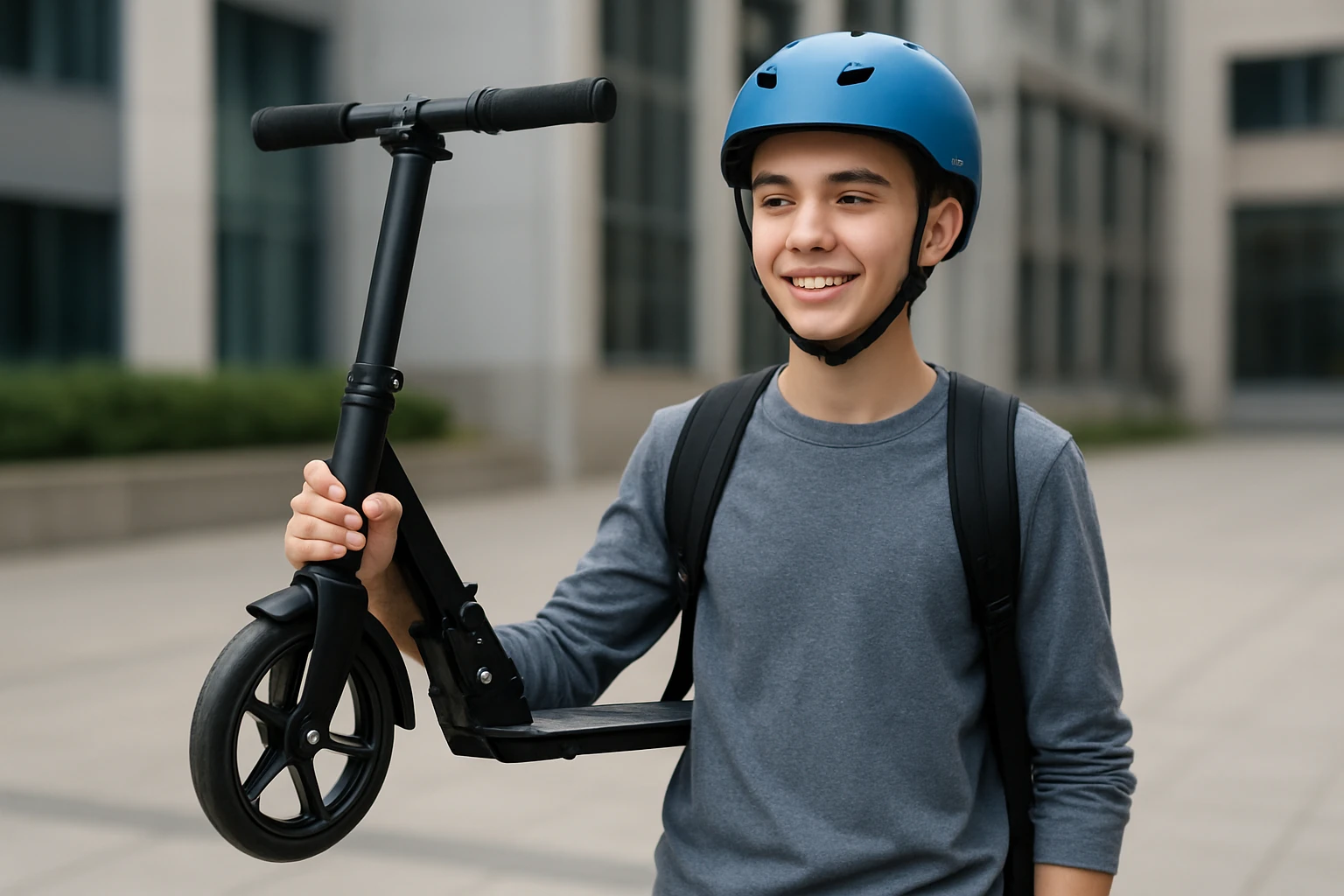
Folding Scooter Buying Guide for Teens: How to Choose the Best Lightweight, Safe & Durable Model
Introduction
This guide explores the critical considerations when selecting a folding scooter for teenagers. Readers will understand the balance between weight, safety features, durability, and portability. The article also highlights a specific model that exemplifies these qualities. By the end, one will be equipped to make an informed purchase decision.
Background and Context
Folding scooters have evolved from simple children’s toys into versatile transportation tools for urban commuters. Modern designs incorporate alloy frames, shock‑absorbing wheels, and ergonomic brakes. For teens, the scooter must accommodate rapid growth, varied terrain, and daily usage patterns. Understanding the terminology—such as weight capacity, adjustable handlebars, and fold‑mechanism type—prevents confusion during the shopping process.
Key Factors to Evaluate
1. Weight and Portability
A lightweight scooter reduces fatigue during rides and simplifies storage in apartments or car trunks. Look for models under 10 pounds, as they are easier for a teenager to lift unassisted. The folding mechanism should be tool‑free, allowing quick transitions between riding and carrying.
2. Load Capacity and Build Quality
Teens can weigh between 80 and 150 pounds, so a scooter with a minimum 200‑pound capacity offers a safety margin. Steel or reinforced aluminum frames provide the necessary rigidity without excessive weight. Reinforced joints and high‑grade welds extend the product’s lifespan.
3. Adjustable Handlebars
Adjustable handlebars grow with the rider, ensuring comfortable posture and optimal control. A three‑position adjustment range between 35.8 and 40 inches accommodates pre‑teens and older adolescents. Locking mechanisms must be secure to prevent slippage during high‑speed maneuvers.
4. Wheel Size and Shock Absorption
Bigger wheels—typically 120 mm to 180 mm—smooth out uneven pavement and reduce vibration. Polyurethane tires with a shock‑absorbing core enhance grip on wet surfaces while protecting the rider’s joints. A rear fender brake offers reliable stopping power without compromising wheel integrity.
5. Safety Features
Safety begins with a sturdy rear brake and non‑slip footplate. Additional considerations include reflective accents for low‑light visibility and a kickstand that prevents accidental toppling. Protective gear such as helmets and knee pads should always be recommended.
Product Recommendation
The Welmotive Kick Scooter embodies the principles outlined above. It supports up to 220 lb, features three adjustable height settings, and folds without tools. Weighing only 8.8 lb, it offers exceptional portability for teen commuters.
Comparison and Selection Guide
When comparing models, create a matrix that rates each scooter on weight, load capacity, adjustability, wheel diameter, and safety features. Assign a score from 1 to 5 for each criterion, then calculate a total. The scooter with the highest aggregate score typically provides the best overall value.
| Feature | Welmotive Kick Scooter | Typical Competitor |
|---|---|---|
| Weight | 8.8 lb | 10‑12 lb |
| Load Capacity | 220 lb | 200 lb |
| Handlebar Positions | 3 (35.8"‑40") | 2 (36"‑38") |
| Wheel Diameter | 120 mm | 100 mm |
| Brake Type | Rear fender brake | Rear foot brake |
Based on this comparison, the Welmotive model excels in weight, capacity, and adjustability, making it a strong candidate for teen riders.
Best Practices & Tips for Teen Riders
- Inspect the scooter before each ride; check brake function and tighten any loose bolts.
- Adjust the handlebars to a height where the rider’s elbows are slightly bent when gripping the handles.
- Ride on smooth surfaces initially to build confidence before tackling rough pavement.
- Always wear a certified helmet, knee pads, and elbow pads to mitigate injury risk.
- Store the scooter in a dry environment; moisture can corrode steel components over time.
- Teach teens the proper folding technique: release the latch, collapse the frame, then secure the lock.
Frequently Asked Questions
- What is the ideal weight for a teen’s folding scooter? A scooter under 10 lb provides a good balance between durability and ease of transport for most teenagers.
- Can a teen use a scooter designed for adults? Yes, provided the scooter’s load capacity exceeds the rider’s weight and the handlebars are adjustable to a comfortable height.
- How often should the brake be serviced? Inspect the brake monthly; replace worn pads or cables immediately to maintain reliable stopping power.
- Is a larger wheel better for city riding? Larger wheels improve ride smoothness on uneven pavement, but they may add a small amount of weight.
- Can the scooter be taken on public transportation? Most folding scooters under 9 lb fit in bus or train luggage areas; always verify carrier policies beforehand.
- What protective gear is essential? A full‑face helmet, knee pads, elbow pads, and wrist guards are recommended for maximum safety.
- How long does a typical scooter last? With regular maintenance, a high‑quality steel frame scooter can last five years or more.
Conclusion
Choosing the right folding scooter for teens requires careful assessment of weight, load capacity, adjustability, and safety features. By applying the comparison matrix and following the best‑practice tips, parents and teens can select a model that supports healthy activity and reliable daily commuting. The Welmotive Kick Scooter demonstrates how a well‑engineered product can meet these demands while remaining lightweight and affordable.
Products Featured in This Guide
Welmotive Kick Scooter
Price: Not listed
Rating: Not listed
Why featured: It offers a 220 lb capacity, three adjustable handlebar heights, a lightweight 8.8 lb frame, and a tool‑free folding mechanism—key attributes for teen riders seeking safety, durability, and portability.