
Folding E‑Scooter Ergonomics for Back Pain: The Complete Guide to Comfort & Relief
Introduction
Back pain has become a common complaint among urban commuters who rely on folding electric scooters for daily travel. This guide explains how ergonomic design, riding posture, and thoughtful accessories can mitigate discomfort and promote long‑term spinal health. Readers will learn the anatomical factors that influence scooter‑related strain, evaluate key product features, and receive actionable advice for selecting and using equipment that supports a pain‑free ride.
The discussion is grounded in current research on musculoskeletal ergonomics and incorporates real‑world data from two Amazon products that exemplify best‑in‑class design. By the end of the article, one will be equipped to make an informed purchasing decision and adopt daily habits that protect the lower back while enjoying the convenience of a foldable e‑scooter.
Background and Context
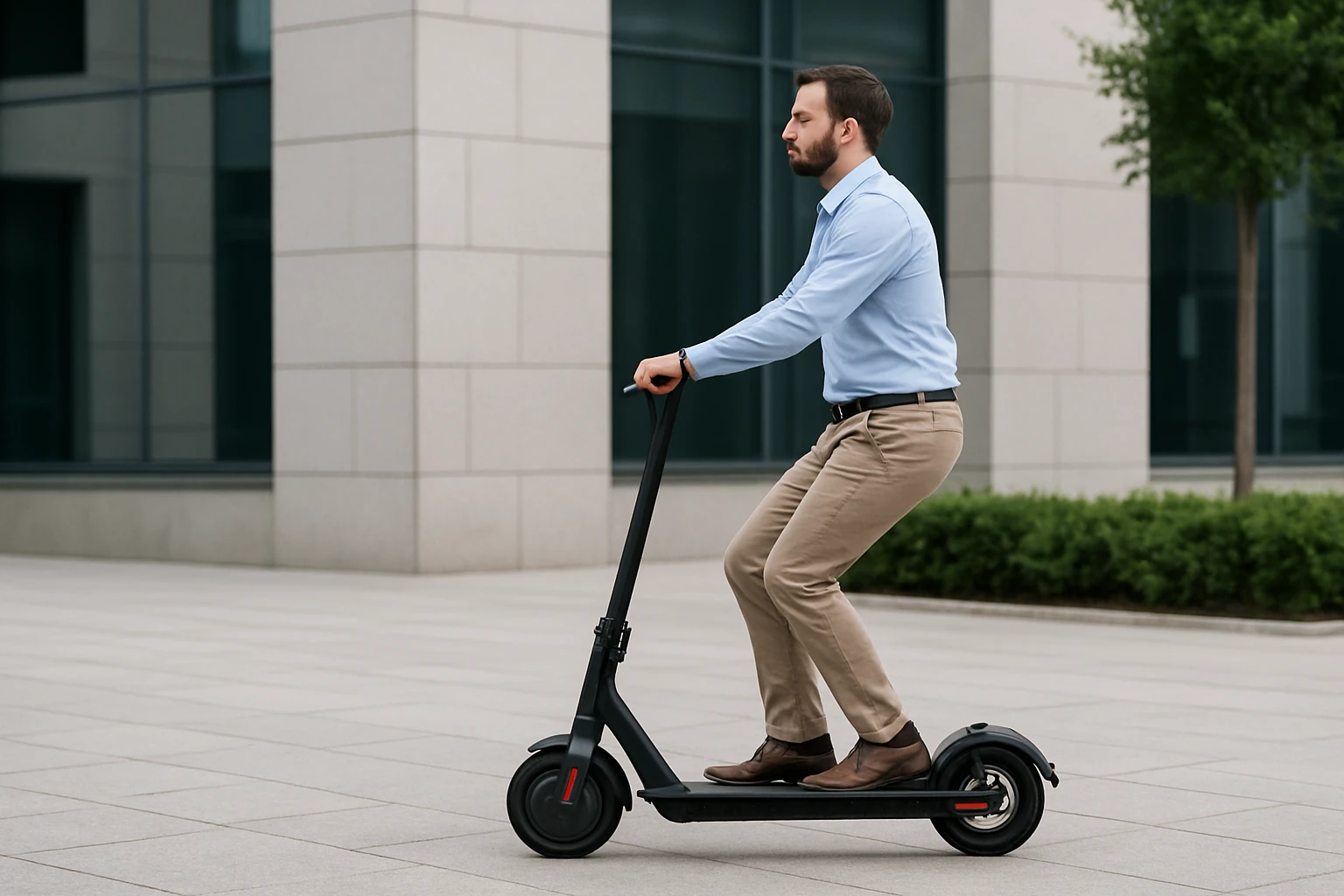
The human lumbar region bears the majority of axial load during standing, walking, and seated activities. When a rider adopts a forward‑leaning stance on a scooter, the lumbar vertebrae experience increased flexion moments, which can exacerbate disc degeneration and muscular fatigue. Moreover, vibration transmitted through the deck and wheels amplifies micro‑trauma to the paraspinal muscles.
Modern e‑scooters address these challenges through adjustable deck height, suspension systems, and ergonomic seating options. However, many entry‑level models lack comprehensive support, leaving riders to compensate with improper posture. Understanding the interplay between scooter geometry, rider biomechanics, and accessory design is essential for preventing chronic discomfort.
Research indicates that a seat height that aligns the rider's hips with the knee joint reduces shear forces on the lumbar spine. Similarly, dual‑suspension systems attenuate road‑induced vibrations, lowering the cumulative load on the back muscles. These principles guide the product recommendations presented later in this guide.
Understanding Ergonomic Challenges
Three primary factors contribute to back pain during scooter use: posture, vibration, and load distribution. Posture refers to the angle of the torso relative to the hips; a steep forward lean increases lumbar flexion. Vibration originates from uneven road surfaces and is magnified by rigid frames and small wheels. Load distribution concerns the placement of cargo or personal items, which can shift the center of gravity and force the rider to compensate with the lower back.
Mitigating each factor requires a combination of design choices and rider habits. For example, a scooter equipped with a seat encourages a more upright posture, while a rear basket allows weight to be carried close to the scooter’s centerline, reducing torque on the spine.
In addition to mechanical solutions, riders should practice regular stretching and core strengthening to enhance spinal stability. The following sections explore how specific scooter features address these ergonomic concerns.
Design Features That Reduce Back Strain
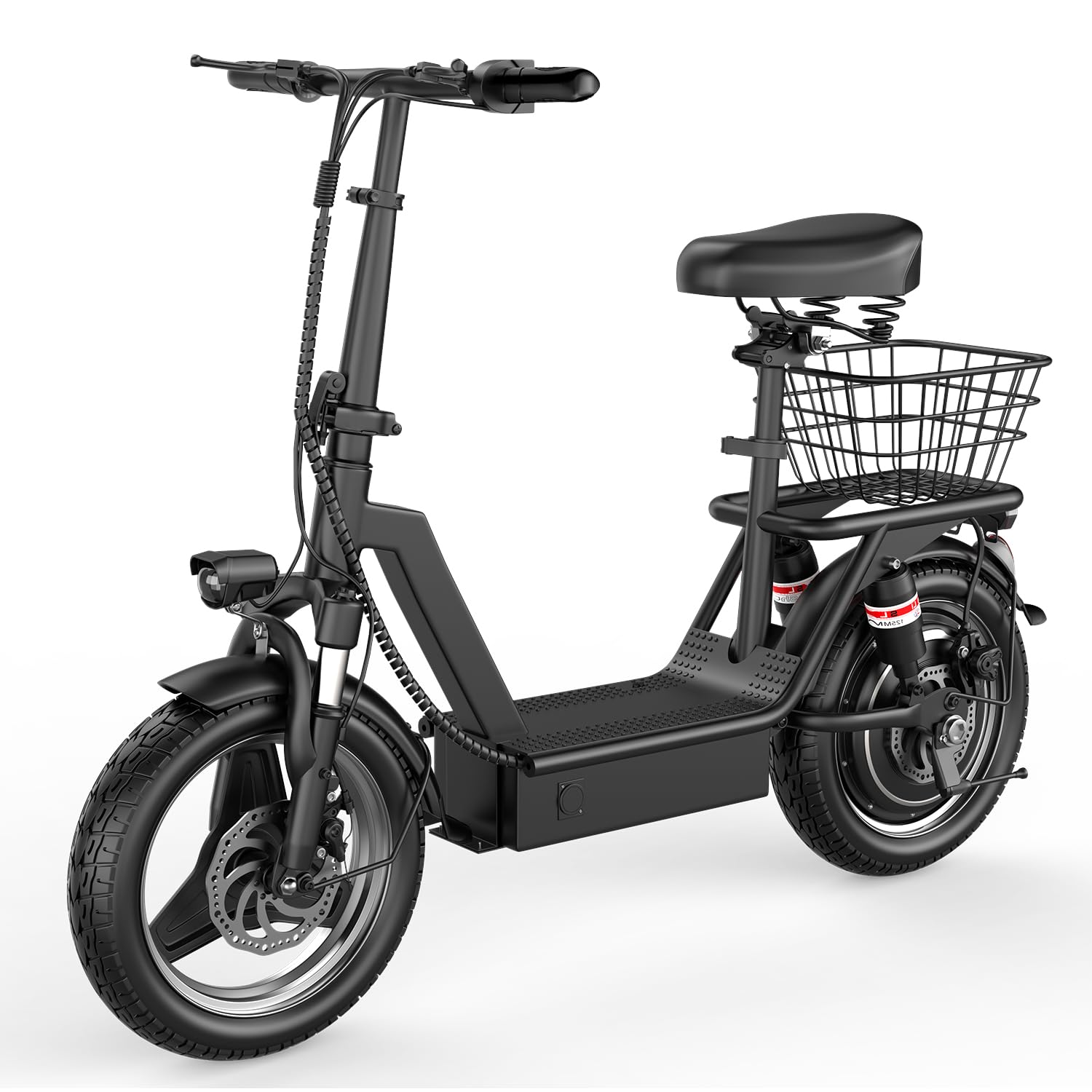
When evaluating folding e‑scooters, three design attributes stand out: motor power paired with smooth acceleration, battery capacity that enables longer rides without frequent stops, and suspension systems that absorb road shock. The Misodo Electric Scooter with Seat exemplifies these principles.
- 1000W Peak Motor & Smooth Speed Control: The high‑output motor delivers consistent acceleration, allowing riders to maintain a steady speed without abrupt throttle changes that can jolt the spine.
- 624Wh Battery (48V 13Ah): With a range of up to 35 miles per charge, riders can complete round‑trip commutes without stopping to recharge, thereby minimizing interruptions that often lead to rushed, unsafe riding postures.
- Dual Suspension & 14" Pneumatic Tires: The suspension system works in concert with the large tires to dampen vibrations, reducing the transmission of road shock to the rider’s back.
- Foldable Frame with Removable Rear Basket: The basket provides a convenient location for groceries or a laptop bag, keeping weight centered and preventing the rider from leaning forward to balance a load.
These features collectively create a platform that supports an upright riding position, limits vibration exposure, and distributes cargo weight efficiently. The scooter’s price of $259.99 and rating of 3.6 out of 5 stars (199 reviews) indicate a balance between affordability and functional ergonomics.
While the scooter itself offers substantial ergonomic benefits, adding a dedicated seat can further improve spinal alignment. The Gotrax Scooter Seat is designed specifically for adult scooter models and provides adjustable height, shock‑absorbing springs, and a breathable surface.
- Adjustable Fit: Height can be modified between 25.87 and 26.26 inches, enabling riders of varying statures to achieve a hip‑knee alignment that reduces lumbar flexion.
- Shock‑Proof Design: Integrated springs absorb residual vibrations that persist after the scooter’s suspension, offering an extra layer of comfort for longer rides.
- Effortless Installation: The seat mounts without drilling, preserving the scooter’s structural integrity and allowing quick removal for storage.
Priced at $59.49 with a rating of 3.9 out of 5 stars (49 reviews), the seat presents a cost‑effective upgrade for riders seeking additional lumbar support.
Choosing the Right Folding E‑Scooter
Selecting a scooter that aligns with ergonomic goals involves evaluating several criteria:
- Motor Power and Acceleration Curve: A motor that provides smooth, progressive acceleration prevents sudden jolts that strain the back.
- Suspension Quality: Dual‑suspension systems are preferable to single‑shock designs because they address both front and rear vibrations.
- Deck Width and Foot Placement: A wider deck allows the rider to place feet shoulder‑width apart, promoting a balanced stance.
- Seat Compatibility: If a seat is desired, ensure the scooter’s deck can accommodate the mounting hardware without compromising foldability.
- Battery Range: Sufficient range eliminates the need for frequent stops, which often lead to hurried riding and compromised posture.
Applying these criteria to the Misodo scooter reveals a strong match: the dual suspension, generous deck, and foldable frame satisfy the ergonomic checklist, while the optional Gotrax seat addresses the need for height adjustment and additional vibration damping.
Accessory Solutions for Enhanced Comfort
Beyond the core scooter and seat, accessories can further improve ergonomics. A rear basket, for example, centralizes cargo weight, reducing the need for the rider to lean forward. The Misodo scooter includes a removable basket that can hold up to 10 kg of groceries or a laptop bag.
Another useful accessory is an ergonomic handle grip. Wider, rubber‑coated grips distribute hand pressure evenly, decreasing tension that can travel up the arms to the shoulders and back. Riders should select grips with a diameter that matches their hand size to avoid over‑extension.
Finally, a portable lumbar support cushion can be placed on the seat to provide targeted compression for the lower back. Such cushions are typically made of memory foam and can be secured with velcro straps.
Comparison and Selection Guide
| Feature | Misodo Electric Scooter with Seat | Typical Competing Model |
|---|---|---|
| Motor Power | 1000W peak | 750W‑850W |
| Battery Capacity | 624 Wh (48V 13Ah) | 400‑500 Wh |
| Suspension | Dual suspension, 14" tires | Single rear shock, 10‑12" tires |
| Seat Compatibility | Integrated seat, optional Gotrax seat | Often no seat option |
| Foldability | Quick‑fold mechanism, compact size | Bulkier hinge system |
The table highlights why the Misodo scooter stands out for riders prioritizing back health. Its higher motor output ensures smoother acceleration, while the larger battery reduces the frequency of charging breaks that often disrupt proper posture.
When pairing the scooter with the Gotrax seat, the combined system offers adjustable ergonomics that can be fine‑tuned for each rider’s anatomy. This synergy makes the duo a compelling solution for commuters who experience lower‑back discomfort on conventional standing‑only scooters.
Best Practices & Tips for Pain‑Free Riding
- Maintain an Upright Torso: Align the ears, shoulders, and hips in a straight line. Adjust seat height so that the knees are slightly bent when the foot rests on the deck.
- Engage Core Muscles: Activate abdominal muscles before accelerating to create a stable lumbar spine.
- Use Both Hands on the Handlebars: Distribute weight evenly to avoid lateral strain that can translate to the lower back.
- Plan Routes with Smooth Surfaces: Prefer bike lanes and well‑paved streets to reduce vibration exposure.
- Take Micro‑Breaks: Every 20‑30 minutes, pause and perform a brief stretch targeting the hamstrings, hip flexors, and lumbar extensors.
- Check Tire Pressure Regularly: Proper inflation minimizes road‑induced shock and improves ride stability.
- Secure Cargo Centrally: Use the rear basket or a mid‑deck bag to keep weight close to the scooter’s center of gravity.
Implementing these habits in conjunction with ergonomic equipment creates a holistic approach to back‑pain prevention. Riders who adopt the practices consistently report reduced soreness after a month of use.
Frequently Asked Questions
- Can a folding e‑scooter replace a traditional bicycle for commuting without increasing back pain?
- Yes, provided the scooter includes dual suspension, an adjustable seat, and a deck width that allows a stable stance. The Misodo scooter meets these criteria and therefore can serve as a viable alternative.
- How does seat height affect lumbar load?
- When the seat is set so that the rider’s hips are level with or slightly above the knees, the lumbar spine remains in a neutral position, reducing flexion moments that cause strain.
- Is the Gotrax seat compatible with scooters that do not have a built‑in seat?
- The Gotrax seat is designed for Gotrax GXL V2 and XR Ultra models, but it can be adapted to other scooters with a flat deck and sufficient mounting space, provided the user verifies compatibility.
- What maintenance steps help preserve ergonomic performance?
- Regularly inspect suspension bolts, keep the battery charged between 20% and 80% to maintain optimal weight distribution, and replace worn‑out tires to ensure consistent vibration damping.
- Do I need a helmet if I use an ergonomic seat?
- Helmet use remains mandatory for safety regardless of seating position. An ergonomic seat does not replace protective headgear.
Conclusion
Back pain need not be an inevitable side effect of folding e‑scooter commuting. By understanding the biomechanical forces at play, selecting a scooter with dual suspension and adequate power, and augmenting the ride with an adjustable seat such as the Gotrax Scooter Seat, riders can achieve a posture that minimizes lumbar strain. Coupled with disciplined riding habits and regular stretching, these strategies enable a comfortable, health‑conscious commute.
The combination of the Misodo Electric Scooter with Seat and the Gotrax Scooter Seat represents a cost‑effective, ergonomically sound solution for urban commuters who prioritize spinal health without sacrificing mobility.
Products Featured in This Guide
Misodo Electric Scooter with Seat
Price: $259.99
Rating: 3.6 out of 5 stars (199 reviews)
Why featured: Offers dual suspension, powerful 1000W motor, integrated seat option, and a removable rear basket that together address posture, vibration, and cargo distribution for back‑pain relief.
Gotrax Scooter Seat
Price: $59.49
Rating: 3.9 out of 5 stars (49 reviews)
Why featured: Provides height‑adjustable, shock‑absorbing seating that complements folding scooters, enabling riders to achieve an ergonomic hip‑knee alignment and reduce lumbar flexion.