Introduction
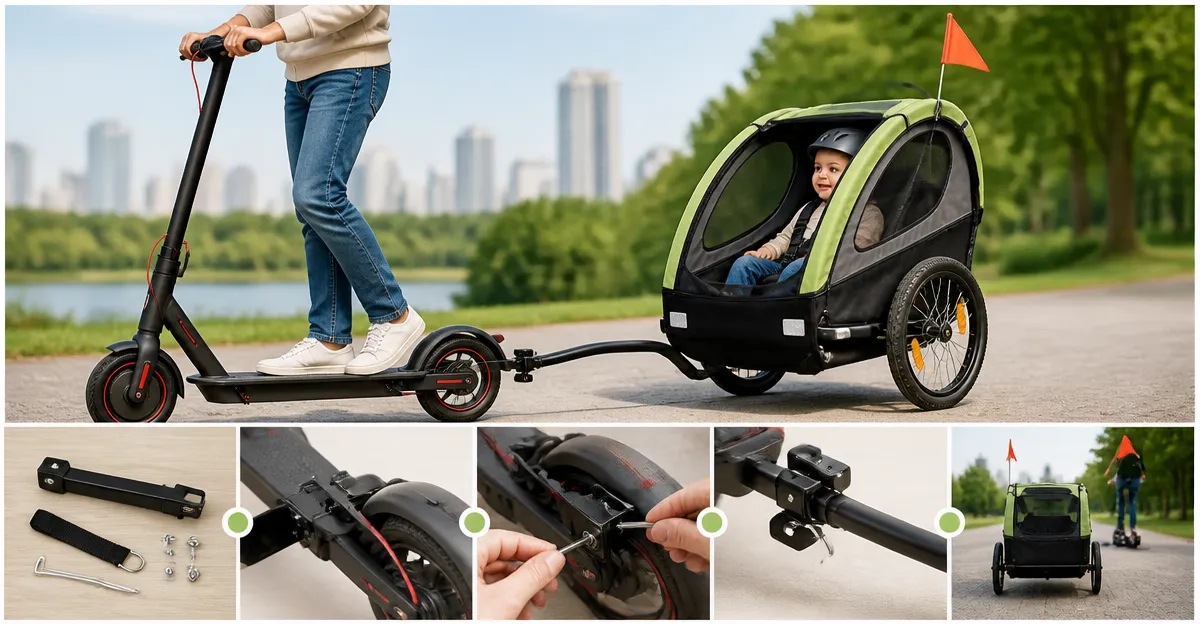
One will discover how to transform a folding e‑scooter into a practical stroller‑style tow for a toddler. The guide explains each phase, from selecting appropriate equipment to testing stability before the first ride. By following the instructions, one can enjoy outdoor outings while keeping a child safe and comfortable. The value of this conversion lies in reduced reliance on a separate stroller and increased flexibility during errands or park visits.
What You'll Need
- A lightweight folding e‑scooter with a rear axle that can accommodate a hitch adapter.
- PEXMOR Foldable Bike Cargo Trailer – US$79.99, 4.3/5 rating (249 reviews).
- Universal Bike Trailer Hitch Connector – US$9.99, 4.6/5 rating (68 reviews).
- Basic hand tools: Allen wrench set, screwdriver, and a 19 mm wrench.
- Reflective safety tape and a set of tie‑down straps.
Step 1: Assess Compatibility and Prepare the Scooter
One should first verify that the e‑scooter frame includes a rear axle with a standard 10 mm bolt hole, which is required for the hitch connector. If the axle uses a nut instead of a bolt, one may need to replace it with a compatible bolt; this ensures a secure attachment point. The scooter must be fully folded and placed on a stable surface to prevent movement during installation. Safety inspection at this stage prevents damage to the scooter and guarantees that the later steps will proceed smoothly.
Step 2: Install the Universal Bike Trailer Hitch Connector
The Universal Bike Trailer Hitch Connector serves as the critical interface between the scooter and the cargo trailer. Using a 19 mm wrench, one tightens the connector onto the rear axle bolt, ensuring that the steel construction resists bending under load. The connector’s 10 mm quick‑install design allows for rapid attachment and detachment, which is valuable for users who alternate between scooter‑only travel and towing mode. Because the connector is not designed for e‑bikes, it is essential to confirm that the scooter’s motor does not exceed the recommended speed limit of 15 mph while towing.
Step 3: Attach the PEXMOR Foldable Bike Cargo Trailer
One now connects the PEXMOR Foldable Bike Cargo Trailer to the hitch connector by inserting the trailer’s universal hitch pin and securing it with the provided locking mechanism. The trailer’s steel tube frame with anti‑rust powder coating offers durability, while the reinforced PE bottom provides a large‑capacity platform capable of holding up to 90 kg. The 16‑inch air‑filled wheels deliver a smooth ride over pavement and light gravel, reducing vibration transmitted to the child. Folding the trailer after each use saves storage space, a feature especially useful for apartment dwellers.
Step 4: Enhance Visibility with Reflectors and Safety Tape
Safety is paramount when towing a child, therefore one should affix additional reflective tape to both the trailer and the scooter’s rear. The PEXMOR trailer already includes red and yellow reflectors, but supplementing them with high‑visibility tape ensures compliance with local traffic regulations. Apply the tape in a spiral pattern around the trailer’s frame and along the scooter’s deck, making sure it does not interfere with moving parts. This step improves visibility during dawn, dusk, or inclement weather, thereby protecting the child and the operator.
Step 5: Secure the Child Seat or Cushion
One may install a toddler seat or a padded cushion directly on the trailer’s flat platform, using the built‑in tie‑down points to anchor the seat with sturdy straps. The trailer’s 90 kg load capacity comfortably accommodates a child up to 30 kg, plus additional gear such as a diaper bag. Ensure that the seat’s harness is fastened correctly and that the child’s feet rest on the trailer’s side rails to prevent slipping. Regularly inspect the straps for wear and replace them if fraying occurs.
Step 6: Perform a Load Balance Check
Before the first outing, one should conduct a load balance test by gently pulling the scooter while the trailer is loaded with the child seat. Observe whether the trailer tracks straight behind the scooter or veers to one side; any deviation indicates an uneven weight distribution. Adjust the cargo placement or reposition the child seat until the trailer follows a stable line. This verification step minimizes the risk of sudden swerves that could startle the child.
Step 7: Test Ride in a Controlled Environment
One should begin with a short ride in a low‑traffic area such as a parking lot, maintaining a speed below 10 mph. Gradually increase speed while monitoring the trailer’s attachment integrity and the child’s comfort. Listen for unusual noises from the hitch connector, which may signal loosening. If any issues arise, stop immediately, re‑tighten the connector, and reassess the load distribution.
Tips & Pro Tips
- Use a lightweight toddler seat to stay well within the trailer’s 90 kg limit, preserving scooter handling.
- Carry a small portable tool kit, including an extra 19 mm wrench, to address any on‑the‑go adjustments.
- Apply silicone spray to the hitch pin to prevent corrosion and ensure smooth insertion.
- Schedule routine inspections of the trailer’s wheels, reflectors, and hitch connector before each use.
Troubleshooting
- Trailer wobbles excessively: Re‑check the tightness of the hitch connector and ensure the axle bolt is not stripped.
- Child feels excessive vibration: Inflate the trailer’s wheels to the recommended pressure and consider adding a foam pad beneath the seat.
- Connector does not fit the scooter axle: Verify that the axle diameter matches the 10 mm specification; if not, use a compatible adapter or select a different scooter model.
Conclusion
One now possesses a complete, safe system for converting a folding e‑scooter into a stroller‑style toddler tow. By following the step‑by‑step instructions, selecting the appropriate cargo trailer and hitch connector, and adhering to safety practices, one can enjoy versatile outings with a child securely attached. The conversion offers a cost‑effective alternative to purchasing a dedicated stroller, while maintaining the convenience of a compact, foldable scooter. Continued maintenance and periodic safety checks will ensure long‑term reliability and peace of mind.
Products Mentioned in This Guide
Frequently Asked Questions
What kind of folding e‑scooter can be used for a stroller‑style tow?
Choose a lightweight folding e‑scooter with a rear axle that can accept a hitch adapter, typically models with a removable rear wheel or axle plate.
Which trailer and hitch are recommended for converting the scooter?
The PEXMOR Foldable Bike Cargo Trailer paired with a Universal Bike Trailer Hitch Connector works well and is budget‑friendly.
What basic tools do I need for the installation?
An Allen wrench set, a screwdriver, and a 19 mm wrench are sufficient to attach the hitch and secure the trailer.
How can I test the stability and safety of the converted setup?
After installation, check that the hitch is tight, verify the trailer’s wheels roll freely, and perform a short low‑speed test while monitoring for wobble or drift.
Are there additional safety accessories I should add?
Yes, apply reflective safety tape to the trailer and use tie‑down straps to secure any cargo or the child’s harness for extra visibility and protection.