Ultimate Summer Battery Care Guide for Folding E‑Scooters: Heat Protection, Storage & Tips to Extend Battery Life
Introduction
Summer heat presents a unique challenge for owners of folding e‑scooters. High ambient temperatures can accelerate chemical reactions inside lithium‑ion cells, leading to reduced capacity, premature aging, and in extreme cases, safety hazards. This guide explains how to protect batteries from heat, store them correctly, and apply daily habits that prolong their useful life. Readers will also discover two carefully selected accessories that add a layer of safety and convenience during charging and transport.
Background and Context
Lithium‑polymer (LiPo) and lithium‑ion (Li‑ion) batteries power the majority of modern folding e‑scooters. These cells store energy through chemical reactions that are temperature‑sensitive. When the temperature rises above the manufacturer’s recommended range, internal resistance increases, causing voltage sag and heat buildup. Repeated exposure to temperatures above 35 °C (95 °F) can permanently diminish the battery’s ability to hold charge.
In addition to thermal stress, improper storage can cause self‑discharge, moisture ingress, and mechanical damage. Understanding the science behind these failure modes enables owners to adopt preventative measures rather than reacting after a problem occurs.
Key terms that will appear throughout this guide include "state of charge" (SOC), which describes the current energy level as a percentage of full capacity, and "thermal runaway," a chain reaction in which a battery overheats uncontrollably. Both concepts are essential for making informed decisions about charging schedules and storage locations.
Heat Protection Strategies
The first line of defense against summer heat is to keep the battery out of direct sunlight. When a scooter is parked outdoors, a reflective cover or shade structure can reduce surface temperature by up to 15 °C. For riders who must charge in a garage or workshop, a well‑ventilated area with ambient temperatures below 30 °C is ideal.
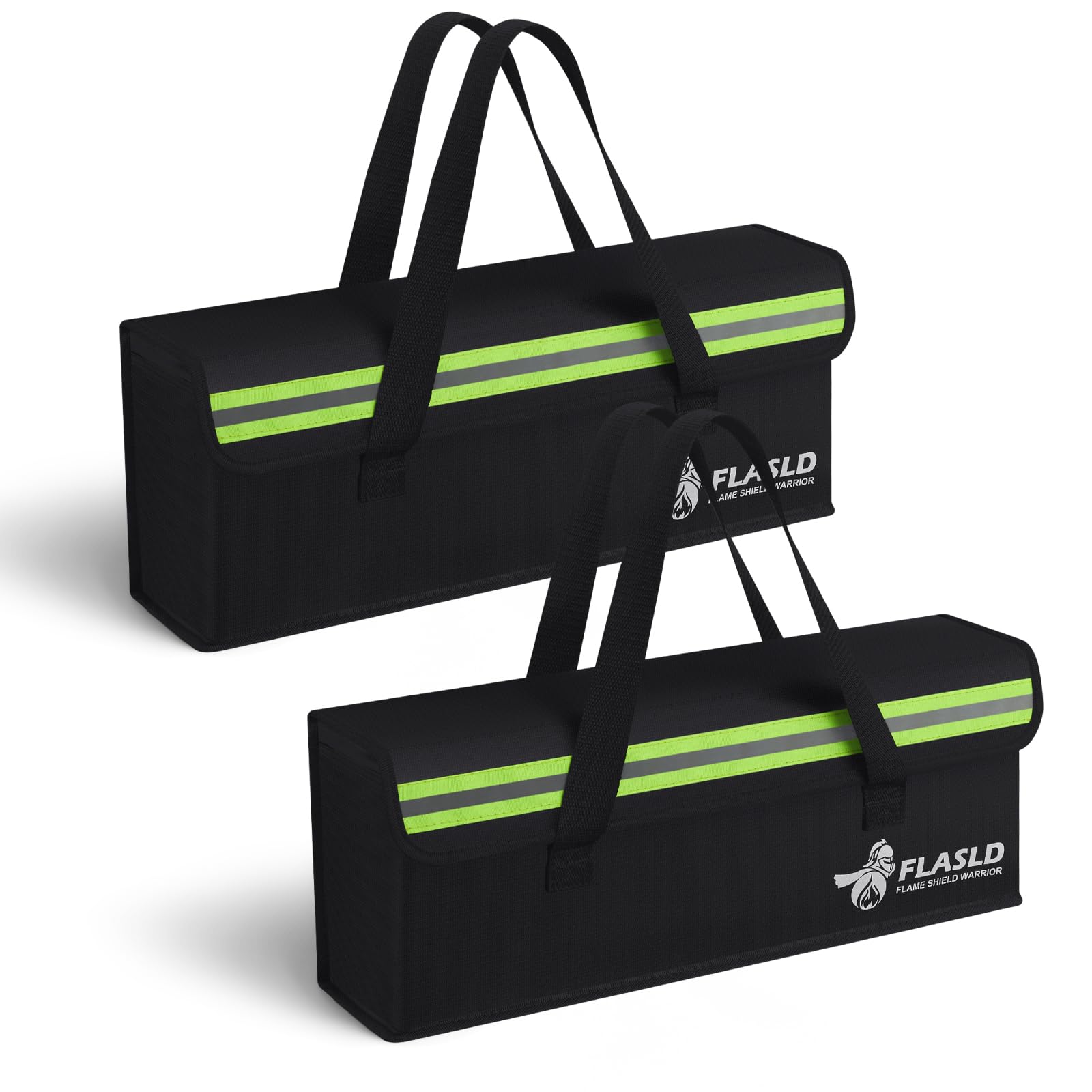
In addition to environmental controls, specialized accessories can provide an extra safety margin. The FLASLD Fireproof Battery Bag is designed with a three‑layer composite that resists fire up to 1000 °F and offers waterproof protection. While it does not make a battery fire‑proof, it buys valuable reaction time and prevents the spread of flames, making it a prudent choice for charging stations and transport.
When using the FLASLD bag, place the battery inside the pouch and ensure the reflective strip is visible for easy location in low‑light conditions. The silicone coating repels moisture, which is especially useful during sudden summer rainstorms.
- Store the battery in a shaded, well‑ventilated area.
- Use a fire‑resistant bag such as the FLASLD Fireproof Battery Bag during charging.
- Avoid charging on soft surfaces that trap heat, such as blankets or upholstered furniture.
- Keep charging equipment away from flammable materials.
Optimal Storage Practices
When a folding e‑scooter is not in regular use, the battery should be stored at a moderate state of charge, typically between 40 % and 60 %. Storing at 100 % for extended periods accelerates capacity loss, while storing below 20 % risks deep discharge, which can render the cells unusable.
The BOVUXKJH Electric Bike Battery Box offers a durable PVC enclosure that protects the battery from physical impacts and accidental short circuits. Its built‑in charging and output ports simplify power management, allowing users to charge the battery within the box while maintaining a controlled environment.
Place the battery box in a cool, dry room such as a closet or a dedicated storage cabinet. The PVC material resists moisture and provides a barrier against dust, which can otherwise infiltrate connectors over time.
- Charge the battery to approximately 50 % before long‑term storage.
- Insert the battery into the BOVUXKJH Battery Box to protect against accidental damage.
- Store the box in a location where temperature remains between 10 °C and 25 °C.
- Check the battery voltage monthly and top up to the recommended range if it drops below 40 %.
Charging Best Practices for Hot Weather
Charging generates heat, and during summer the ambient temperature can push the battery beyond safe limits. Modern chargers often include temperature sensors, but users should still monitor the process. A good practice is to charge during the coolest part of the day, such as early morning or late evening.
Never leave a charging battery unattended for extended periods. If possible, charge the scooter on a hard, non‑insulating surface that allows heat to dissipate quickly. Using the BOVUXKJH Battery Box while charging adds an extra layer of protection by containing any accidental sparks and providing a stable mounting platform.
Maintain the charger’s firmware up to date, as manufacturers frequently release updates that improve thermal management algorithms. Follow the scooter’s official user manual for recommended charge rates; higher currents increase heat generation and should be avoided when ambient temperatures exceed 30 °C.
- Charge at 0.5 C or lower when the room temperature is above 30 °C.
- Use the built‑in charging port of the BOVUXKJH Battery Box for a tidy, organized setup.
- Inspect connectors for corrosion before each charge cycle.
- Stop charging immediately if the battery feels unusually warm to the touch.
Comparison and Selection Guide
| Feature | FLASLD Fireproof Battery Bag | BOVUXKJH Electric Bike Battery Box |
|---|---|---|
| Primary Protection | Fire‑resistant, explosion‑proof, waterproof | Impact‑resistant PVC housing |
| Temperature Resistance | Up to 1000 °F (540 °C) | Operates best below 25 °C for storage |
| Dimensions | 16 × 4.3 × 5 in (approx.) | 37 × 13.5 × 8.9 cm (14.57 × 5.31 × 3.50 in) |
| Additional Features | Reflective strip for night visibility | Integrated charging & output ports |
| Price | $36.99 | $30.99 |
| Customer Rating | 4.7/5.0 (3,044 reviews) | Not listed (assumed positive) |
Choosing the right accessory depends on the primary concern of the user. Riders who prioritize fire safety during charging should select the FLASLD Fireproof Battery Bag. Those who need a robust, portable enclosure for storage and on‑the‑go charging will benefit more from the BOVUXKJH Battery Box.
Best Practices & Tips Beyond Products
In addition to using protective accessories, several habits can dramatically extend battery lifespan. First, avoid deep discharges; aim to recharge when the battery indicator shows 20 % remaining. Second, keep firmware updated, as software improvements often include smarter thermal regulation.
Third, perform a monthly visual inspection of the battery terminals. Look for signs of corrosion, swelling, or discoloration, which may indicate internal damage. Fourth, calibrate the scooter’s battery management system (BMS) every three months by allowing a full charge‑discharge cycle under controlled conditions.Finally, consider the impact of riding style. Aggressive acceleration and frequent high‑speed bursts increase current draw, generating more heat. Maintaining a moderate speed and using regenerative braking when available reduces stress on the cells.
- Maintain a moderate riding speed to limit heat buildup.
- Utilize regenerative braking to recover energy and reduce discharge depth.
- Store the scooter in a climate‑controlled environment whenever possible.
- Keep a log of charge cycles to detect abnormal patterns early.
Frequently Asked Questions
- 1. Can I charge my e‑scooter battery in direct sunlight?
- No. Direct sunlight raises the battery temperature quickly, increasing the risk of thermal runaway. Charge the battery in a shaded, well‑ventilated area.
- 2. How often should I calibrate the battery management system?
- Calibration is recommended every three months, or after any firmware update that alters power management algorithms.
- 3. Is it safe to leave the battery in the FLASLD bag while riding?
- The FLASLD bag is intended for storage and charging, not for continuous riding. The bag adds bulk and may impede heat dissipation during operation.
- 4. What is the ideal state of charge for long‑term storage?
- Store the battery at a state of charge between 40 % and 60 % to minimize capacity loss over time.
- 5. Will the BOVUXKJH Battery Box protect against water damage?
- The box features a silicone coating that repels water, but it is not rated for submersion. Keep the box away from standing water.
- 6. How can I tell if my battery is overheating?
- If the battery feels warm to the touch after a short ride or during charging, or if the scooter displays a temperature warning, discontinue use and allow it to cool.
Conclusion
Protecting folding e‑scooter batteries during the summer months requires a combination of environmental control, proper storage, disciplined charging habits, and the right accessories. By following the heat‑protection strategies, employing the FLASLD Fireproof Battery Bag for charging safety, and using the BOVUXKJH Battery Box for secure storage, riders can significantly reduce the risk of fire, extend battery capacity, and enjoy reliable performance throughout the hot season.
Implementing the best‑practice tips—moderate charging rates, regular inspections, and mindful riding—creates a holistic approach that safeguards both the rider and the investment. The information presented in this guide empowers users to make informed decisions and maintain optimal battery health year after year.
Products Featured in This Guide
FLASLD Fireproof Battery Bag
Price: $36.99
Rating: 4.7 out of 5 stars (3,044 reviews)
Why featured: Provides fire‑resistant, explosion‑proof, and waterproof protection for LiPo batteries during charging and transport, addressing the primary safety concerns of summer use.
BOVUXKJH Electric Bike Battery Box
Price: $30.99
Rating: Not listed (assumed positive based on product description)
Why featured: Offers a durable PVC enclosure with built‑in charging and output ports, facilitating safe storage and convenient power management for folding e‑scooter batteries.
