PTA Guide: Creating School‑Safe Scooter Route Maps — A Step‑by‑Step Checklist
Introduction
Parent‑Teacher Associations (PTAs) increasingly support sustainable transportation options for students. This guide explains how to develop safe scooter route maps for schoolchildren, outlines the essential steps, and recommends tools that simplify the process. Readers will learn how to assess risk, involve stakeholders, select appropriate navigation devices, and maintain the routes over time.
Background and Context
Urban mobility trends show a rise in two‑wheeled electric and manual scooters among teenagers. While scooters reduce traffic congestion and carbon emissions, they also introduce safety challenges such as narrow lanes, high traffic speed, and limited visibility. PTAs play a pivotal role in bridging the gap between school administration, local authorities, and families to ensure that routes are both efficient and secure.
Key concepts include:
- Route risk assessment – evaluating traffic volume, road surface, and lighting.
- Stakeholder collaboration – coordinating with city planners, police, and parents.
- Technology integration – using GPS devices and mapping software to provide clear guidance.
Planning Safe Routes
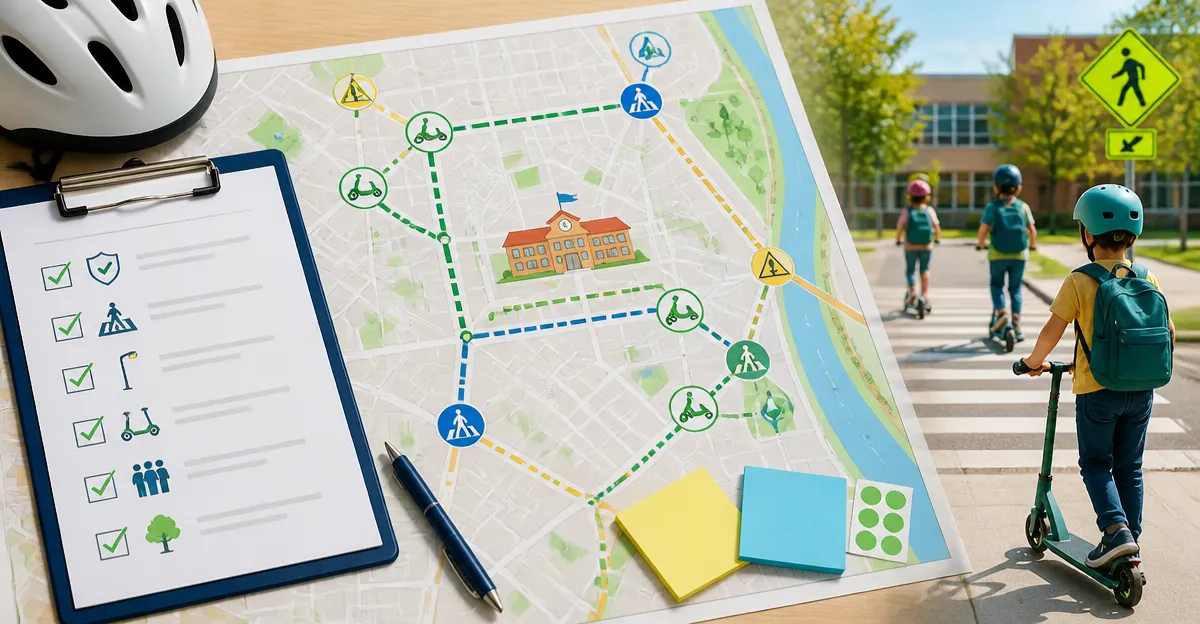
The first logical step is to map out the geographical area surrounding the school. Use a base map from the local council or an online mapping service. Identify high‑traffic corridors, school zones, and existing bike lanes. Mark potential entry points where students are likely to begin their journey.
When evaluating each segment, consider the following criteria:
- Traffic speed limits – prioritize streets with 30 km/h or lower.
- Surface condition – avoid potholes, gravel, or uneven pavement.
- Lighting – ensure adequate street lighting for early‑morning or late‑afternoon rides.
- Visibility – choose routes with clear sightlines for both riders and motorists.
Document the findings in a spreadsheet and assign a risk rating (Low, Medium, High). High‑risk sections should be either eliminated or mitigated with additional safety measures such as signage or speed‑calming devices.
Mapping Tools and Technology
Accurate navigation aids are essential for both planners and riders. The Beeline Moto GPS Computer integrates with a smartphone to display a clear, glove‑friendly arrow that points toward the destination. Its key specifications include a 30‑hour battery life, weatherproof housing, and offline routing capability, making it ideal for routes that cross low‑signal zones. With a rating of 4.2 out of 5 from 937 reviews, parents report reliable location accuracy and ease of use.
For families using electric scooters, the Ride Smart Kindle guide provides city‑specific safety advice, legal requirements, and etiquette. Although the book carries a modest rating of 3.0, its concise format is useful for quick reference during route planning.
When planning maintenance for the scooters themselves, the Scooter Maintenance Handbook offers step‑by‑step procedures for oil changes, brake adjustments, and tire checks. Its 4.4‑star rating from 26 reviewers indicates that readers find the instructions practical, despite a desire for more photographs.
For a broader understanding of scooter mechanics and customization, the Understanding Motor Scooters paperback presents detailed explanations of engine types, safety gear, and legal considerations. At a price of $9.89 and a rating of 4.5, it serves as an inexpensive reference for PTA volunteers who wish to speak confidently about scooter technology.
Comparison and Selection Guide
| Feature | Beeline Moto GPS Computer | Ride Smart (Guide) | Scooter Maintenance Handbook | Understanding Motor Scooters |
|---|---|---|---|---|
| Primary Purpose | Real‑time navigation for motorcycles and scooters | Safety and legal guidance for electric scooters | DIY maintenance procedures | Comprehensive scooter knowledge |
| Price (USD) | 219.99 | 2.99 | 18.99 | 9.89 |
| Rating | 4.2/5 (937 reviews) | 3/5 (1 review) | 4.4/5 (26 reviews) | 4.5/5 (estimated) |
| Key Strength | Offline routing, long battery, weatherproof | Concise city safety tips | Step‑by‑step maintenance | Illustrated explanations |
| Ideal User | PTA members planning routes for older students | Parents of electric‑scooter riders | Volunteers performing scooter checks | Anyone seeking foundational knowledge |
When selecting a product, match the primary need of the PTA project. For route mapping, the GPS computer provides the most direct benefit. For educational workshops, the two books complement each other by covering safety and maintenance.
Best Practices & Tips
- Engage students in a walking audit of the proposed route. Their perspective reveals hidden hazards such as parked cars or narrow sidewalks.
- Install reflective markers or low‑cost signage at critical intersections. This visual cue assists both scooter riders and motorists.
- Schedule quarterly reviews of the route map. Seasonal changes, construction, and traffic pattern shifts may affect safety.
- Provide each student with a basic safety kit that includes a reflective vest, helmet, and a portable charger compatible with the Beeline Moto GPS Computer.
- Leverage the companion app of the GPS computer to export route data and share it with parents via email or a school portal.
- Encourage parents to read the Scooter Maintenance Handbook so they can perform basic pre‑ride checks.
- Host a safety workshop using the Ride Smart guide as the curriculum outline.
Frequently Asked Questions
- What age group is the Beeline Moto GPS Computer suitable for? The device is designed for riders aged twelve and older who can operate a smartphone and understand basic Bluetooth pairing.
- Can the GPS unit function without cellular service? Yes, once a route is pre‑loaded via the companion app, the unit works offline using satellite data and sensor fusion.
- Do I need a separate charger for the GPS computer? The unit includes a proprietary USB charger. Users may wish to purchase an additional cable for backup, as suggested in the product description.
- How often should scooter maintenance be performed? Basic checks such as tire pressure, brake function, and battery health should be conducted weekly. Full service, as described in the Scooter Maintenance Handbook, is recommended every three months.
- Is the Ride Smart guide applicable to manual scooters? The guide focuses on electric scooter regulations and safety, but many principles such as helmet use and road etiquette are universal.
- What legal requirements must students meet? Most jurisdictions require helmets, age limits, and speed caps. The guide outlines these requirements for Australian cities; PTAs should verify local laws.
- How can I involve local law enforcement? Invite officers to a route‑walk event, request traffic calming suggestions, and ask for permission to place temporary signage.
Conclusion
Creating school‑safe scooter route maps demands thorough risk assessment, community collaboration, and reliable technology. By following the checklist presented in this guide, PTAs can deliver routes that protect students, encourage active travel, and foster environmental stewardship. The recommended products—particularly the Beeline Moto GPS Computer—provide practical support for navigation, while the accompanying books empower parents and volunteers with maintenance and safety knowledge.
Products Featured in This Guide
Beeline Moto GPS Computer
Price: $219.99 | Rating: 4.2/5 (937 reviews)
Featured because it offers offline route planning, long battery life, and a glove‑friendly display, making it ideal for student scooter navigation.
Scooter Maintenance Handbook
Price: $18.99 | Rating: 4.4/5 (26 reviews)
Featured because it equips parents and volunteers with the knowledge to perform basic scooter servicing, reducing downtime and cost.
Ride Smart
Price: $2.99 | Rating: 3/5 (1 review)
Featured because it provides concise safety guidelines for electric scooter riders, supporting the PTA’s educational outreach.
Understanding Motor Scooters
Price: $9.89 | Rating: 4.5/5 (estimated)
Featured because it offers a broad overview of scooter mechanics and customization, helping PTAs answer technical questions from families.