How to Set Up a Garage Workshop for Folding E‑Scooter Repairs: Step‑by‑Step Tools, Layout & Tips
Introduction
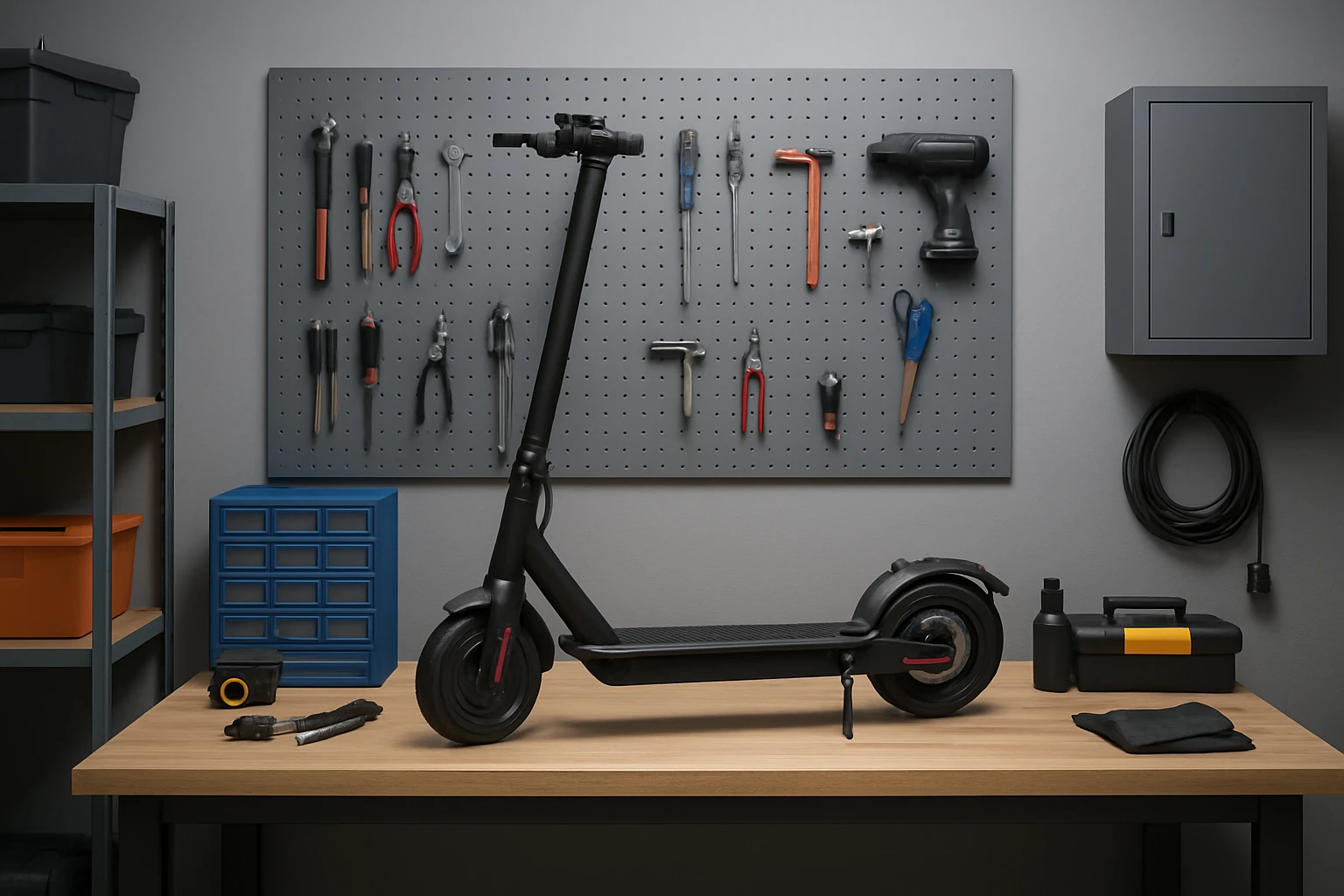
One will learn how to transform a standard garage into a functional workshop dedicated to folding e‑scooter maintenance and repair. The guide explains layout planning, essential equipment, safety considerations, and practical workflows that reduce downtime. By following the steps, one can achieve a tidy, well‑lit space that supports both routine servicing and complex diagnostics. The value of a dedicated area lies in increased productivity, reduced risk of damage, and a professional environment for clients.
What You'll Need
- Heavy‑duty workbench with a sturdy top surface
- Adjustable lighting system (LED shop lights)
- Power strip with surge protection
- Tool storage solution (wall‑mounted pegboard, drawer units)
- Safety equipment (fire extinguisher, first‑aid kit, safety glasses)
- Cleaning supplies (brushes, microfiber cloths, solvent)
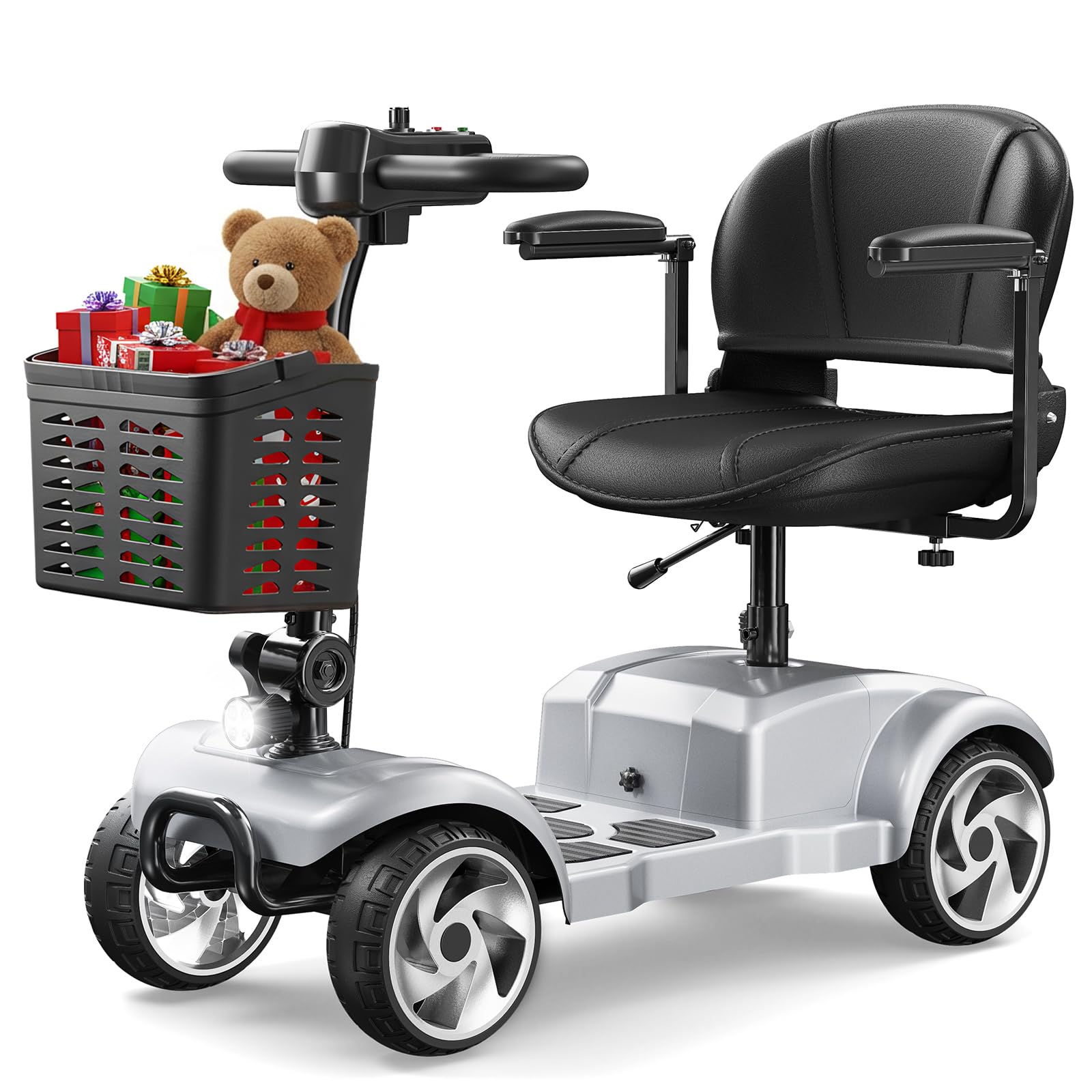
- Transport aid for larger scooters – FRITTON 4‑Wheel Electric Mobility Scooter
Step 1: Plan the Layout
Begin by measuring the garage dimensions and drawing a scaled floor plan on graph paper or using a digital tool. Allocate zones for receiving scooters, disassembly, parts inventory, and final testing; each zone should have at least 3 feet of clearance to allow safe movement. Position the workbench near a power outlet to minimize extension cord use, and place lighting fixtures above the bench to eliminate shadows. The transport aid, such as the FRITTON 4‑Wheel Electric Mobility Scooter, can be stored at the rear of the garage to free central space for the work zones.
Step 2: Install a Sturdy Workbench
Select a workbench that can support a folded e‑scooter frame weighing up to 30 pounds without flexing. A bench with a 2‑inch thick steel frame and a laminate top provides durability and resistance to oil stains. Secure the bench to the wall studs using lag bolts to prevent tipping during heavy torque applications. Add a removable vise or clamps to the bench surface for holding scooter components while tightening bolts.
Step 3: Set Up Power and Lighting
Install a dedicated 20‑amp circuit with a ground‑fault circuit interrupter (GFCI) to protect against electrical hazards. Mount LED shop lights on the ceiling at 4‑foot intervals, ensuring a minimum of 5,000 lumens per fixture for bright, even illumination. Connect a surge‑protected power strip to the circuit and run cable organizers along the wall to keep cords tidy. The bright lighting reduces eye strain during detailed tasks such as battery terminal inspection.
Step 4: Organize Tools and Storage
Equip the workshop with a comprehensive set of tools: hex key set, torque wrench, screwdrivers, pliers, and a digital multimeter. Mount a pegboard above the workbench and use metal hooks to hang frequently used tools for quick access. Install drawer units with labeled compartments for spare parts, fasteners, and lubricants. For larger items such as spare wheels or batteries, use a low‑profile shelving unit that can bear at least 150 lb per shelf.
Step 5: Implement Safety Measures
Place a Class ABC fire extinguisher within arm’s reach of the workbench, and ensure it is inspected annually. Provide safety glasses, nitrile gloves, and ear protection for all personnel handling power tools. Install a non‑slip mat in the testing zone to prevent scooters from sliding during performance checks. Clearly label the emergency shut‑off switch for the main power circuit, and post a posted safety checklist near the entrance.
Step 6: Use a Mobility Scooter for Transport and Testing
The FRITTON 4‑Wheel Electric Mobility Scooter serves as a versatile transport platform for moving folded e‑scooters and heavy batteries across the garage. Its 20‑mile range and 6.2 mph top speed allow rapid relocation without manual lifting, reducing the risk of strain injuries. The scooter supports up to 330 lb, which is more than sufficient for most e‑scooter models and accompanying tools. Features such as a 360° swivel seat and adjustable armrests make it comfortable for the technician to sit while performing on‑site diagnostics.
Key specifications of the FRITTON 4‑Wheel Electric Mobility Scooter include a 24 V 12 Ah battery, a 250 W motor, and puncture‑resistant 9‑inch tires that can navigate garage ramps and uneven flooring. The scooter charges fully in five hours and offers a clear LED power display for monitoring battery status. A five‑year warranty provides confidence in long‑term reliability, and the product holds a 4.4‑star rating from 68 verified reviews, indicating consistent customer satisfaction.
Tips & Pro Tips
- Label each storage bin with both a text label and a QR code linking to an inventory spreadsheet for quick part identification.
- Use magnetic trays on the workbench to collect stray screws and bolts, preventing them from falling into the floor drains.
- Calibrate the digital multimeter monthly to ensure accurate voltage readings on lithium‑ion batteries.
- When testing a repaired scooter, perform a controlled 5‑minute run on the mobility scooter platform to verify battery health before customer delivery.
- Maintain a clean floor by sweeping debris after each repair session; dust can infiltrate motor housings and cause premature wear.
Troubleshooting Common Issues
Battery not charging: Verify that the charger LED indicator is lit, check the charger’s output voltage with a multimeter, and inspect the scooter’s charging port for corrosion.
Brake noise: Loosen the brake pads slightly, clean the rotor with isopropyl alcohol, and re‑tighten the mounting bolts to the manufacturer’s torque specification.
Wheel wobble during ride: Ensure that the anti‑tip rear wheels are properly aligned, tighten the axle nuts, and inspect the tire for uneven wear.
Conclusion
One has now learned how to design a garage workshop that optimizes workflow, safety, and efficiency for folding e‑scooter repairs. By planning the layout, installing a sturdy workbench, providing adequate lighting, organizing tools, and incorporating safety equipment, the workshop becomes a professional environment. The inclusion of the FRITTON 4‑Wheel Electric Mobility Scooter enhances mobility within the space and simplifies the handling of heavy components. Implementing the provided tips and troubleshooting steps will ensure long‑term success and customer satisfaction.
Products Mentioned in This Guide
Frequently Asked Questions
What essential tools are required for a folding e‑scooter repair workshop?
A heavy‑duty workbench, LED shop lights, a surge‑protected power strip, wall‑mounted pegboard or drawers, and basic hand tools such as screwdrivers, wrenches, and pliers.
How should I arrange the layout of my garage workshop for maximum efficiency?
Place the workbench centrally, position lighting above it, keep the power strip within reach, and organize tools on a pegboard or drawer units along the walls to keep the floor clear.
What type of lighting is best for accurate e‑scooter diagnostics?
Adjustable LED shop lights with high CRI (color rendering index) provide bright, shadow‑free illumination ideal for inspecting small components.
Which safety equipment is mandatory in a scooter repair garage?
Install a fire extinguisher, keep a first‑aid kit nearby, and wear safety glasses at all times while working.
How can I store and organize tools to maximize space in a garage workshop?
Use wall‑mounted pegboards for frequently used tools, stackable drawer units for smaller items, and label each spot to streamline workflow.