
How to Fix a Bent Folding Scooter Latch: Step‑by‑Step DIY Repair Guide
Introduction
When a folding scooter latch becomes bent, the scooter may wobble, refuse to lock, or even collapse during use. This guide teaches the reader how to diagnose the problem, straighten the latch, and reinforce the mechanism so that the scooter remains safe and functional. By following the outlined steps, one can avoid costly professional repairs and extend the lifespan of the scooter.
The instructions are written for an intermediate audience who possesses basic hand‑tool skills but may be unfamiliar with scooter‑specific components. Each step includes clear actions, safety reminders, and optional product recommendations that enhance efficiency and durability.
At the conclusion of the guide, readers will have a fully repaired latch, a better understanding of scooter maintenance, and a list of reliable security tools to keep the scooter protected.
What You’ll Need
- Flat‑head screwdriver (medium size)
- Phillips screwdriver (if your scooter uses Phillips screws)
- Adjustable wrench or pliers
- Rubber mallet
- Thread‑locker adhesive (optional)
- Replacement latch pins (if pins are damaged)
- Mezelon Scooter Chain Lock – for securing the scooter after repair
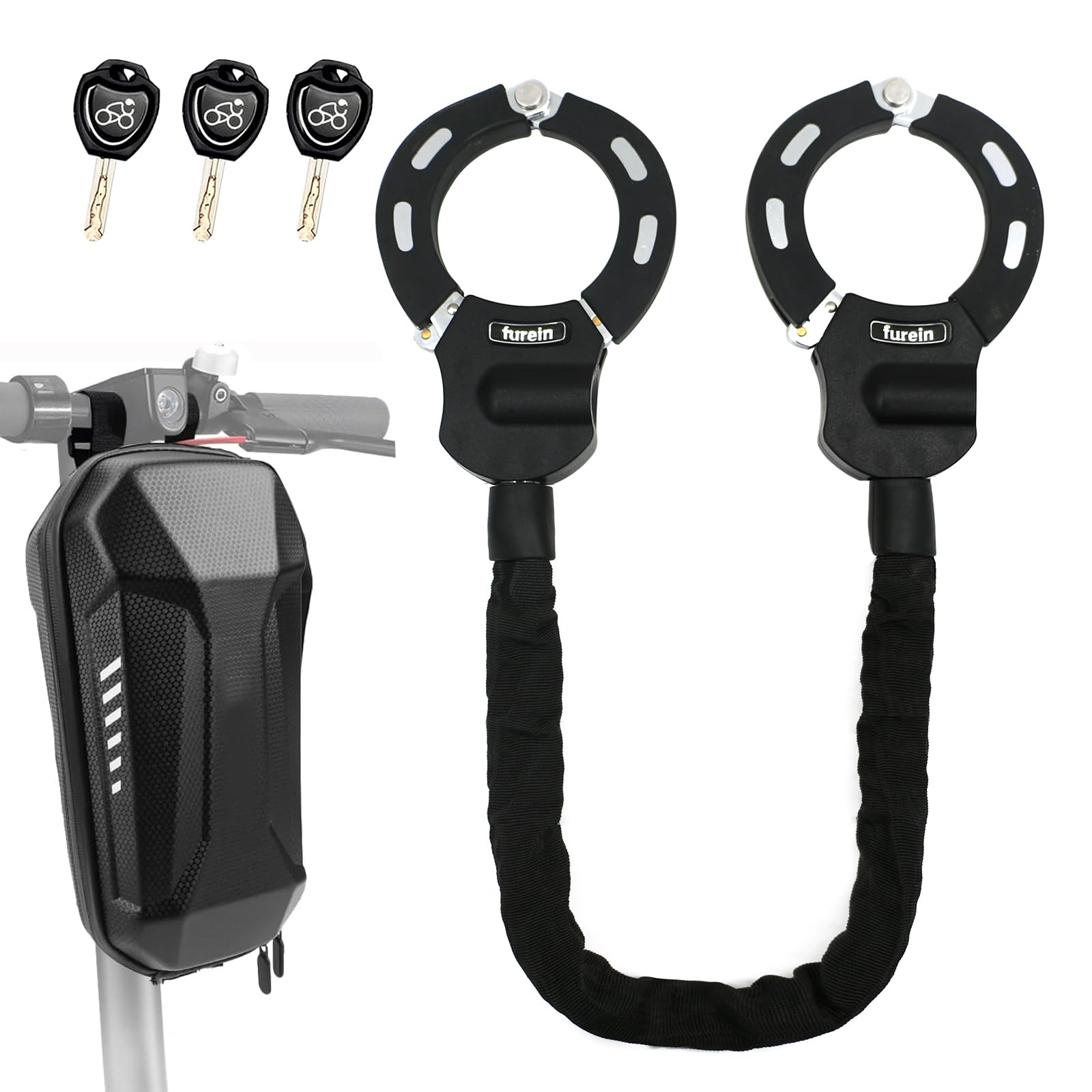
- Furein Scooter Lock – as an alternative security option
Step‑by‑Step Instructions
Step 1: Assess the Damage
Begin by placing the scooter on a stable surface and inspecting the latch mechanism. Look for visible bends, cracked metal, or stripped threads. Gently move the latch back and forth; excessive resistance indicates deformation. Document the condition with photos so you can compare progress after each repair stage.
If the latch housing is cracked, replacement may be necessary, but most bends can be corrected with the tools listed above. This assessment prevents unnecessary disassembly and helps you decide whether additional hardware, such as a new lock, will be required for added security.
Step 2: Release Tension and Remove Fasteners
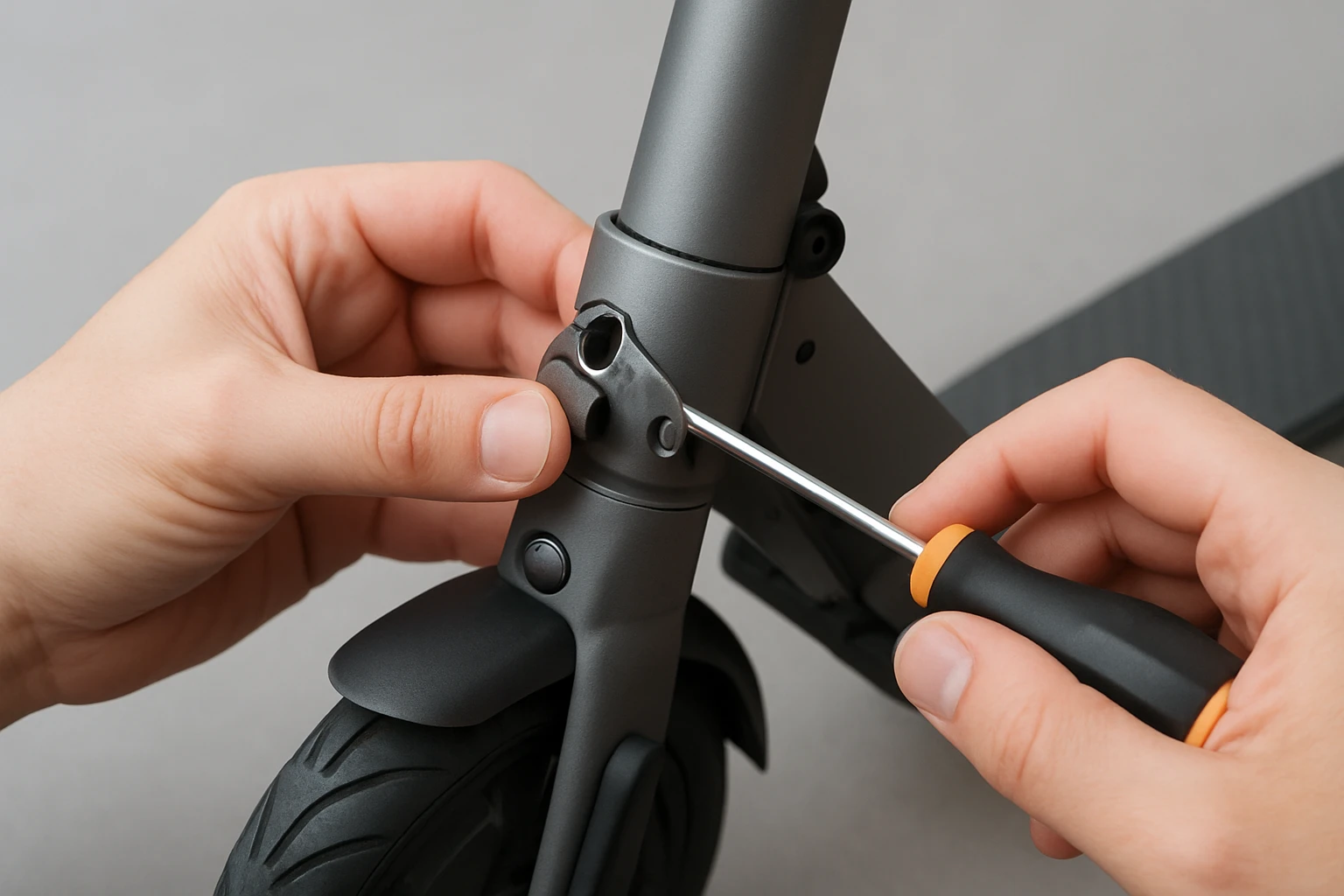
Locate the screws or bolts that secure the latch to the scooter frame. Use the appropriate screwdriver or wrench to loosen them while supporting the latch with one hand. If the latch is locked in place by a spring, gently compress the spring with a flat‑head screwdriver before removing the fasteners.
Removing the fasteners reduces stress on the bent metal, allowing you to manipulate it safely. Keep all hardware in a small container to avoid loss.
Step 3: Straighten the Bent Latch
Place the latch on a flat workbench. Using a rubber mallet, tap the bent section gently but firmly in the opposite direction of the bend. Work slowly, checking alignment after each tap. For severe bends, you may need to use adjustable pliers to apply steady pressure while tapping.
The rubber mallet prevents additional surface damage while delivering enough force to reshape the alloy steel. If the latch does not return to its original shape, consider applying a small amount of heat with a hair dryer to make the metal more pliable, then repeat the tapping process.
Step 4: Re‑assemble and Test Fit
Once the latch appears straight, re‑attach the screws or bolts using the original hardware. Tighten them to the manufacturer’s torque specification, typically found in the scooter’s manual. If the threads are stripped, apply a thread‑locker adhesive to ensure a secure bond.
After re‑assembly, operate the latch several times to confirm smooth motion. The latch should lock and release without wobble. If it still feels loose, inspect the pins; replace any that are bent or worn.
Step 5: Secure the Scooter with a High‑Quality Lock
Even after a successful repair, protecting the scooter from theft is essential. The Mezelon Scooter Chain Lock offers an 8 mm hardened alloy steel chain, providing resistance to shear damage and anti‑pick cylinders. Its three‑key system allows you to keep a spare key, while the integrated front hanging bag protects personal items during rides.
Wrap the chain around the scooter frame and a stationary object such as a bike rack. Insert the lock into the latch mechanism, ensuring the chain does not twist. The lock’s reflective design improves visibility at night, adding an extra layer of safety.
Step 6: Optional – Use an Alternative Lock for Redundancy
If you prefer a lock with a longer chain, the Furein Scooter Lock provides a 35.8‑inch chain made from full‑alloy steel, heat‑treated for cut resistance. Its rubber lock sleeve prevents surface scratches and reduces noise during locking and unlocking.
Combine both locks for maximum security: use the Mezelon lock for daily rides and the Furein lock when parking in high‑risk areas. This redundancy deters opportunistic thieves who may attempt to cut one chain.
Tips & Pro Tips
- Always wear safety glasses when hammering metal to protect your eyes from debris.
- Apply a thin layer of lubricant to the latch pivot after re‑assembly to ensure smooth operation.
- Store spare keys in a waterproof pouch – the Mezelon lock’s front bag is ideal for this purpose.
- If the latch remains stiff after straightening, consider using a small amount of silicone grease on the moving parts.
- Periodically check the lock’s chain for signs of wear; replace it before the steel shows fatigue.
Troubleshooting
Problem: Latch still wobbles after straightening.
Solution: Inspect the latch housing for micro‑cracks. If cracks are present, replace the housing rather than attempting further repairs.
Problem: Chain lock does not fit the latch groove.
Solution: Use the lock’s flexible chain to loop around a nearby sturdy frame element instead of the latch itself, then secure the latch with a secondary cable tie.
Conclusion
Repairing a bent folding scooter latch is a manageable DIY task that restores safety and prolongs the scooter’s service life. By following the six steps—assessment, tension release, straightening, re‑assembly, securing with a high‑quality lock, and optional redundancy—one can achieve a reliable repair without professional assistance.
The guide also highlighted two reputable security products, the Mezelon Scooter Chain Lock and the Furein Scooter Lock, which provide robust protection against theft while offering convenient storage features.
Regular maintenance, combined with proper locking practices, ensures that the scooter remains a safe, dependable mode of transportation for years to come.
Products Mentioned in This Guide
Frequently Asked Questions
Why does a folding scooter latch become bent and what are the warning signs?
Repeated folding stress, impact, or overtightening can bend the latch; signs include wobbling, difficulty locking, or the scooter collapsing when ridden.
What basic tools are required to straighten a bent scooter latch?
A flat‑head screwdriver, adjustable wrench or pliers, and a rubber mallet are typically sufficient for most DIY repairs.
How can I safely straighten a bent latch without damaging the scooter frame?
Place the latch on a stable surface, tap it gently with a rubber mallet while applying steady pressure with pliers to reshape it back to its original angle.
Should I use thread‑locker adhesive after fixing the latch, and why?
Applying a medium‑strength thread‑locker to the latch bolts helps prevent them from loosening again due to vibration.
When is it better to replace the latch instead of repairing it?
If the latch is cracked, severely deformed, or the locking mechanism no longer engages reliably, replacement is safer than a temporary fix.