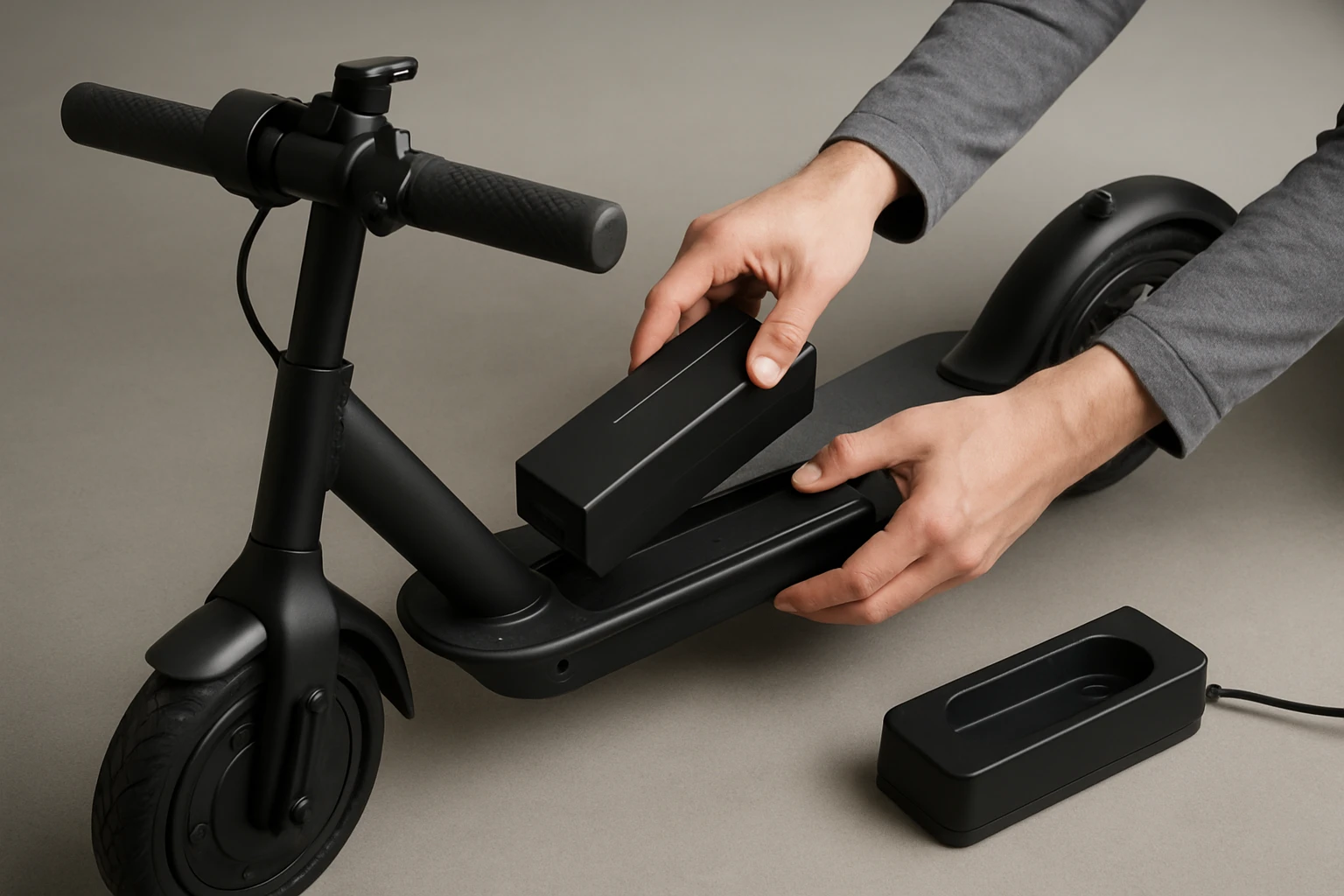
How to Extend Your Folding E‑Scooter Battery Life: 12 Simple Tips to Maximize Range & Longevity
Introduction
Electric scooters have become essential tools for urban commuters, yet many riders experience anxiety about battery range. This guide will teach the reader twelve actionable techniques to preserve battery capacity, increase daily mileage, and prolong overall lifespan. By following these methods, one can reduce the frequency of recharging, avoid premature degradation, and enjoy reliable performance for years. The information presented combines scientific principles with real‑world experience, ensuring that each recommendation is both practical and evidence based.
What You'll Need
- A reliable charging outlet with stable voltage.
- A temperature‑controlled storage space.
- Protective accessories such as a silicone charging cable protector.
- The NIU Electric Scooter 300X (the primary device whose battery will be optimized).
Step 1: Optimize Charging Habits
Charge the scooter when the battery level reaches approximately 20 % and disconnect it once it attains 80 % to 90 %. This range minimizes stress on lithium‑ion cells, which degrade faster when consistently charged to 100 %. Use the original charger supplied with the NIU Electric Scooter 300X to ensure correct voltage and current. Avoid overnight charging whenever possible, as prolonged exposure to full charge can accelerate capacity loss.
Step 2: Maintain a Moderate Temperature
Extreme heat and cold impair battery chemistry. Store the scooter in a location where ambient temperature remains between 15 °C and 25 °C (59 °F–77 °F). If the scooter must be left outdoors during summer, use a breathable cover to shield it from direct sunlight. In winter, keep the scooter indoors or within an insulated garage to prevent the battery from dropping below 0 °C (32 °F).
Step 3: Perform Regular Battery Calibration
Every month, allow the scooter to discharge to about 10 % and then charge it to 90 % without interruption. This process recalibrates the battery management system, ensuring that the displayed charge level accurately reflects true capacity. Calibration also helps the scooter learn optimal charge curves, which can improve efficiency over time.
Step 4: Use Eco or Low‑Power Modes
The NIU Electric Scooter 300X includes selectable speed modes. Selecting the Eco mode reduces maximum speed and limits acceleration, thereby conserving energy. For daily commutes on flat terrain, Eco mode can extend range by up to 20 % without sacrificing safety.
Step 5: Keep Tires Properly Inflated
Under‑inflated tires increase rolling resistance, forcing the motor to draw more power. Check tire pressure weekly using a handheld gauge and inflate to the manufacturer’s recommended psi (typically 30–35 psi for air‑filled tires). Proper inflation not only improves range but also enhances handling and reduces wear on suspension components.
Step 6: Minimize Unnecessary Weight
Every additional kilogram requires extra energy to accelerate. Remove accessories such as heavy backpacks, cargo boxes, or detachable lights when they are not needed. The scooter’s dual‑stroke suspension can handle moderate loads, but lighter loads translate directly into longer battery life.
Step 7: Adopt Smooth Riding Techniques
Frequent hard accelerations and abrupt braking drain the battery quickly. Practice gradual throttle application and anticipate stops to use regenerative braking efficiently. The front drum brake combined with rear regenerative braking on the NIU Electric Scooter 300X can recover energy, but only when the rider decelerates smoothly.
Step 8: Leverage the Folding Design for Storage
The scooter’s 2‑step folding mechanism allows it to be stored upright in a compact space. When folded, the battery is less exposed to accidental impacts that could damage internal connections. Store the folded scooter on a stable surface away from moisture to preserve both mechanical and electrical integrity.
Step 9: Update Firmware Regularly
The manufacturer releases firmware updates that refine battery management algorithms. Connect the scooter to the NIU app via Bluetooth and check for updates at least once per quarter. Updated firmware can introduce more efficient charging curves and better power distribution, directly influencing range.
Step 10: Use a High‑Quality Power Source
Power strips with surge protection prevent voltage spikes that could harm the battery’s cells. When charging at home, plug the charger into a dedicated wall outlet rather than a shared extension cord. Consistent voltage ensures that the battery receives the intended charge profile, extending its useful life.
Step 11: Conduct Periodic Maintenance Checks
Inspect the charger port, cable, and battery contacts for corrosion or debris. Clean any oxidation with a dry microfiber cloth and apply a thin layer of dielectric grease if recommended by the manufacturer. Clean connections reduce resistance, which in turn reduces heat generation during charging.
Step 12: Plan Routes to Avoid Steep Inclines
While the NIU Electric Scooter 300X can climb gradients up to 15 %, sustained uphill travel consumes significantly more power. When possible, select routes with gentle slopes or incorporate short flat segments to allow the battery to recover. This strategic planning can add several miles to each charge.
Tips & Pro Tips
- Store the scooter with a 40 % charge if it will not be used for more than three weeks; this state minimizes calendar aging.
- Use a silicone sleeve on the charging cable to protect it from bending fatigue, especially when folding the scooter frequently.
- Enable the scooter’s lock mode via the NIU app when leaving it unattended; this prevents accidental power draw.
- Consider a portable power bank with a 12 V output for emergency top‑ups on long trips; ensure the power bank is rated for the scooter’s peak current.
Troubleshooting
Problem: Battery drains rapidly after a recent charge.
Solution: Verify that the charger is seated firmly and that the outlet provides stable voltage. Reset the scooter by turning it off for five minutes, then power it back on. If the issue persists, check the app for any firmware updates and perform a full calibration cycle as described in Step 3.
Conclusion
By implementing these twelve strategies, the rider can substantially increase the daily range of a folding e‑scooter and safeguard the battery against premature degradation. Consistent charging discipline, temperature control, proper tire maintenance, and intelligent riding habits work together to maximize performance. The reader is encouraged to adopt the practices outlined above and observe measurable improvements over the coming weeks.
Products Mentioned in This Guide
Frequently Asked Questions
What is the ideal charging range to prolong a folding e‑scooter battery?
Charge the battery between 20% and 80% capacity; avoiding full 0% discharge or 100% charge reduces stress and extends lifespan.
How does temperature affect e‑scooter battery health?
Extreme heat or cold speeds up degradation, so store and charge the scooter in a moderate, temperature‑controlled environment (≈15‑25 °C).
Should I use the original charger or can I use a third‑party one?
Always use the manufacturer‑approved charger with stable voltage to prevent over‑voltage and ensure safe, efficient charging.
Do frequent short rides impact battery longevity?
Short, regular rides are fine, but avoid deep discharges; topping up after each ride helps maintain optimal capacity.
Can accessories like silicone cable protectors improve battery life?
While they don’t affect the battery directly, protective accessories prevent charging interruptions and reduce wear on connectors, supporting consistent charging performance.