Introduction
Parents who own folding electric scooters often face the dilemma of keeping the device accessible for daily use while ensuring that curious children cannot tamper with it. This guide explains how to create a child‑proof storage solution that maximises limited indoor space, protects the scooter from damage, and reduces the risk of accidents. Readers will learn to assess the best location, install sturdy wall‑mounted or floor racks, add locks and covers, and organise accessories in a tidy manner. By following the step‑by‑step instructions, one can achieve a safe, organised environment without compromising on convenience.
What You’ll Need
- Measuring tape and level
- Power drill with appropriate bits
- Wall anchors or studs for mounting
- Protective rubber pads or non‑slip mats
- Child‑proof latch or lock (optional)
- Recommended storage tools: ztysn 3‑Scooter Wall Rack, CyclingDeal 5‑Bike Floor Rack, JASIFIO 2‑Pack Scooter Wall Hangers
Step 1: Choose a Secure Storage Location
The first task is to identify a spot that is out of reach for children yet convenient for adult access. Ideally, a corner of a garage, utility room, or hallway with a solid wall provides the necessary stability for mounting hardware. One should avoid high‑traffic areas where a scooter could be knocked over during routine movement. Measuring the available floor space ensures that the chosen rack will fit without obstructing doorways or walkways.
When the location is selected, verify that the wall contains studs or use heavy‑duty anchors rated for at least 110 lb per tier, as specified by the ztysn 3‑Scooter Wall Rack. This rack is constructed from high‑quality carbon steel and each tier can hold up to 110 lb, making it suitable for most folding e‑scooters which typically weigh between 25 lb and 35 lb. The sturdy build prevents wobbling and reduces the chance of the scooter falling during retrieval.
Confirm that the selected wall is dry and free from moisture, as metal components can corrode over time if exposed to damp conditions. Applying a thin layer of silicone sealant around the mounting holes adds an extra barrier against humidity. This preparation step creates a durable foundation for the subsequent installation phases.
Step 2: Install a Wall‑Mounted Scooter Rack
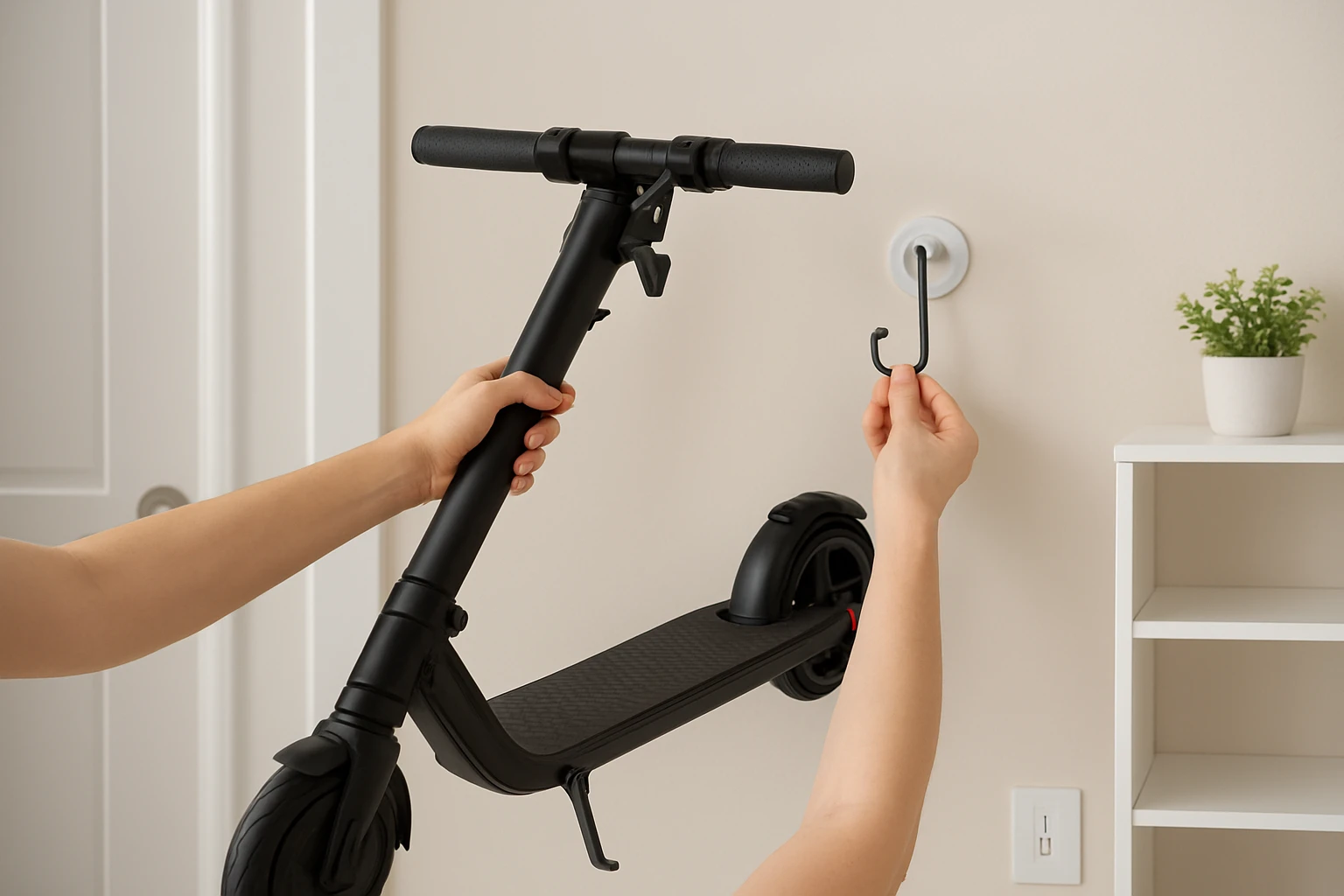
Begin by marking the drill holes at the height where the scooter’s wheels will rest comfortably, typically 12–15 inches off the floor for a folding model. Use a level to ensure the marks are perfectly horizontal, preventing the scooter from sliding forward or backward once hung. Pre‑drill pilot holes into the studs or anchors, then secure the ztysn 3‑Scooter Wall Rack using the supplied screws.
The rack’s design includes a sponge sleeve on each bearer tube, which increases friction and protects the scooter’s frame from scratches. This non‑slip feature is essential in households with active children, as it minimises accidental movement when a child brushes against the scooter. Once the rack is firmly attached, gently place the scooter onto the hooks, ensuring the wheels sit within the designated slots.
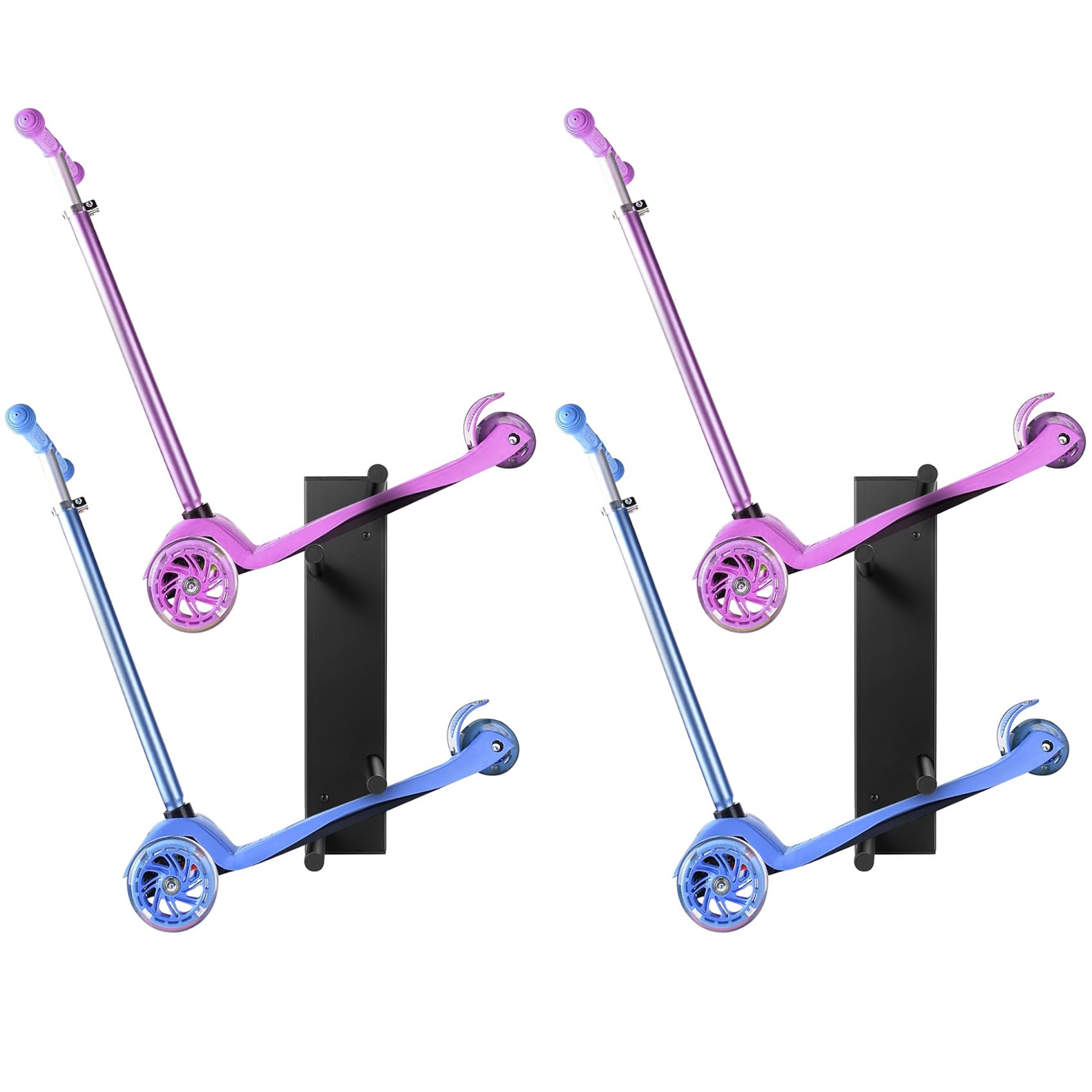
For families with multiple scooters or additional accessories, the JASIFIO 2‑Pack Scooter Wall Hangers can be installed adjacent to the primary rack. Each hanger supports up to 110 lb and offers a penetrating design with reinforced welding points, providing a reliable secondary storage option for a second scooter or for hanging helmets and protective gear. The powder‑coated, non‑slip surface ensures that accessories remain stable even in high‑traffic zones.
Step 3: Add a Floor Rack for Additional Bikes or Scooters
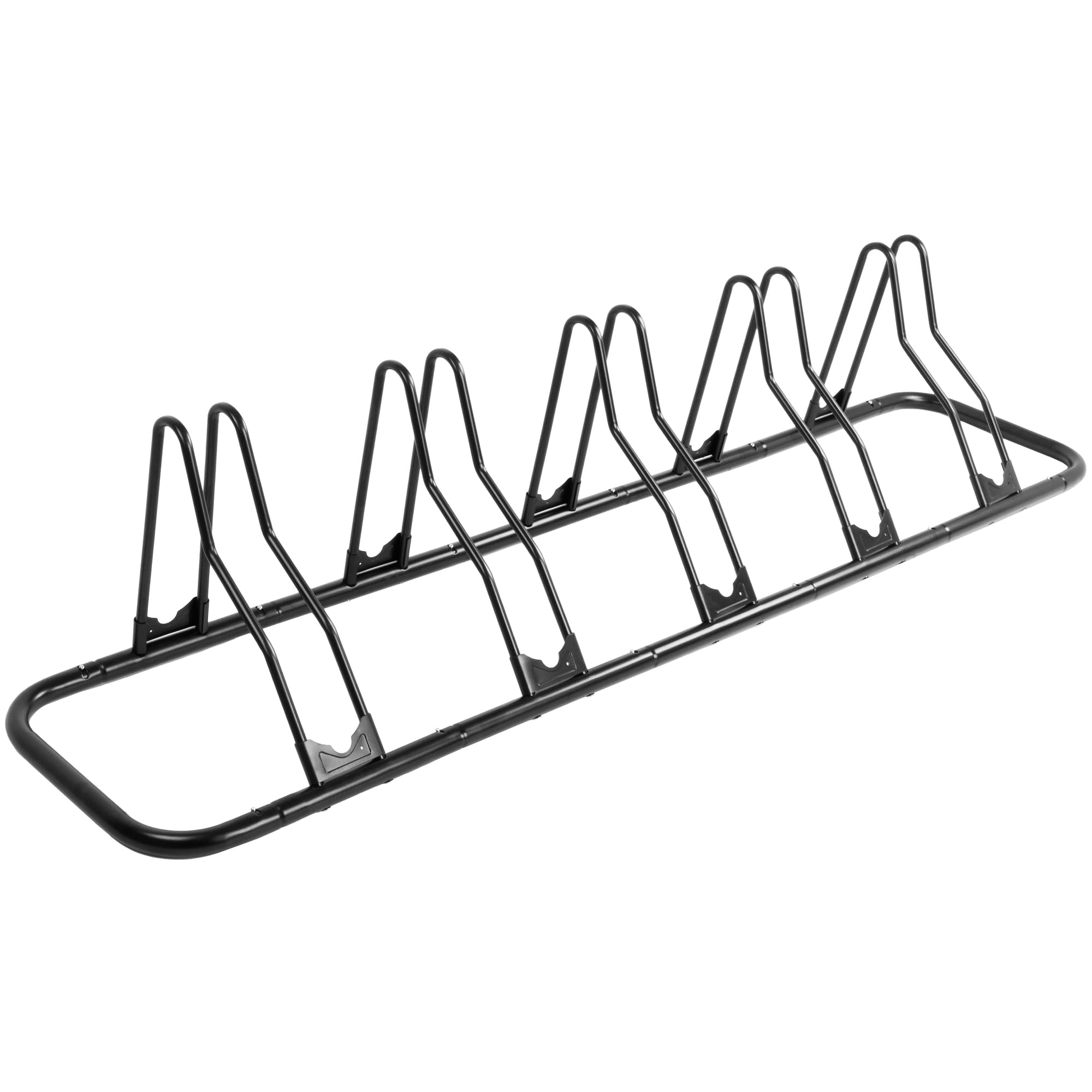
If the household also owns bicycles, the CyclingDeal 5‑Bike Floor Rack offers a versatile solution that can accommodate up to five bikes of varying wheel sizes. Although primarily designed for bicycles, the rack’s sturdy steel construction and powder‑coated finish make it suitable for storing folded scooters upright on the floor, especially when wall space is limited.
The rack features two holding plates with tire grooves positioned at an optimized angle, ensuring that each bike—or scooter—remains vertically stable. Users can insert the scooter’s front wheel into one plate and the rear wheel into the opposite plate, effectively locking the frame in place. This configuration prevents the scooter from tipping over during accidental bumps.
Assembly of the floor rack requires no specialized tools beyond a basic wrench set, and the linked plates are pre‑drilled for quick connection. The product carries a 5‑year warranty, reflecting confidence in its durability. By placing the floor rack near the wall‑mounted system, one creates a comprehensive storage hub that keeps all wheeled equipment orderly and out of children’s reach.
Step 4: Implement Child‑Proof Locks and Covers
Even with a secure rack, it is prudent to add a secondary barrier that prevents children from disengaging the scooter. Simple latch mechanisms, such as a cam lock or a sliding bolt, can be installed on the rack’s lower bracket. These locks are inexpensive, easy to install, and provide an audible click when engaged, signalling that the scooter is secured.
Additionally, a weather‑resistant cover can be draped over the scooter when not in use. A cover made from breathable fabric protects the battery and electronics from dust while also concealing the scooter from a child’s line of sight, reducing curiosity‑driven attempts to play with it. Ensure the cover is loosely fitted to avoid pressure on the scooter’s folding hinges.
When selecting a lock, verify that it is rated for at least 50 lb of pull force, which exceeds the weight of most folding e‑scooters. The lock should be positioned where an adult can reach it comfortably without bending, yet remain out of reach for a child’s small hands.
Step 5: Organize Accessories and Create a Safe Zone
Beyond the scooter itself, accessories such as helmets, chargers, and spare batteries should be stored in designated containers. Clear plastic bins with lid locks keep small parts from rolling onto the floor where a child could trip. Placing these bins on the same floor rack or on a nearby shelf maintains a tidy appearance and prevents clutter.
Mark the perimeter of the storage area with a low‑profile floor mat or non‑slip tape to delineate a “no‑play” zone. This visual cue reminds children that the space is off‑limits and helps adults maintain awareness of the boundary. In households with toddlers, consider installing a safety gate at the entrance to the storage area for added protection.
Regularly inspect the racks, locks, and accessories for wear and tighten any loose bolts. Routine maintenance ensures that the child‑proof system remains reliable over time, and it also extends the lifespan of the scooter and associated equipment.
Tips & Pro Tips
- Use a stud finder to locate wall studs before drilling; this provides the strongest anchor points.
- Apply a thin layer of rubber padding on the floor beneath the CyclingDeal 5‑Bike Floor Rack to minimise vibration and protect flooring.
- Label each rack slot with numbers or colours to simplify retrieval, especially if multiple scooters or bikes are stored.
- Consider adding a small LED strip under the wall rack for illumination; this aids visibility at night and deters children from approaching the dark area.
- When using the ztysn 3‑Scooter Wall Rack, ensure the scooter’s disc rotor does not contact the rack, as noted in the product description.
Troubleshooting
Problem: The scooter feels loose on the wall rack.
Solution: Verify that the sponge sleeve is correctly seated on the bearer tube and tighten the mounting screws. If the issue persists, add a thin rubber washer between the scooter frame and the rack to increase friction.
Problem: The floor rack wobbles when a bike is placed on it.
Solution: Ensure all four legs of the CyclingDeal 5‑Bike Floor Rack are firmly on a level surface. Adjust the position of the rack or place a non‑slip mat beneath it.
Problem: Child manages to disengage the lock.
Solution: Upgrade to a lock with a higher pull‑force rating and position it higher on the rack where a child cannot reach.
Conclusion
By selecting the appropriate storage location, installing robust wall‑mounted or floor racks, adding child‑proof locks, and organising accessories, one can create a safe, space‑saving environment for a folding e‑scooter. The recommended products—ztysn 3‑Scooter Wall Rack, CyclingDeal 5‑Bike Floor Rack, and JASIFIO 2‑Pack Scooter Wall Hangers—provide reliable, affordable solutions that integrate seamlessly into most homes. Implementing these steps not only protects children from accidental injury but also preserves the scooter’s condition, extending its useful life. One is encouraged to adapt the guide to personal space constraints and to revisit the setup periodically to maintain safety standards.
Products Mentioned in This Guide
Frequently Asked Questions
What is the safest location to store a folding e‑scooter at home?
Choose a high, low‑traffic wall area away from play zones, using a sturdy wall‑mounted rack or a locked floor rack.
How do I properly mount a wall rack for a folding e‑scooter?
Measure and level the rack, locate studs or use appropriate wall anchors, then drill and secure the mounting bolts tightly.
What type of lock or latch is recommended for child‑proofing the scooter?
A child‑proof latch or padlock with a concealed shackle works best, preventing kids from opening the storage compartment or releasing the scooter.
Can I use floor racks to keep the scooter out of children’s reach?
Yes, a floor rack with a high base or a lockable cover can store the scooter securely while keeping it accessible for adults.
How do I protect the scooter’s battery and accessories while storing it?
Place rubber pads or non‑slip mats under the scooter, keep the battery off the floor, and store chargers and helmets in a separate locked compartment.