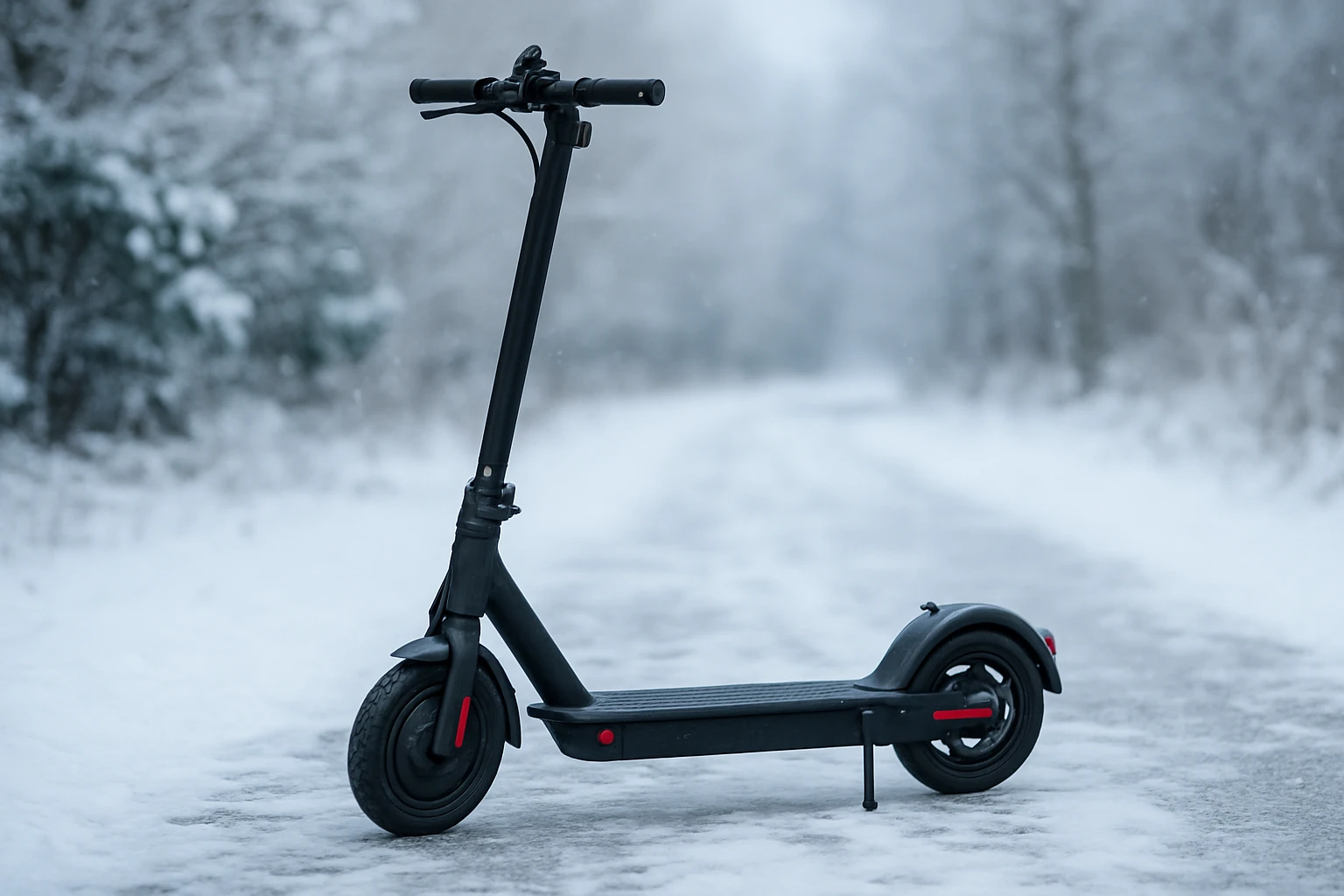
Folding E‑Scooter Winter Riding Guide: Essential Cold‑Weather Safety, Maintenance & Battery Care Tips
Introduction
Winter presents unique challenges for riders of folding electric scooters. Snow, ice, low temperatures, and reduced daylight can affect traction, battery performance, and overall safety. This guide explains how to ride confidently in cold weather, maintain your scooter, and protect the battery so that you can enjoy reliable commuting even when the temperature drops below freezing.
Readers will learn foundational concepts about how cold impacts electric‑drive systems, practical strategies for safe riding, step‑by‑step maintenance routines, and product recommendations that enhance winter performance. By the end of the article, you will be equipped to make informed decisions about accessories, maintenance schedules, and riding techniques that keep you safe and your scooter in top condition throughout the season.
Background and Context
Electric scooters rely on lithium‑ion batteries, electric motors, and electronic controllers. All three components are temperature‑sensitive. Lithium‑ion cells lose capacity as temperature falls, which reduces range and can cause voltage sag under load. Motors generate less torque at low temperatures, making hill climbing more difficult. Additionally, road surfaces become slippery, and moisture can infiltrate moving parts.
Understanding these effects is essential before you head out. For example, a scooter rated for a 19‑mile range at 68°F may only deliver 12‑13 miles at 32°F. Similarly, a 350 W motor that easily climbs a 15 % incline in summer may struggle on icy slopes. Recognizing these limitations helps you plan routes, adjust speed, and choose appropriate accessories.
Preparing Your Scooter for Winter
Before the first snowfall, perform a thorough inspection. Check tire pressure, brake function, and the integrity of the folding mechanism. Replace worn tires with those that have deeper tread or consider adding winter‑specific tire inserts if your scooter supports them.
Key preparation steps:
- Inspect the dual‑suspension system for loose bolts; tighten as needed.
- Verify that the NAVIC Electric Scooter battery is fully charged and free of physical damage.
- Lubricate moving parts with a low‑temperature grease to prevent stiffness.
- Apply a protective spray to the frame to repel water and road salt.
These actions reduce the risk of mechanical failure caused by freezing moisture and ensure that the scooter remains reliable throughout the winter months.
Cold‑Weather Riding Strategies
Riding in winter demands a more cautious approach. Adjust your speed, increase following distance, and anticipate reduced braking efficiency. Use the scooter’s built‑in safety features, such as dual braking systems, to maintain control on slippery surfaces.
Consider the following tactics:
- Reduced Speed: Limit your top speed to 15 mph on icy roads to give yourself extra reaction time.
- Gradual Acceleration: Apply throttle gently to avoid wheel spin on slick pavement.
- Short Braking: Use both drum brakes and EABS (electronic anti‑lock braking system) if available; this combination reduces skidding.
- Route Selection: Prefer well‑maintained streets that are cleared of snow and salted.
When riding in heavy snowfall, wear a high‑visibility jacket and use the scooter’s LED headlights and brake lights to improve visibility for other road users.
Battery Care in Low Temperatures
The battery is the most temperature‑sensitive component. To preserve capacity and extend lifespan, follow these guidelines:
- Pre‑heat Indoors: Store the scooter in a warm garage or indoor space for at least 30 minutes before riding. This raises the battery temperature, allowing it to deliver full power.
- Avoid Deep Discharge: Do not let the battery drop below 20 % in cold weather; low voltage combined with low temperature can cause permanent capacity loss.
- Charge in a Controlled Environment: Use the supplied charger in a room where the temperature stays above 50 °F. Charging a cold battery can lead to uneven cell balancing.
- Use a Battery Management App: The NAVIC Electric Scooter app lets you monitor real‑time voltage, temperature, and remaining range, helping you make informed decisions during a ride.
Following these practices can mitigate the typical 30‑40 % range reduction that many riders experience in winter.
Essential Winter Accessories
While the scooter itself is the core of your commute, a few accessories dramatically improve safety and convenience.
1. Anti‑Theft Lock
Leaving a scooter unattended in a snow‑covered parking lot can attract thieves. The Honszex Scooter Lock offers a handcuff‑style chain that fits tightly around scooter stems, preventing removal without the key. Its alloy‑steel construction resists cutting, and the rubber cover protects the frame from scratches caused by the chain.
- Chain length: 60 cm (23.6 in) with total lock length of 92 cm (36.2 in).
- Weight: Approximately 1.5 kg, providing substantial deterrence without being overly bulky.
- Included waterproof sling bag protects the lock from snow, rain, and road salt.
2. Turn Signals and Horn
Visibility is critical on dark winter mornings. The FXINRUIA Turn Signal attaches to the scooter’s fender and offers bright LED indicators plus a wireless horn. It is waterproof for life, ensuring reliable operation in rain or slush.
- Five LED modes: steady, flashing, and alternating left/right.
- Remote control allows you to signal without removing your hands from the throttle.
- Compatible with most Xiaomi‑based scooters; fits fender widths of 5‑8 cm.
3. Protective Clothing
Layering is essential. Use a moisture‑wicking base layer, an insulated mid‑layer, and a wind‑proof outer shell. Insulated gloves with grip pads protect your hands while maintaining control of the throttle and brakes.
Comparison and Selection Guide
Choosing the right accessories depends on your riding environment, budget, and personal preferences. The table below compares the three featured products across key criteria.
| Feature | NAVIC Electric Scooter | Honszex Scooter Lock | FXINRUIA Turn Signal |
|---|---|---|---|
| Primary Purpose | Transportation | Theft Prevention | Signal Visibility |
| Price (USD) | 169.99 | 43.69 | 18.99 |
| Customer Rating | 4.4/5 (726 reviews) | 4.4/5 (3,433 reviews) | 4.0/5 (230 reviews) |
| Key Strength | Dual suspension, app control, 350 W motor | Heavy‑duty alloy steel, rubber cover, waterproof bag | Waterproof LEDs, wireless horn, easy installation |
| Winter Suitability | Good – foldable, portable, app‑based battery monitoring | Excellent – protects lock from snow and salt | Excellent – bright LEDs work in low light and rain |
Riders who need a complete solution should start with a reliable scooter such as the NAVIC model, then add the Honszex lock for security and the FXINRUIA turn signal for visibility. If budget constraints exist, prioritize a lock first, as theft risk often outweighs the benefits of additional lighting.
Best Practices & Tips
Beyond product recommendations, these habits will keep you safe and extend the life of your scooter:
- Pre‑Ride Warm‑Up: Ride at a low throttle for the first minute to allow the motor and battery to reach optimal temperature.
- Post‑Ride Care: Wipe down the scooter to remove salt and moisture, then store it in a dry indoor location.
- Regular Battery Calibration: Perform a full charge‑discharge cycle once a month to keep the battery’s state‑of‑charge estimation accurate.
- Suspension Maintenance: Check the dual‑suspension shock absorbers for leaks or reduced damping; replace seals if necessary.
- Brake Inspection: Test both drum and EABS brakes before each ride; replace brake pads when wear indicators appear.
- Software Updates: Use the scooter’s companion app to install firmware updates that improve cold‑weather performance.
Implementing these practices reduces wear, prevents unexpected breakdowns, and maximizes the scooter’s winter range.
Frequently Asked Questions
- 1. How much range can I expect from my scooter at 0°F?
- Typical range drops to 60‑70 % of the advertised value. For a scooter rated at 19 miles, expect roughly 11‑13 miles.
- 2. Is it safe to ride a folding scooter on packed snow?
- Yes, if the tires have sufficient tread and you reduce speed. Dual‑suspension models like the NAVIC provide better grip on uneven surfaces.
- 3. Can I charge my scooter outdoors in winter?
- Charging a cold battery outdoors can lead to uneven cell charging. It is best to charge in a heated indoor space.
- 4. How often should I lubricate the folding hinge?
- Apply a thin layer of low‑temperature grease every two months, or after exposure to snow and salt.
- 5. Will the turn signal work if the battery is low?
- The signal draws minimal power, but it may flash dimly when the scooter’s battery falls below 30 %.
- 6. Does the Honszex lock fit all scooter stem sizes?
- The handcuff design accommodates most standard stems; the included rubber cover prevents scratching on larger frames.
Conclusion
Winter riding on a folding e‑scooter is entirely feasible when you respect the effects of cold on battery capacity, motor torque, and traction. By preparing your scooter, using appropriate accessories, and following disciplined maintenance routines, you can commute safely and enjoyably even when temperatures dip below freezing. The combination of a robust scooter, a high‑security lock, and a bright turn signal creates a comprehensive system that addresses safety, security, and visibility—three pillars of winter riding success.
Products Featured in This Guide
NAVIC Electric Scooter
Price: $169.99 | Rating: 4.4/5 (726 reviews)
Featured for its dual suspension, app‑controlled battery monitoring, and reliable 350 W motor that performs well in cold weather.
Honszex Scooter Lock
Price: $43.69 | Rating: 4.4/5 (3,433 reviews)
Featured for its heavy‑duty alloy steel construction, handcuff design that fits scooter stems, and waterproof sling bag for winter storage.
FXINRUIA Turn Signal
Price: $18.99 | Rating: 4/5 (230 reviews)
Featured for its waterproof LED indicators, wireless horn, and easy screw‑mount installation that enhances visibility in winter conditions.