E‑Scooter Battery Fire Prevention at Home: Ultimate Guide to Safe Charging, Storage & Maintenance
Introduction
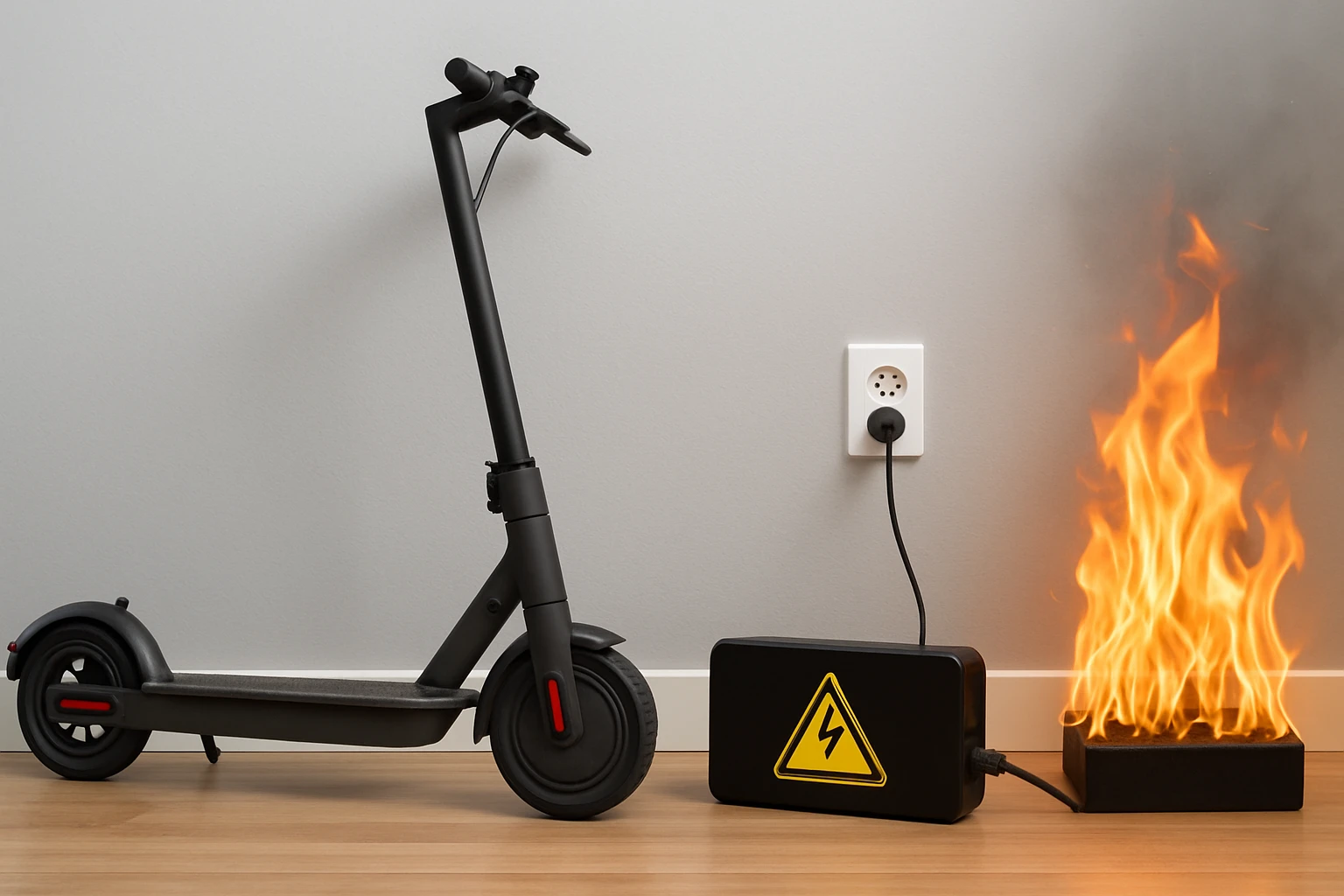
Electric scooters have become a convenient mode of transportation for millions of commuters worldwide. However, the convenience of a portable battery also introduces the risk of thermal runaway and fire if the battery is mishandled. This guide explains the essential safety principles, practical maintenance routines, and product recommendations that will help owners protect their homes and families. Readers will learn how to charge safely, store batteries correctly, and select reliable accessories that reduce fire hazards.
Background and Context
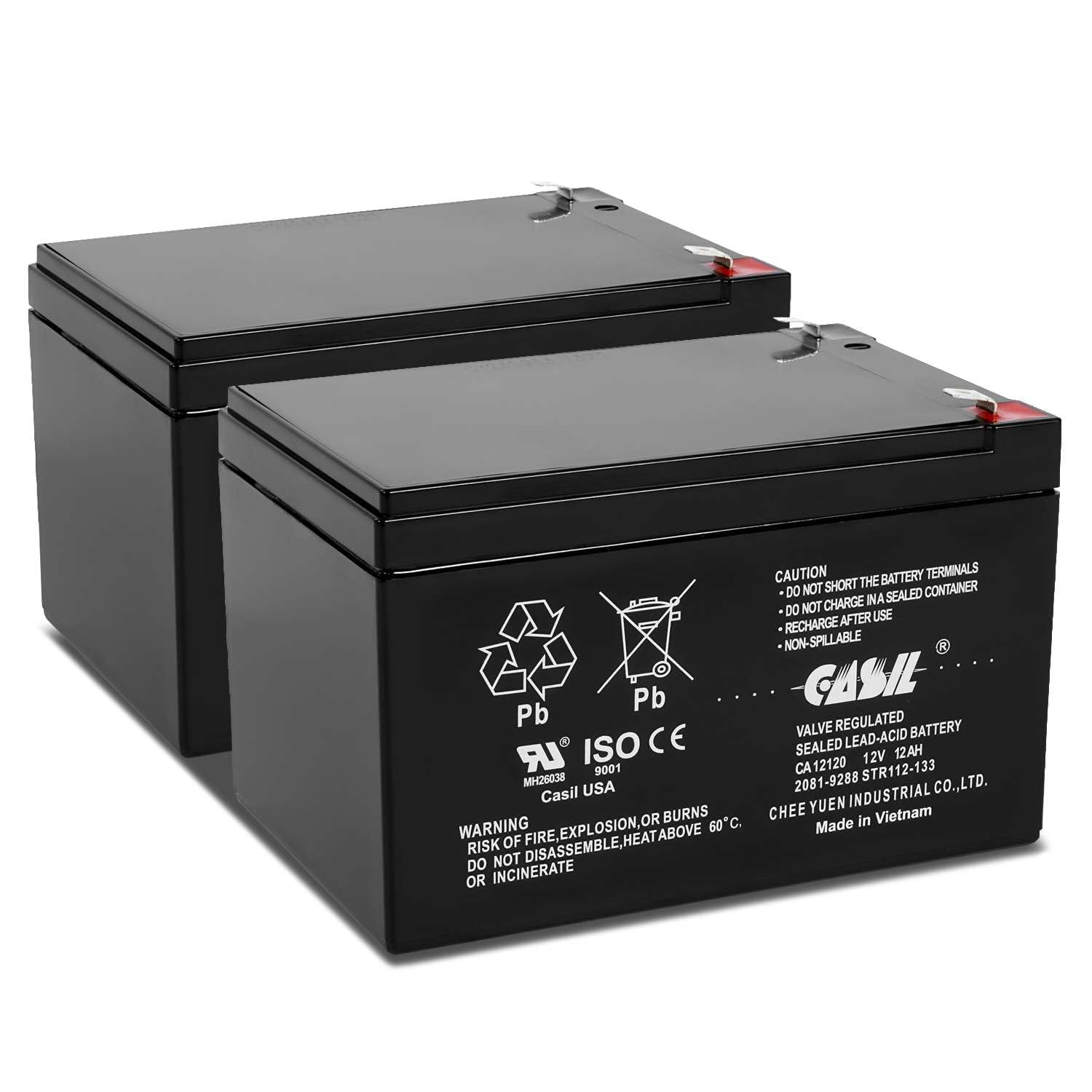
Most modern e‑scooters use sealed lead‑acid (SLA) or lithium‑ion cells, each with distinct chemical characteristics and safety considerations. SLA batteries, such as the Casil 12V 12Ah AGM Battery (2 Pack), are robust but can emit hydrogen gas if overcharged, while lithium‑ion packs store higher energy density and are more sensitive to temperature extremes. Understanding the voltage, capacity (Ah), and discharge curves of a battery is fundamental to preventing over‑charging, deep discharge, and short circuits. Regulatory agencies recommend using chargers that match the battery’s specifications and incorporating fire‑resistant storage solutions.
Safe Charging Practices
Charging a battery is the most common moment when a fire can start, therefore it requires strict adherence to manufacturer guidelines. Use a charger that automatically terminates the charge once the battery reaches full voltage; the NOCO GENIUS1 Smart Battery Charger provides this functionality for both 6 V and 12 V batteries, supporting AGM, gel, SLA, and lithium‑ion chemistries. The charger’s integrated thermal sensor adjusts the charge rate based on ambient temperature, preventing overheating in hot climates and under‑charging in cold environments. Always charge on a non‑combustible surface, keep the area well‑ventilated, and disconnect the charger once the battery indicates a full charge.
Additional charging safeguards include:
- Never use a charger with a higher amperage rating than the battery’s recommended charge rate.
- Inspect charger cables for frayed insulation before each use.
- Avoid charging near flammable materials such as paper, curtains, or gasoline.
- Use a dedicated outlet with a surge protector to guard against voltage spikes.
Proper Storage Techniques
When an e‑scooter is not in use for extended periods, storing the battery correctly can prevent degradation and reduce fire risk. Store SLA batteries in a cool, dry environment with temperatures between 10 °C and 25 °C; extreme heat accelerates chemical reactions that can lead to gas buildup. For lithium‑ion packs, maintain a charge level of approximately 40 % to 60 % and store them in a temperature‑controlled area away from direct sunlight. Place batteries on a fire‑resistant mat or inside a metal container equipped with a battery‑grade vent to safely release any gases.
Key storage guidelines:
- Check the battery voltage monthly; recharge to the recommended level if it drops below 10.8 V for a 12 V SLA.
- Separate multiple batteries to avoid accidental short circuits.
- Label the storage container with the battery’s capacity and date of last charge.
- Keep a Class ABC fire extinguisher nearby for quick response.
Routine Maintenance and Inspection
Regular maintenance extends battery life and identifies potential safety issues before they become critical. For sealed AGM batteries like the Casil 12V 12Ah model, visual inspection for swelling, corrosion on terminals, or electrolyte leakage is essential even though the design is maintenance‑free. Clean terminals with a dry cloth and apply a thin layer of dielectric grease to prevent oxidation. Use a multimeter to verify that the open‑circuit voltage remains within the manufacturer’s specified range.
Maintenance steps for lithium‑ion packs include:
- Balancing cells using a smart charger that supports cell‑balancing functions.
- Updating firmware on any built‑in battery management system (BMS) if applicable.
- Inspecting the BMS connectors for loose pins or corrosion.
- Replacing damaged or bulging cells immediately to avoid catastrophic failure.
Product Comparison and Selection Guide
Selecting the right battery and charger combination is crucial for safety and performance. The table below compares the two featured products based on specifications, safety features, and user feedback.
| Feature | Casil 12V 12Ah AGM Battery (2 Pack) | NOCO GENIUS1 Smart Battery Charger |
|---|---|---|
| Type | Sealed Lead‑Acid AGM | Smart multi‑voltage charger (6 V/12 V) |
| Capacity | 12 Ah per battery | 1 A charge current |
| Temperature Compensation | Not applicable | Integrated thermal sensor |
| Maintenance | Maintenance‑free | Automatic termination and maintenance mode |
| Safety Certifications | UL listed, spill‑proof design | UL listed, over‑charge protection, desulfation |
| Rating | 4.6/5 (215 reviews) | 4.4/5 (62,163 reviews) |
| Price | $59.99 | Price not listed (refer to Amazon) |
For users who primarily ride mobility scooters or small e‑scooters, the Casil AGM pack offers reliable power with a spill‑proof sealed design, making it suitable for all‑weather operation. Conversely, the NOCO GENIUS1 charger excels at preserving battery health, providing precise temperature‑adjusted charging, and includes a desulfation mode that can revive deeply discharged cells. When paired together, the charger ensures that the AGM batteries are charged safely, while the batteries supply consistent power for daily rides.
Best Practices & Tips
Beyond product usage, adopt these habits to create a fire‑safe environment for e‑scooter batteries:
- Never leave a charging battery unattended for more than two hours.
- Keep charging cables away from sharp edges that could nick insulation.
- Schedule a quarterly deep‑cycle test to assess capacity loss.
- Document the date of each charge and any anomalies observed.
- Educate household members about the signs of overheating, such as hissing sounds or unusual odors.
Implementing these practices reduces the likelihood of thermal runaway and extends the usable life of both SLA and lithium‑ion batteries.
Frequently Asked Questions
- Can I use a standard household charger for my e‑scooter battery? Only if the charger matches the battery’s voltage and amperage specifications; otherwise, it may overcharge or undercharge, leading to fire risk.
- How often should I replace an AGM battery? Typical lifespan is 2‑3 years under normal use; replace when capacity drops below 70 % of the original rating.
- Is it safe to charge a lithium‑ion battery in a garage? Yes, provided the garage remains below 30 °C, is well‑ventilated, and the charger includes temperature compensation like the NOCO GENIUS1.
- What does “desulfation” mean? Desulfation is a process that breaks down lead sulfate crystals on the battery plates, restoring capacity in lead‑acid batteries.
- Can I store my battery fully charged for long periods? For SLA batteries, a full charge can cause water loss; for lithium‑ion, storing at 100 % can accelerate degradation. Aim for 40‑60 % charge for long‑term storage.
- Do I need a fire extinguisher for battery charging? A Class ABC extinguisher is recommended; it can safely suppress fires involving electrical equipment and batteries.
Conclusion
Preventing e‑scooter battery fires requires a combination of informed charging, proper storage, regular maintenance, and the use of reliable safety‑focused accessories. By following the guidelines outlined in this guide, owners can enjoy the convenience of electric mobility while minimizing risk to themselves and their property. The featured Casil AGM batteries and NOCO GENIUS1 charger exemplify products that meet high safety standards and complement each other in a comprehensive safety strategy. Consistent vigilance and adherence to best practices will ensure that e‑scooter batteries remain a dependable and safe power source for years to come.
Products Featured in This Guide
Casil 12V 12Ah AGM Battery (2 Pack)
Price: $59.99
Rating: 4.6/5 (215 reviews)
Featured because it provides a reliable, spill‑proof power source for mobility scooters and can be safely paired with a smart charger.
NOCO GENIUS1 Smart Battery Charger
Rating: 4.4/5 (62,163 reviews)
Featured because it offers automatic termination, temperature compensation, and desulfation, making it ideal for safely maintaining both SLA and lithium‑ion batteries.
